

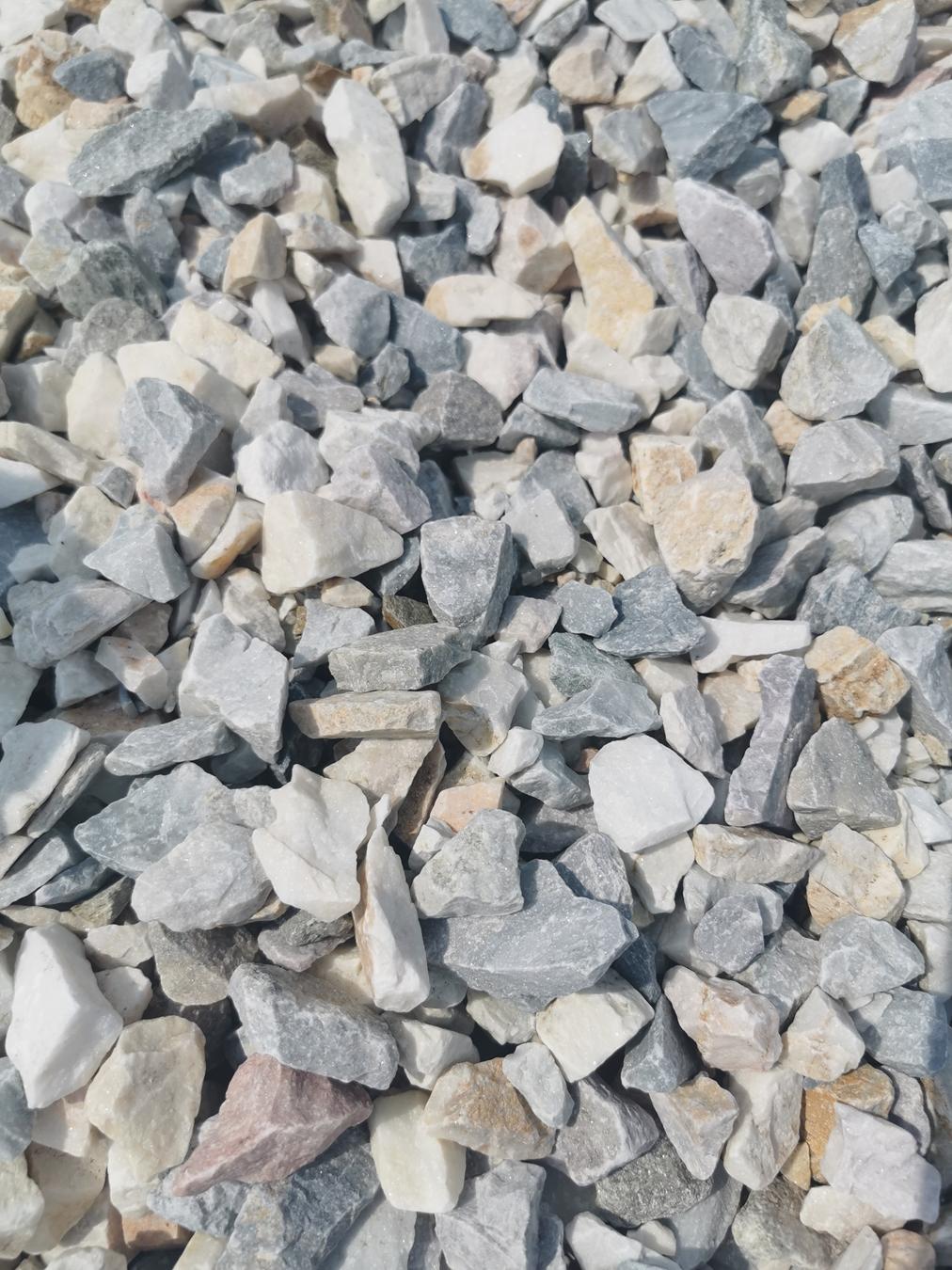
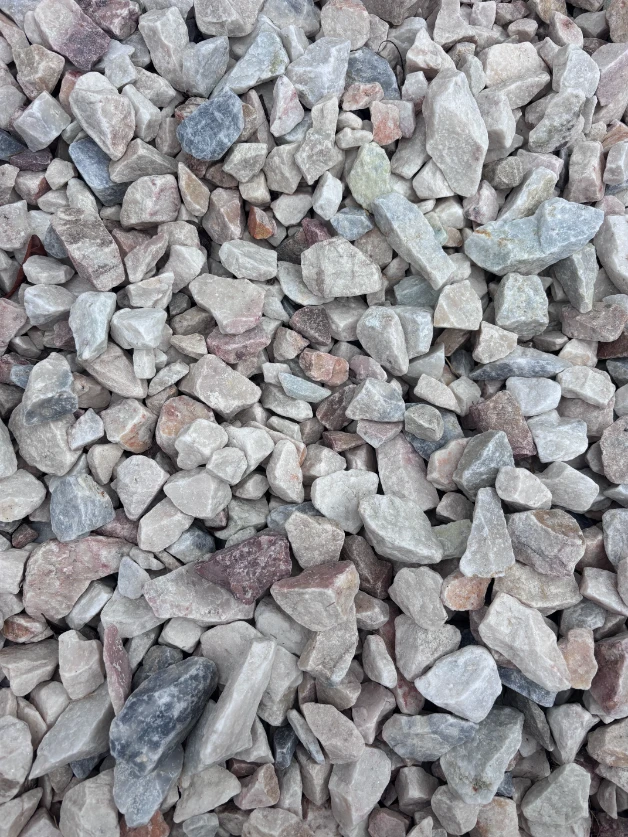
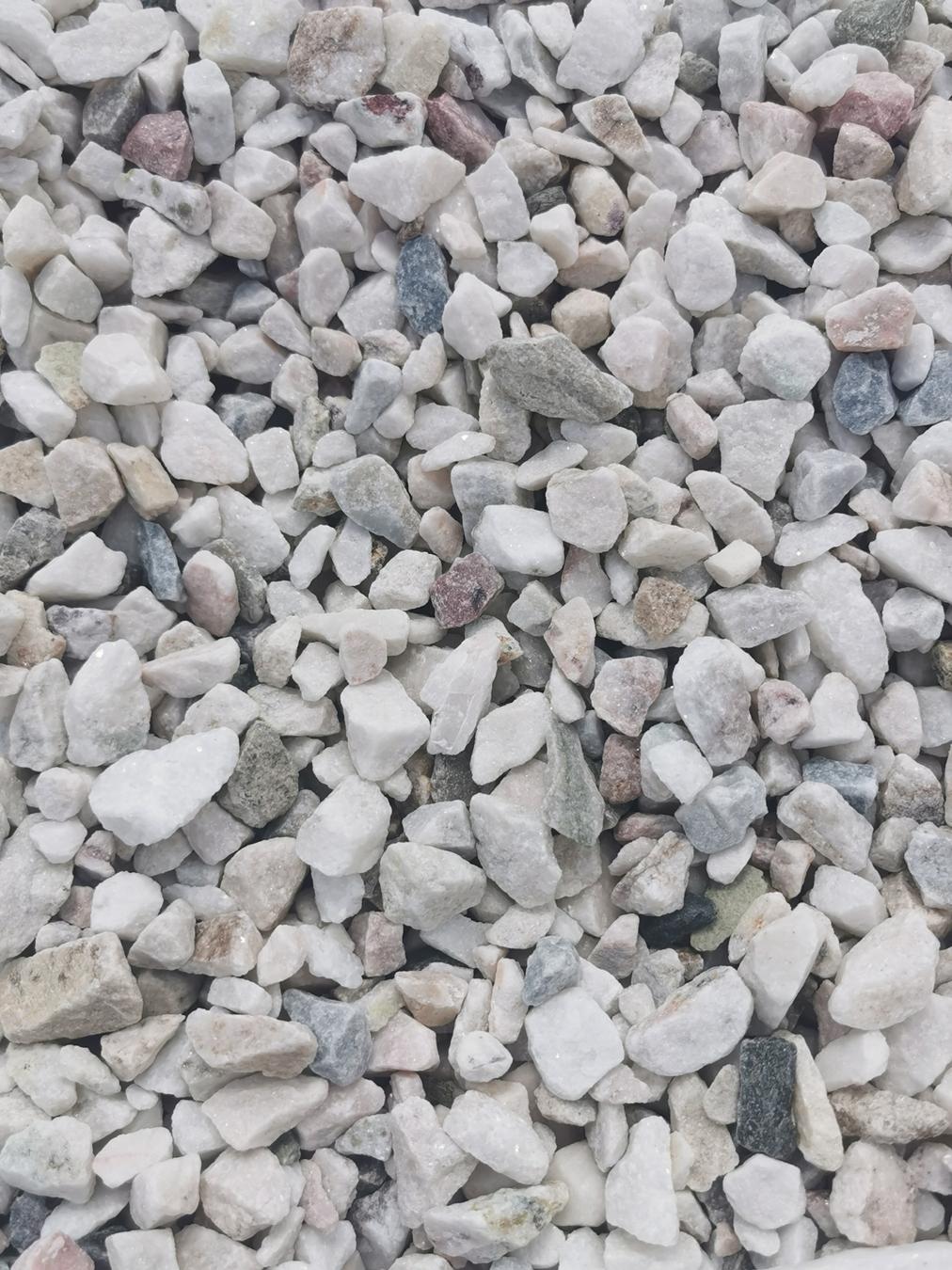
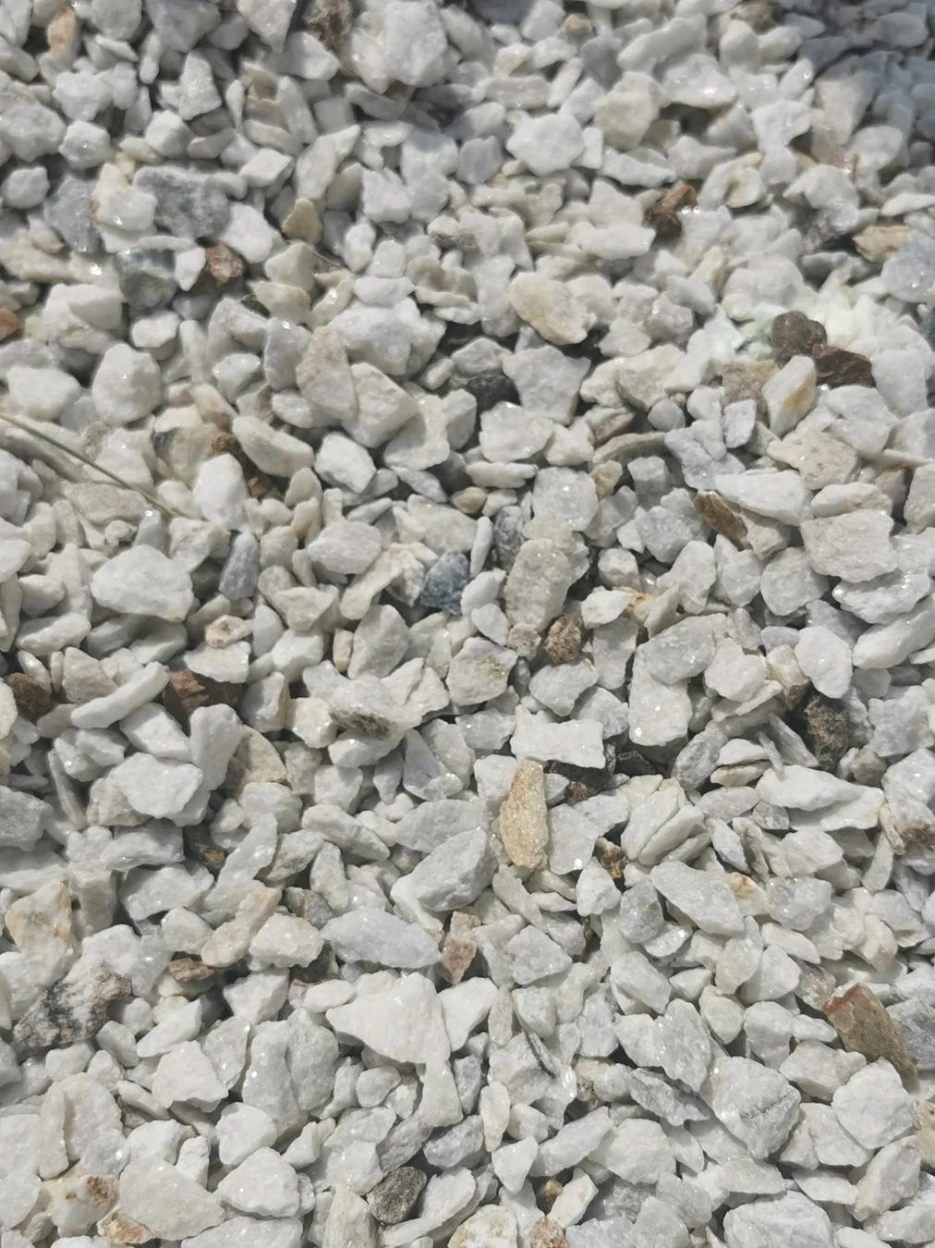



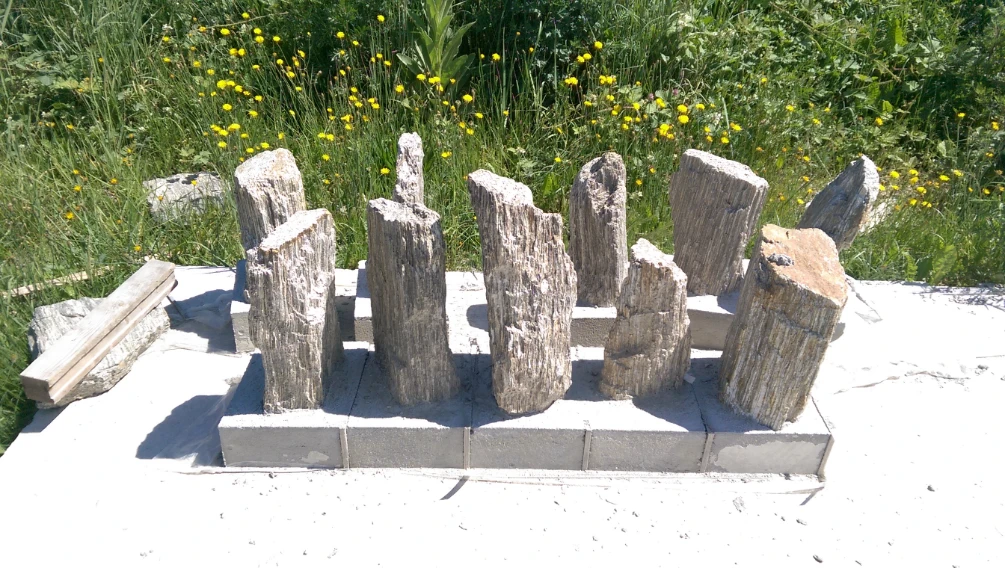
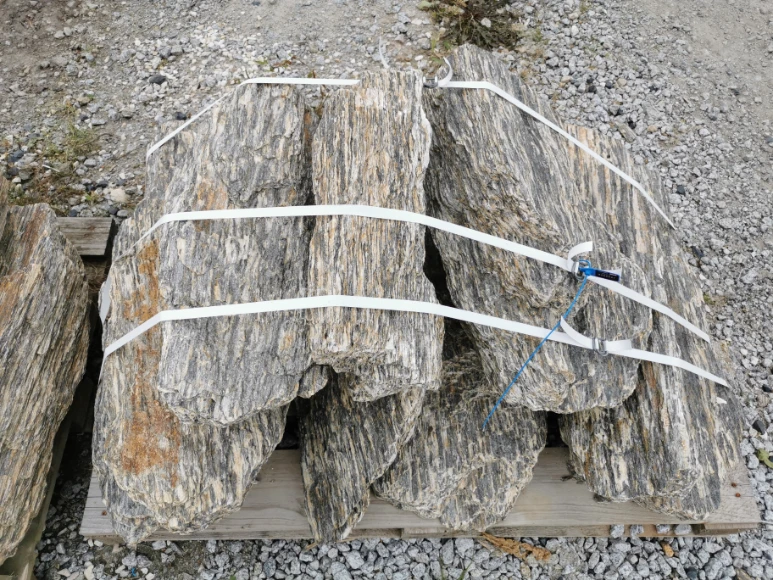
Gneiss spikes
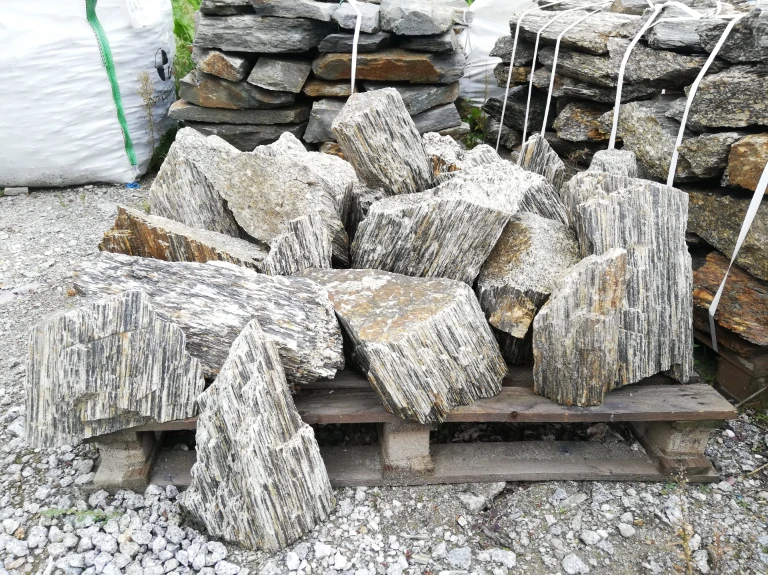
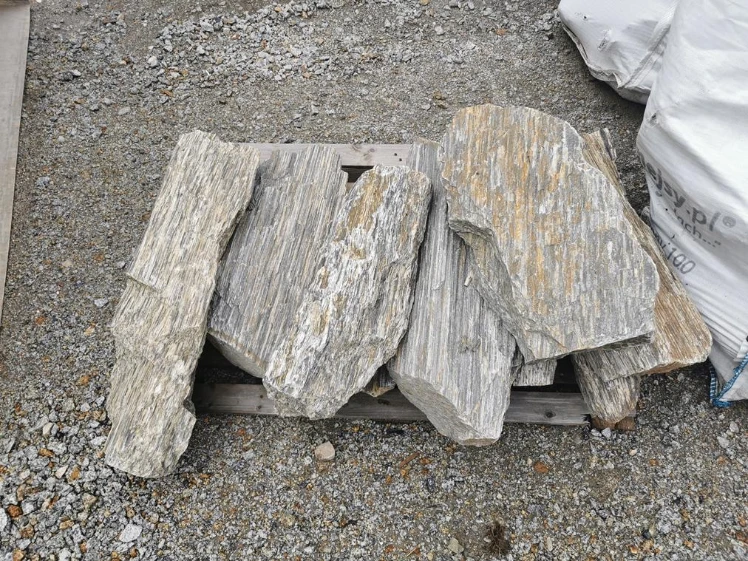
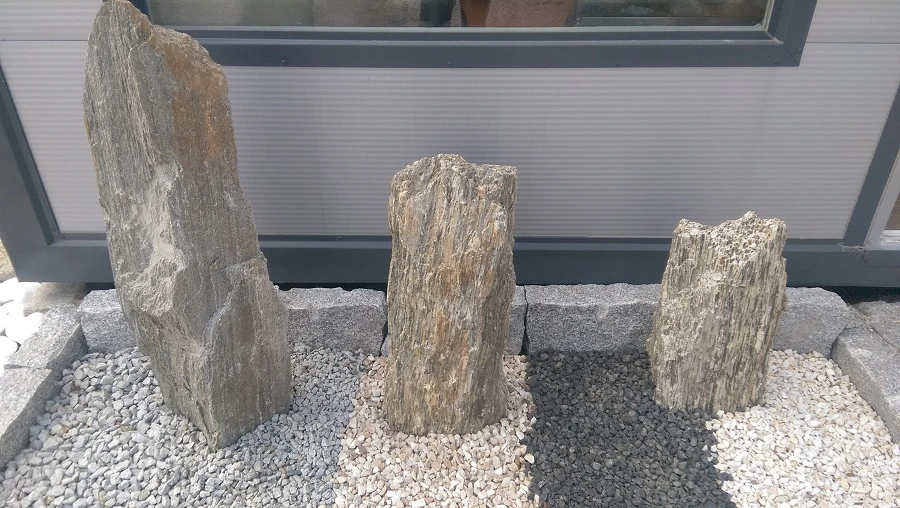
Sometimes called gneiss spikes, gneiss needles or gneiss spike monoliths, they are slender, vertical decorative elements made from natural gneiss – a metamorphic rock with a characteristic layered (banded) structure. These are specially split and shaped pieces of stone with a tall, needle-like form, which is why they are commonly referred to as “spikes”.

A comprehensive range

Tried-and-tested mines and material selection

Time-sensitive logistics
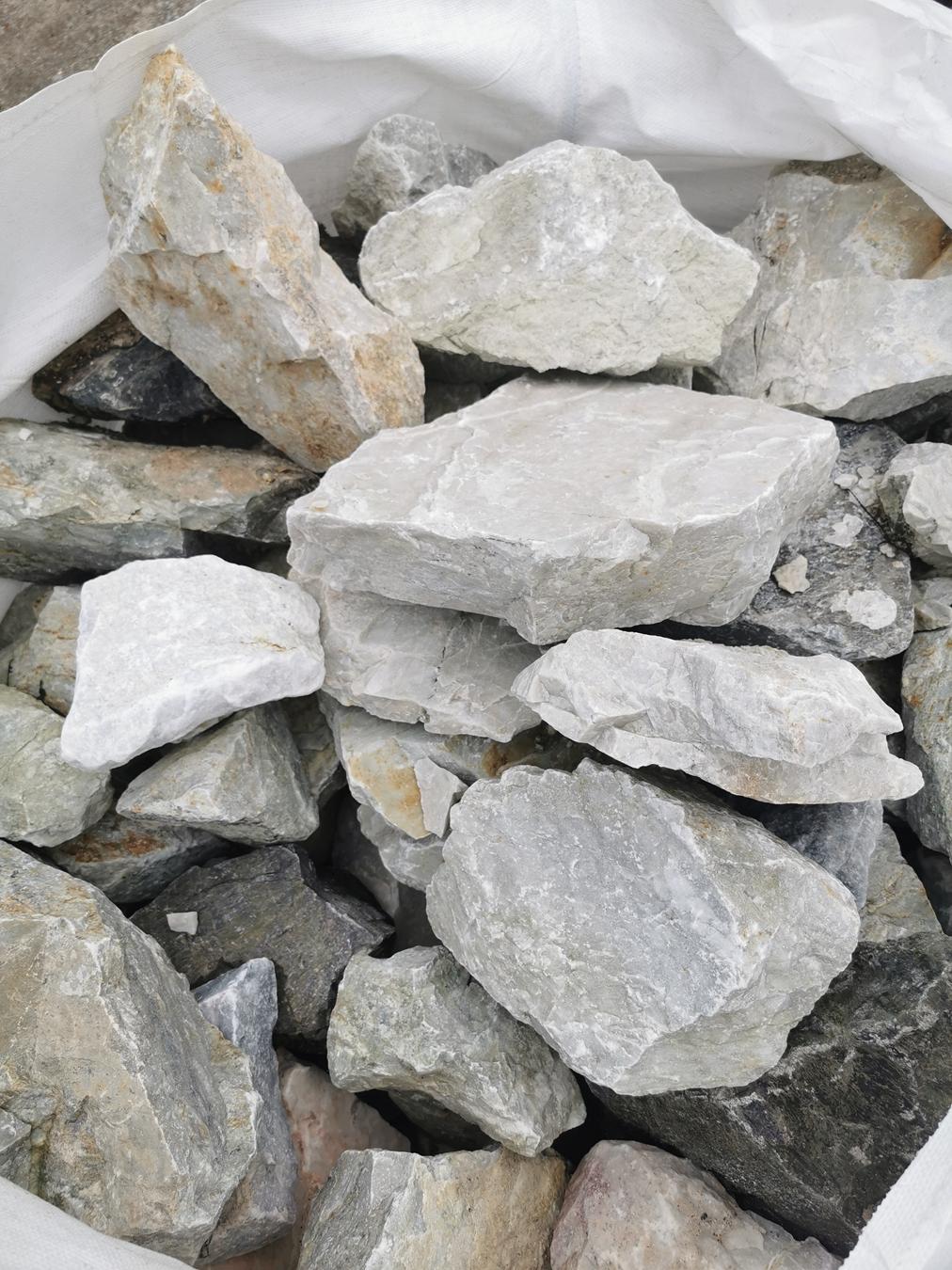
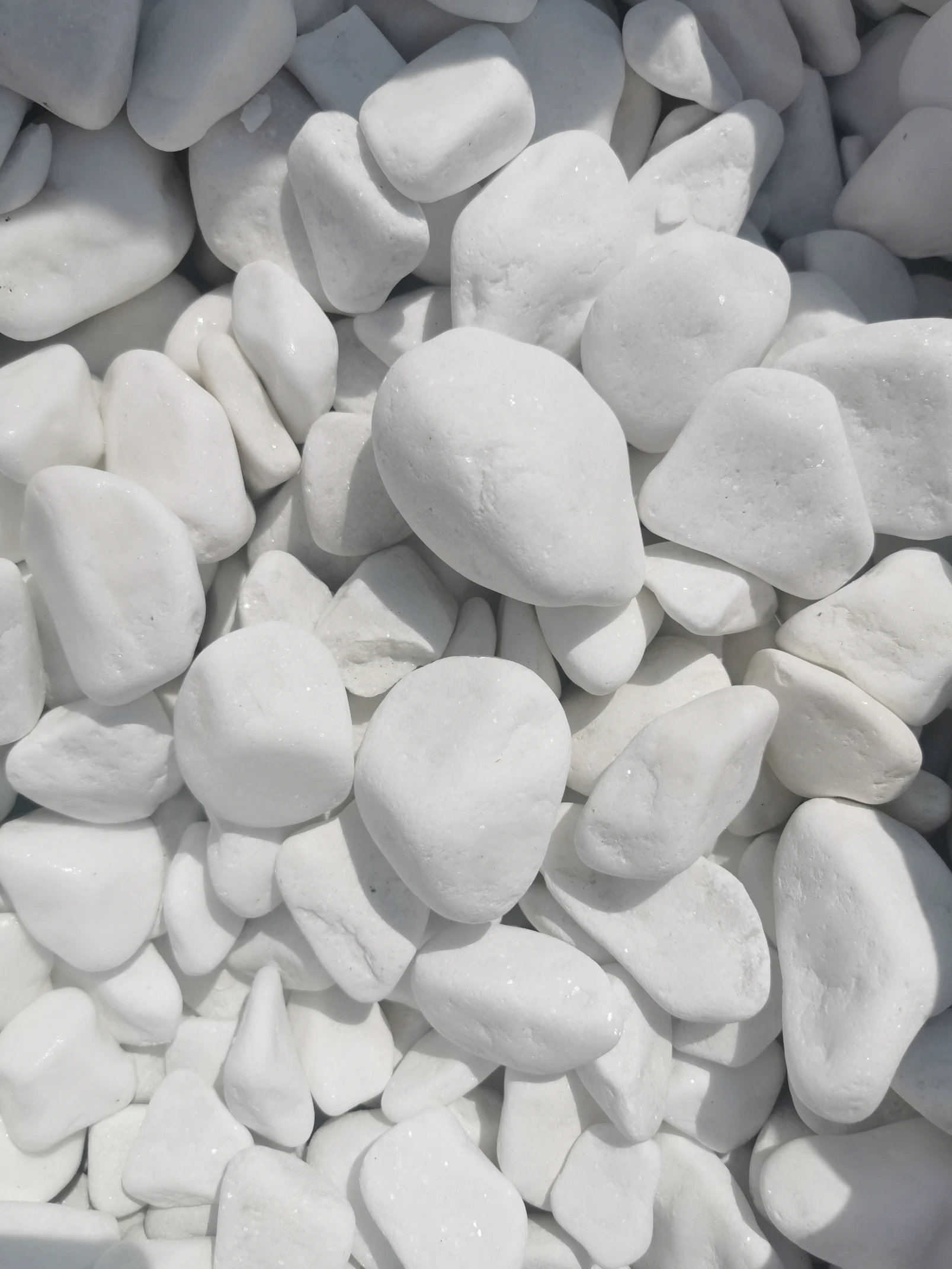
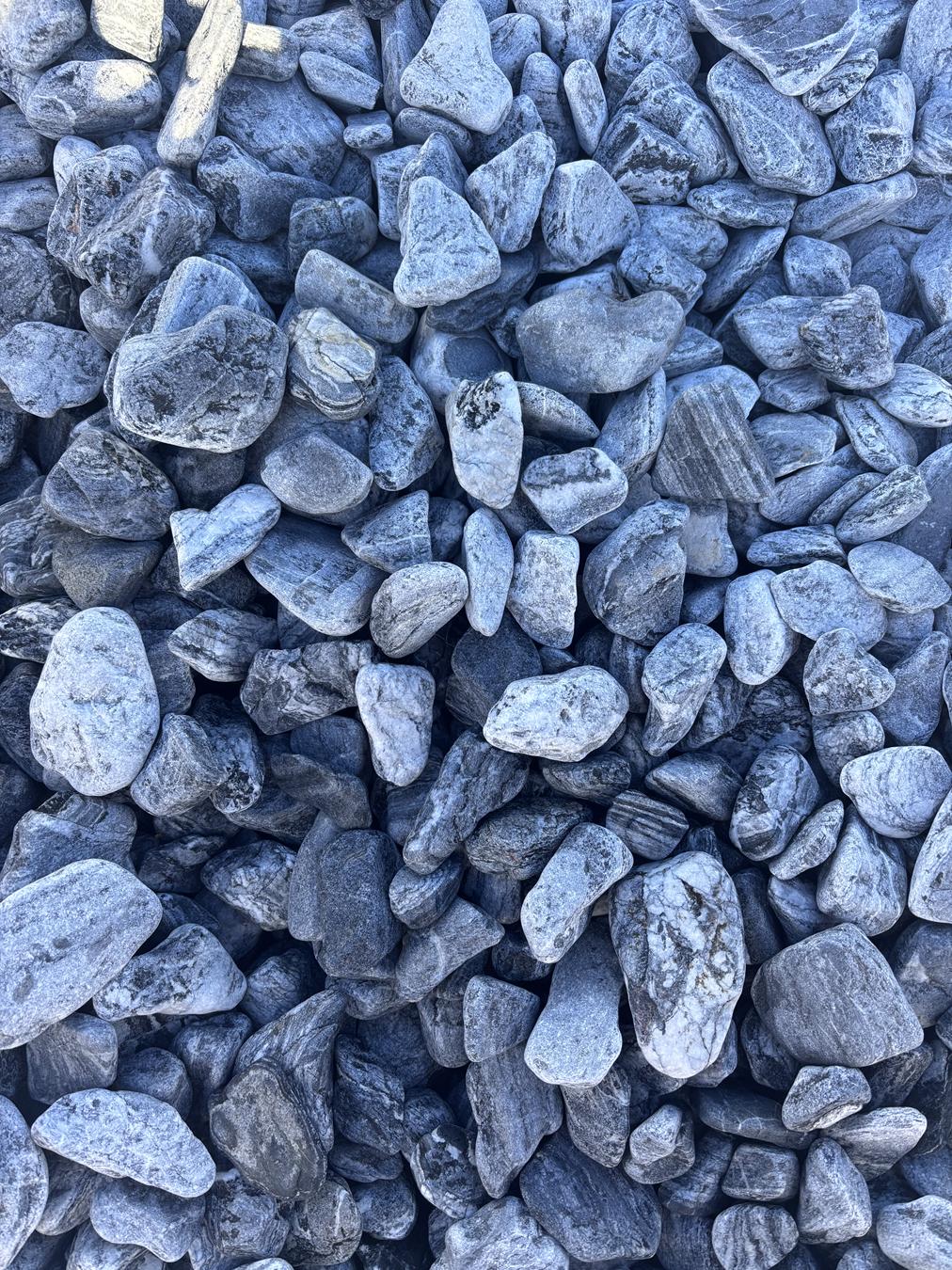
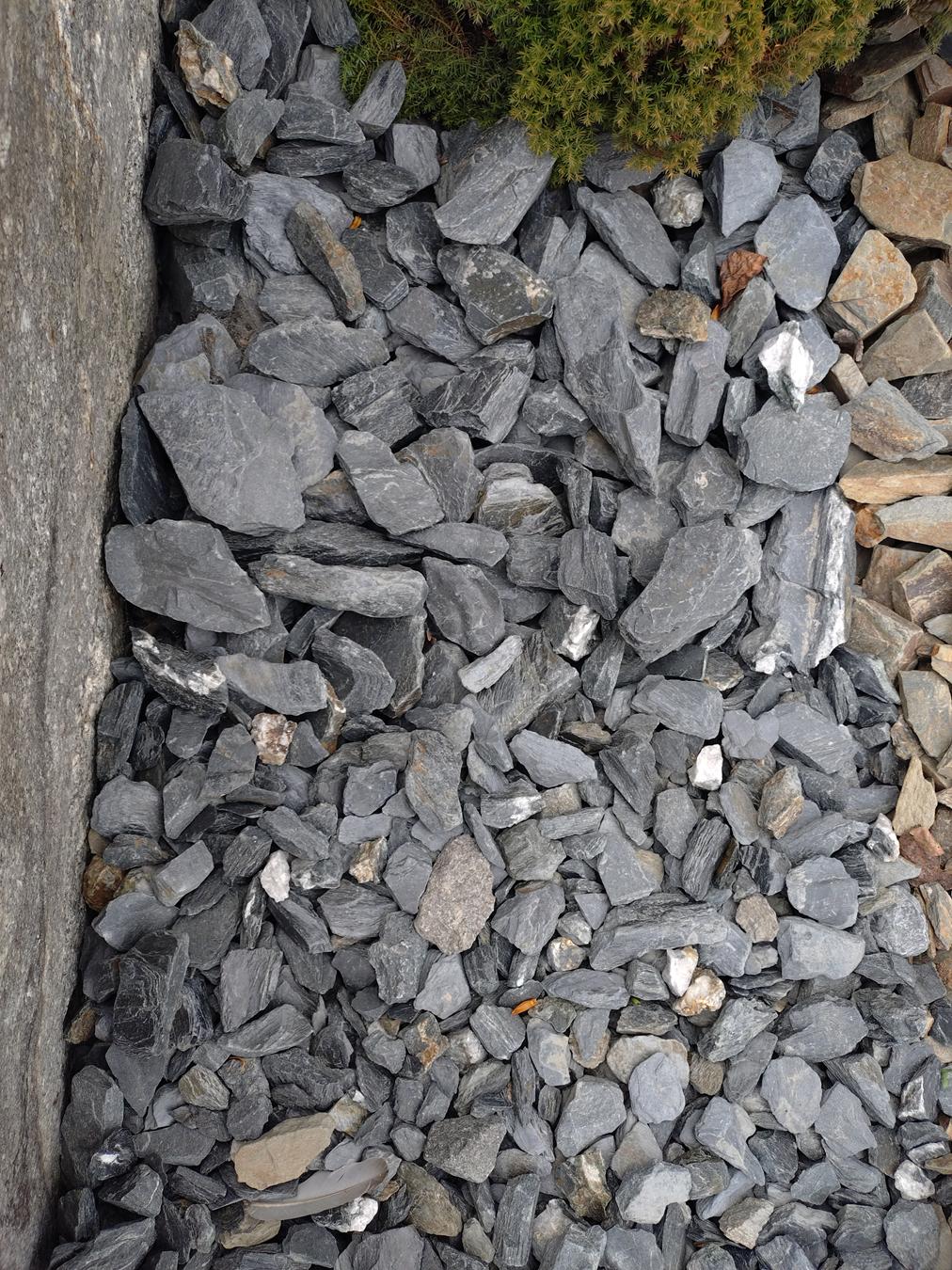
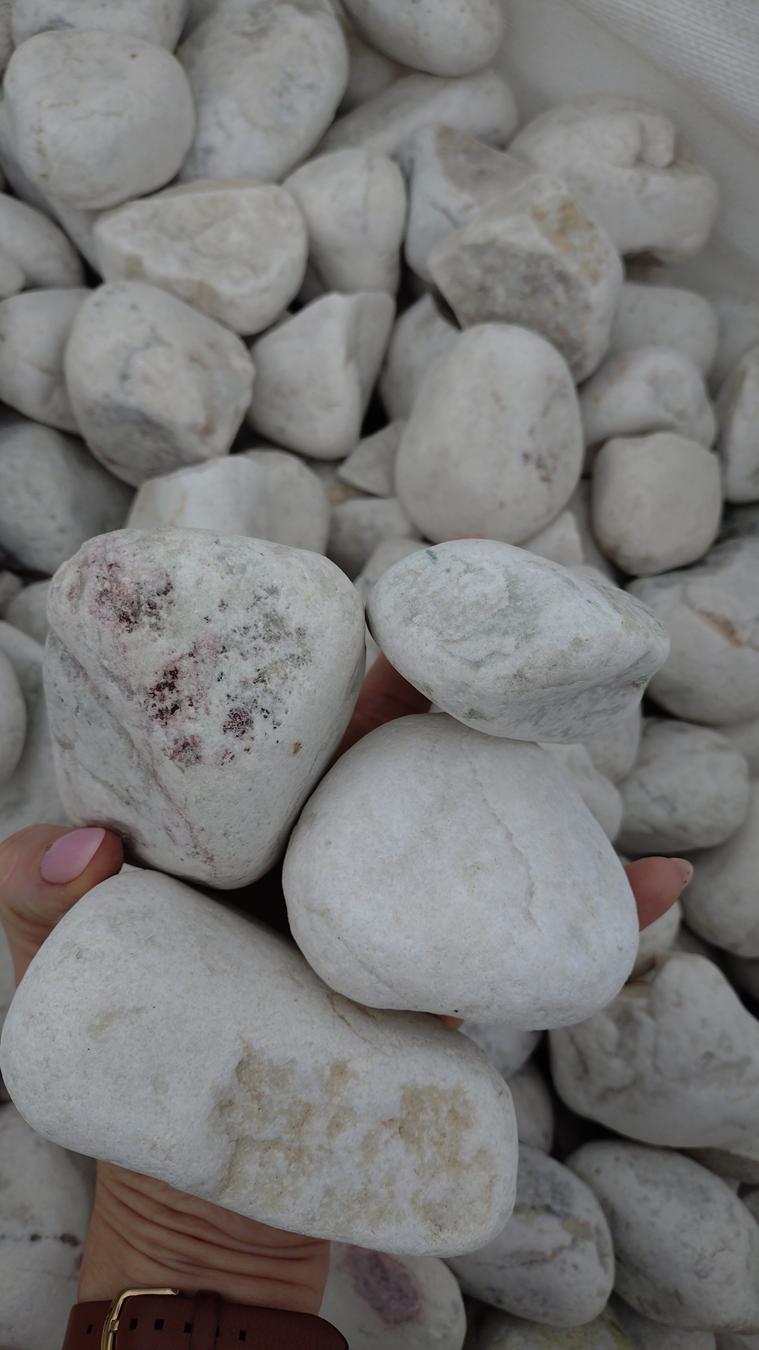
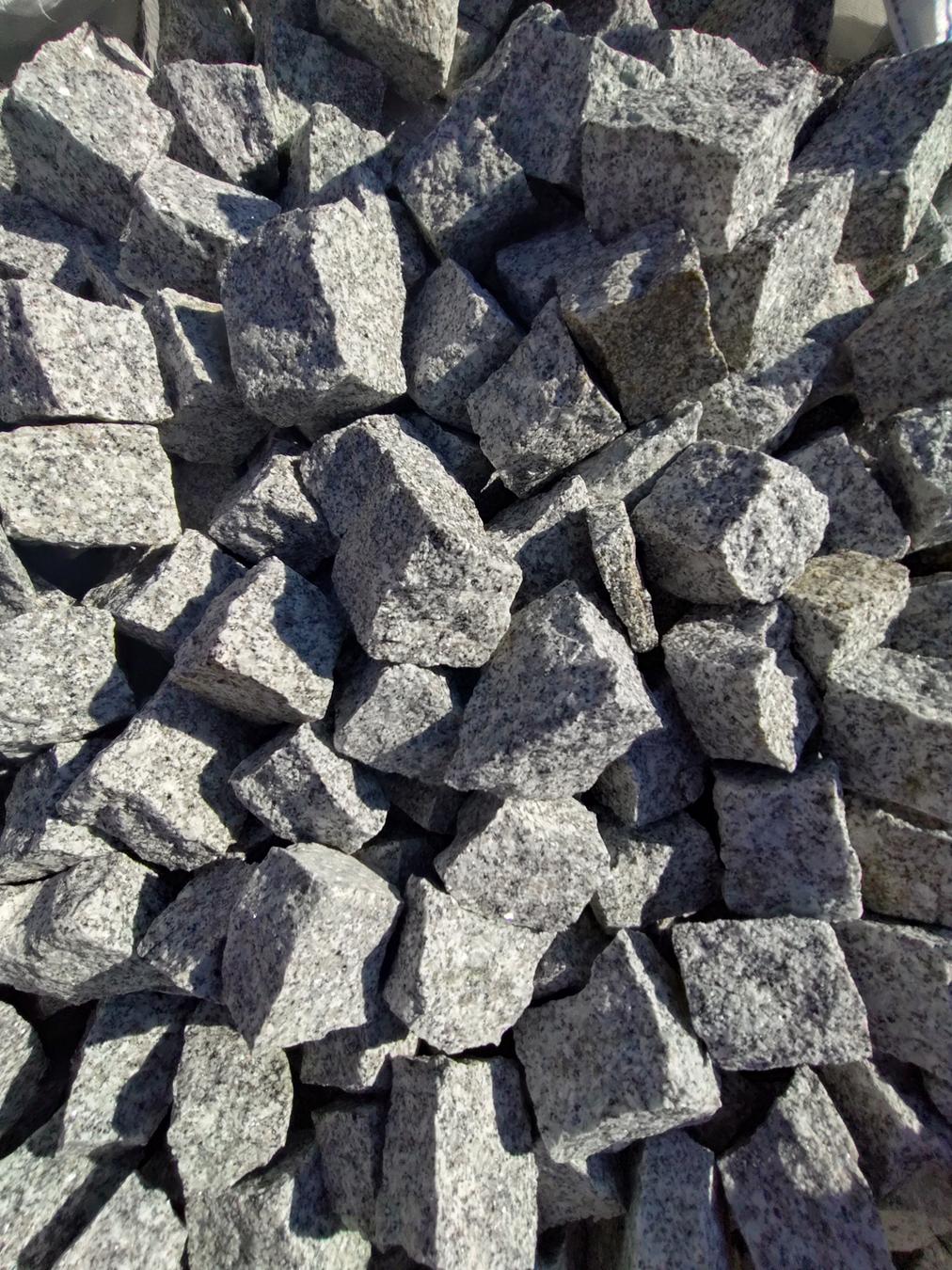
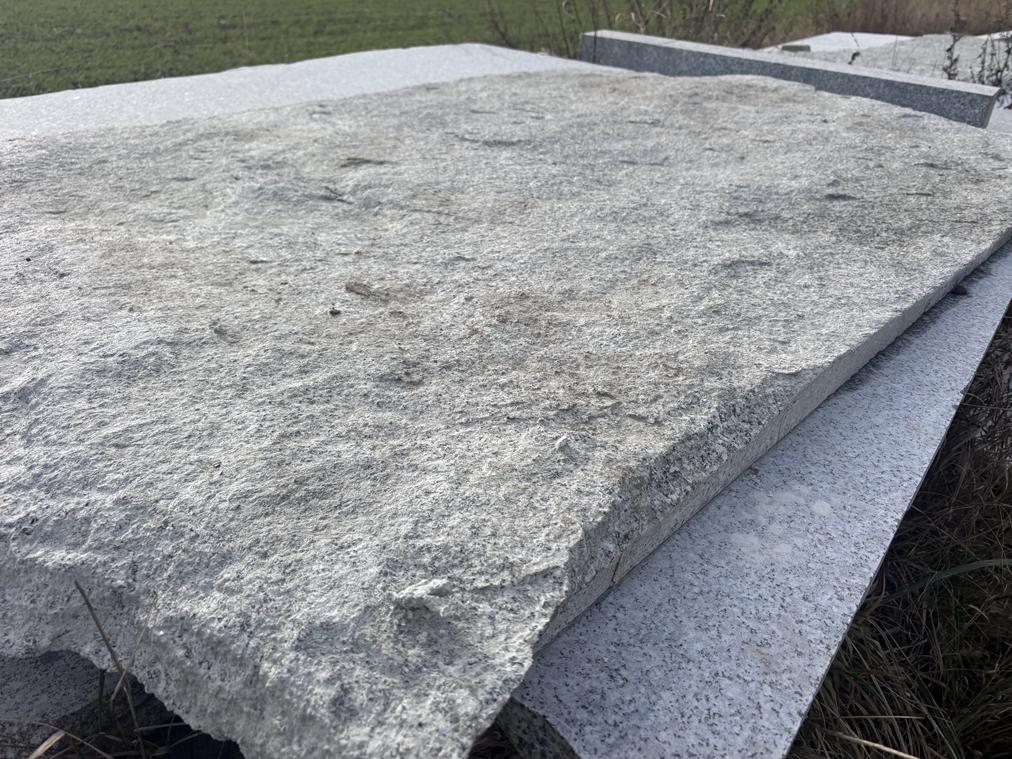
- Up to 4 types of gravel
- Delivered straight to a parcel locker
- See how this stone looks
- The cost of the samples is 50 zł, including postage
- Please place your order by email
Gneiss Spikes – 700 PLN/ton (on pallet)
Price per piece – 1.40 PLN / kg
Sometimes called gneiss spikes, gneiss needles, or gneiss spike monoliths, these are slender, vertical decorative elements made from natural gneiss – a metamorphic rock with a characteristic layered (banded) structure. They are specially split and shaped pieces of stone with a tall, needle-like form, which is why they are commonly referred to as “spikes”.
Most popular sizes and typical applications
| Height (cm) | Typical use |
|---|---|
| 50–90 cm | Most commonly purchased – solitaires, groups of 3–5 pieces, integrated into flower beds among ornamental grasses and shrubs |
| 90–120 cm | Larger accents, lawn solitaires, entrance areas, water features, natural stone sculptures |
Gneiss spikes are one of the most striking and timeless decorative elements for gardens. They introduce height, structure, and a natural character – perfect among ornamental grasses, perennials, conifers, and heathers in modern, rustic, Japanese, or Scandinavian garden designs. When illuminated with LED lighting at night, they create an impressive visual effect. It is a long-term investment. Most often selected in sizes of 60–100 cm in groups or as standalone solitaires, they add a strong and natural focal point to any garden.
Key properties of gneiss spikes
- Rock type — metamorphic gneiss (mainly quartz + feldspar + mica + other minerals), strongly layered / banded
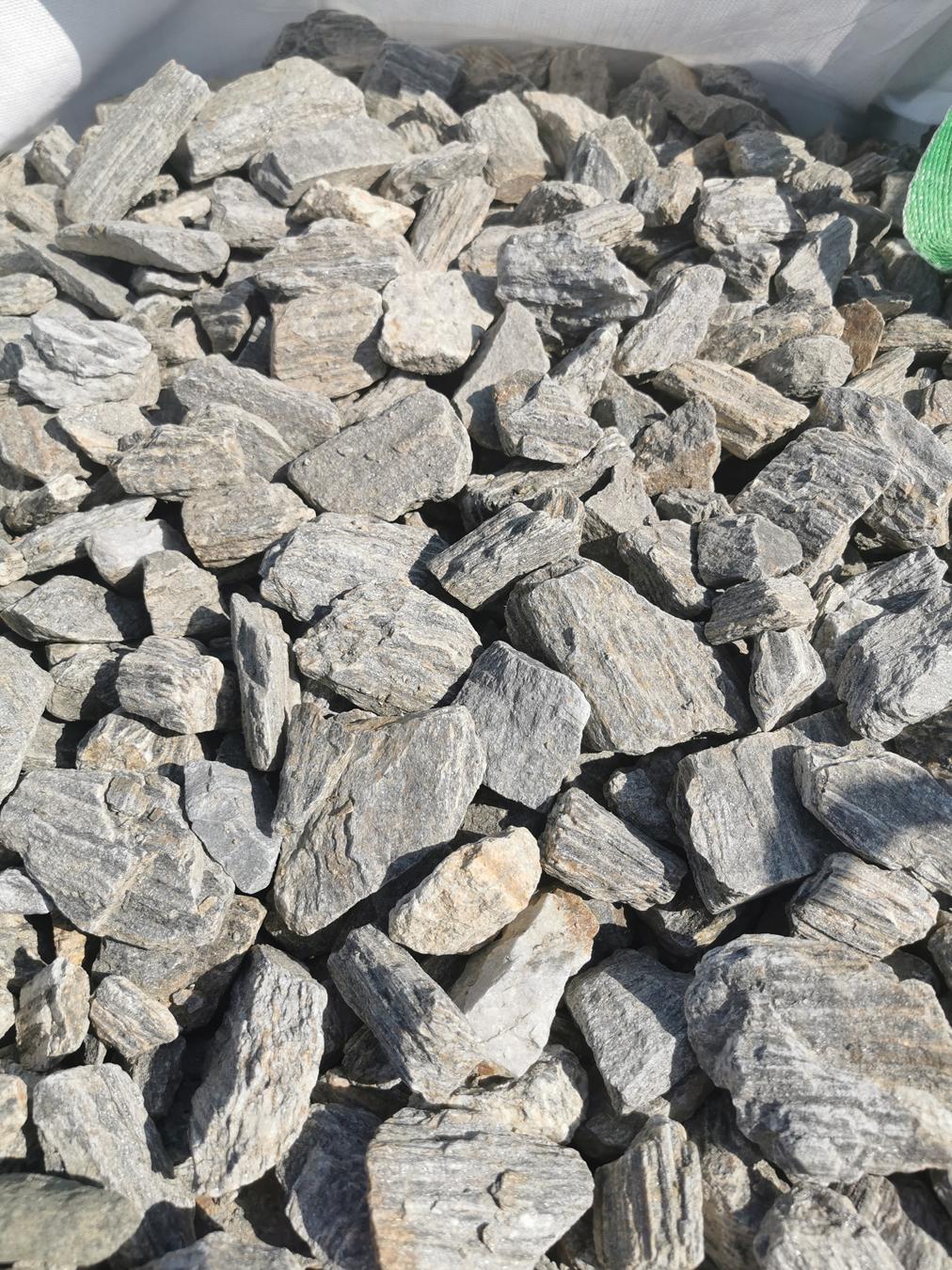
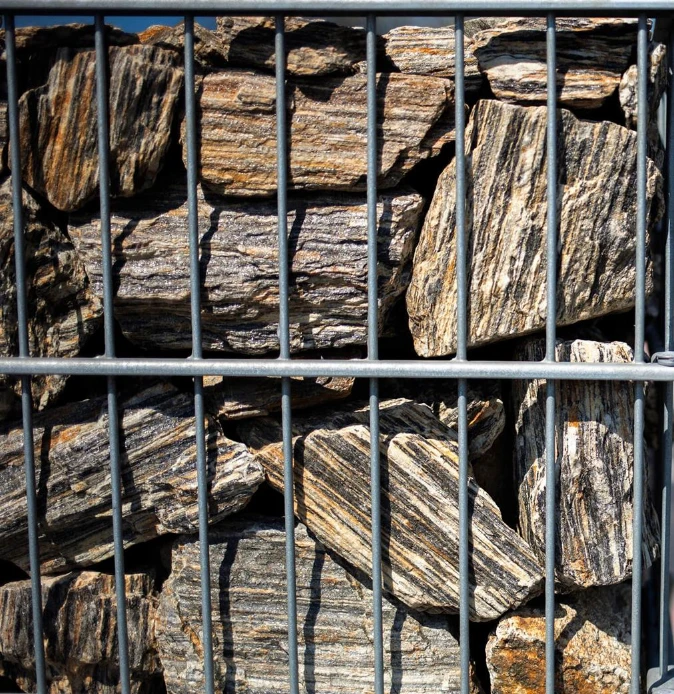
- Color — predominantly grey-brown, grey-golden, beige-brown, and cream-grey tones with distinct bands or streaks; often shimmering due to small mica flakes (gold, silver, or pearlescent reflections in sunlight)
- Shape — slender, vertical, elongated (spike or needle-like); typically 40–120 cm in height
- Hardness — high (approx. 6–7 on the Mohs scale), very resistant to mechanical damage and abrasion
- Frost resistance — full (F1–F2), excellent in Polish climate conditions – does not crack, flake, or change color
- Water absorption — low (<1–2%) → does not absorb much water, resists staining and moss growth
- Weather resistance — extremely high: resistant to UV, frost, rain, and environmental degradation; color and structure remain stable for decades
- Aesthetics — natural and rustic with elegance; the banded texture and mica reflections create a “living stone” effect, adding height, structure, and dynamics to garden spaces
- Practical advantages — stabilizes soil, helps retain moisture (reduces evaporation), suppresses weeds around plants; heavy and stable → usually does not require anchoring unless very tall
- Natural, eco-friendly material without artificial pigments
