

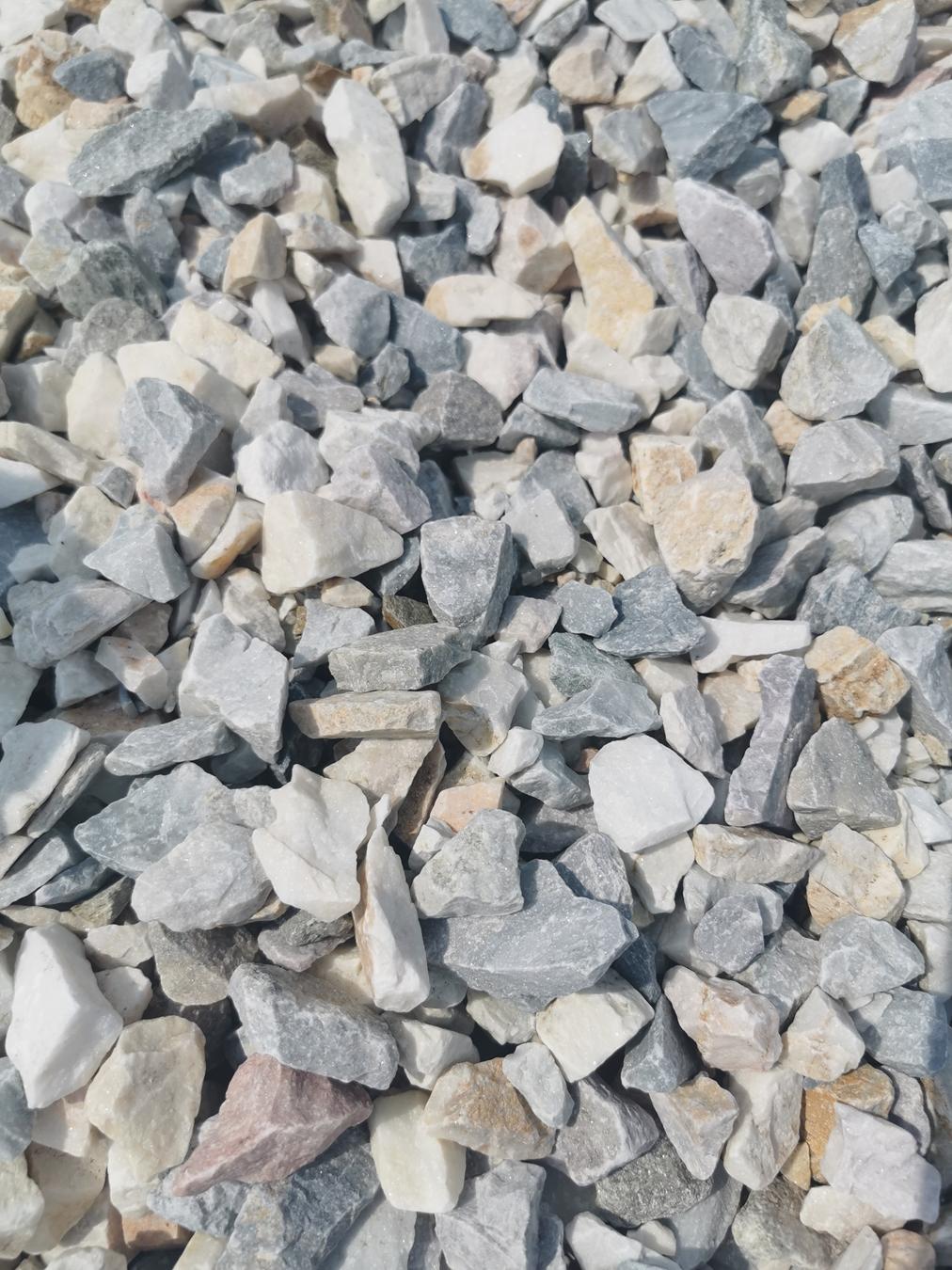
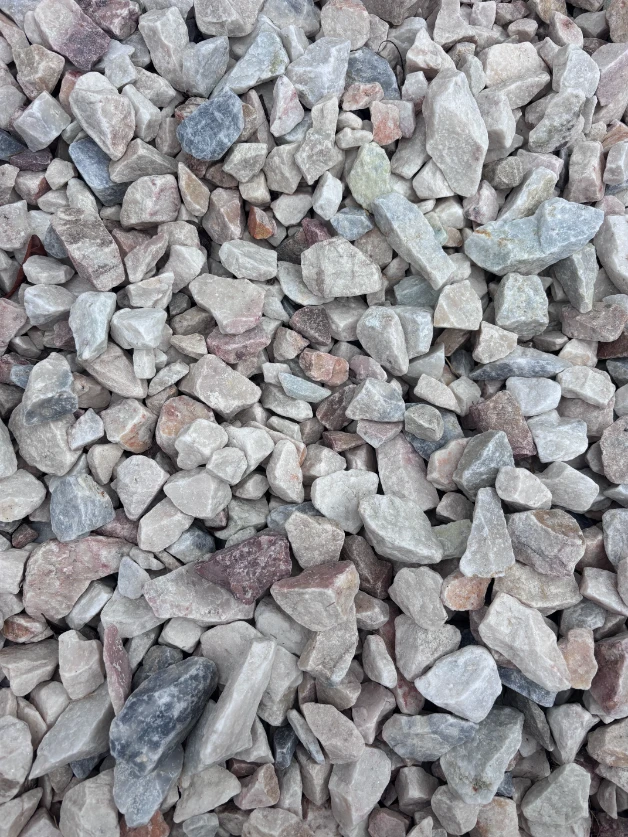
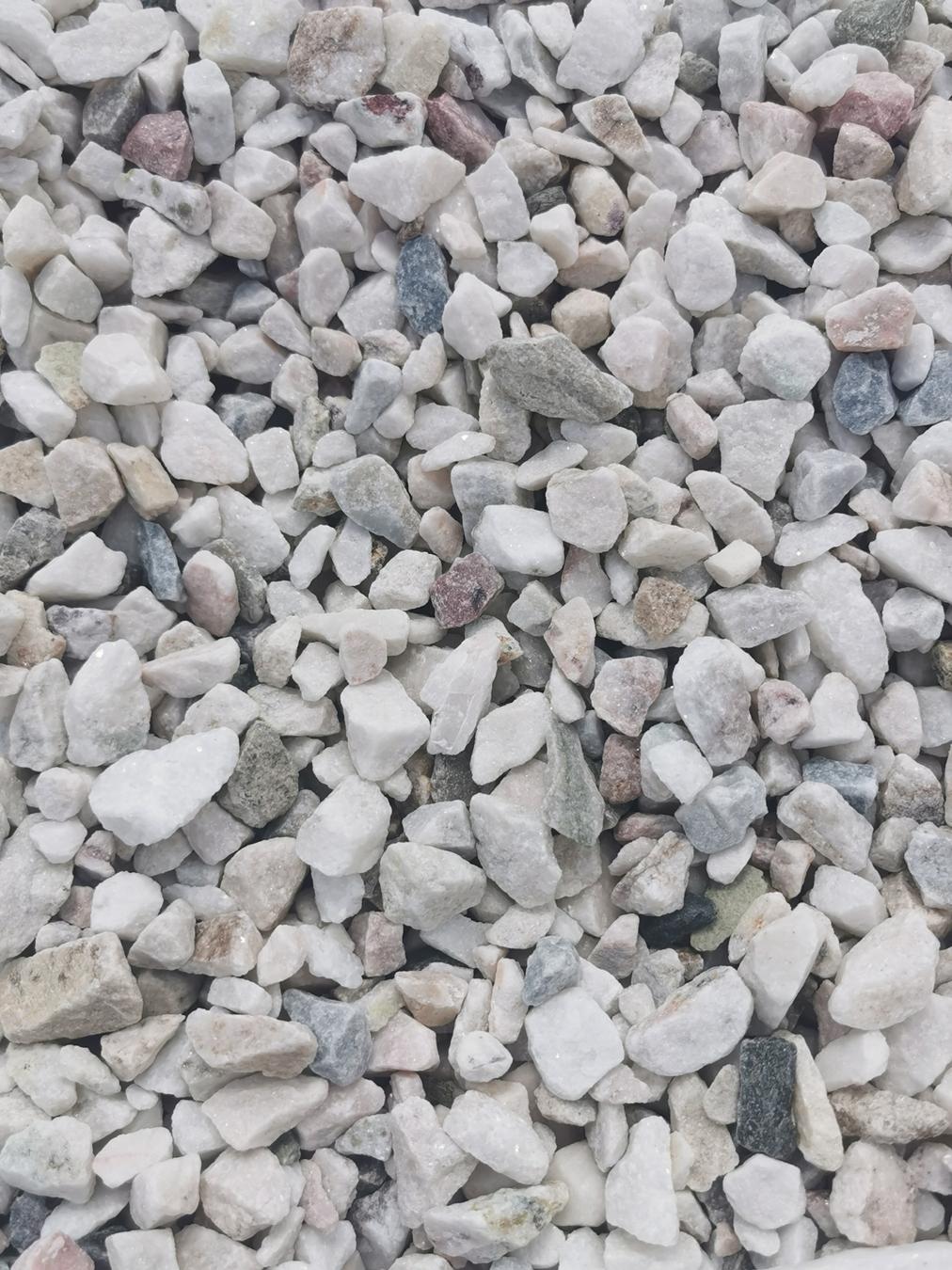
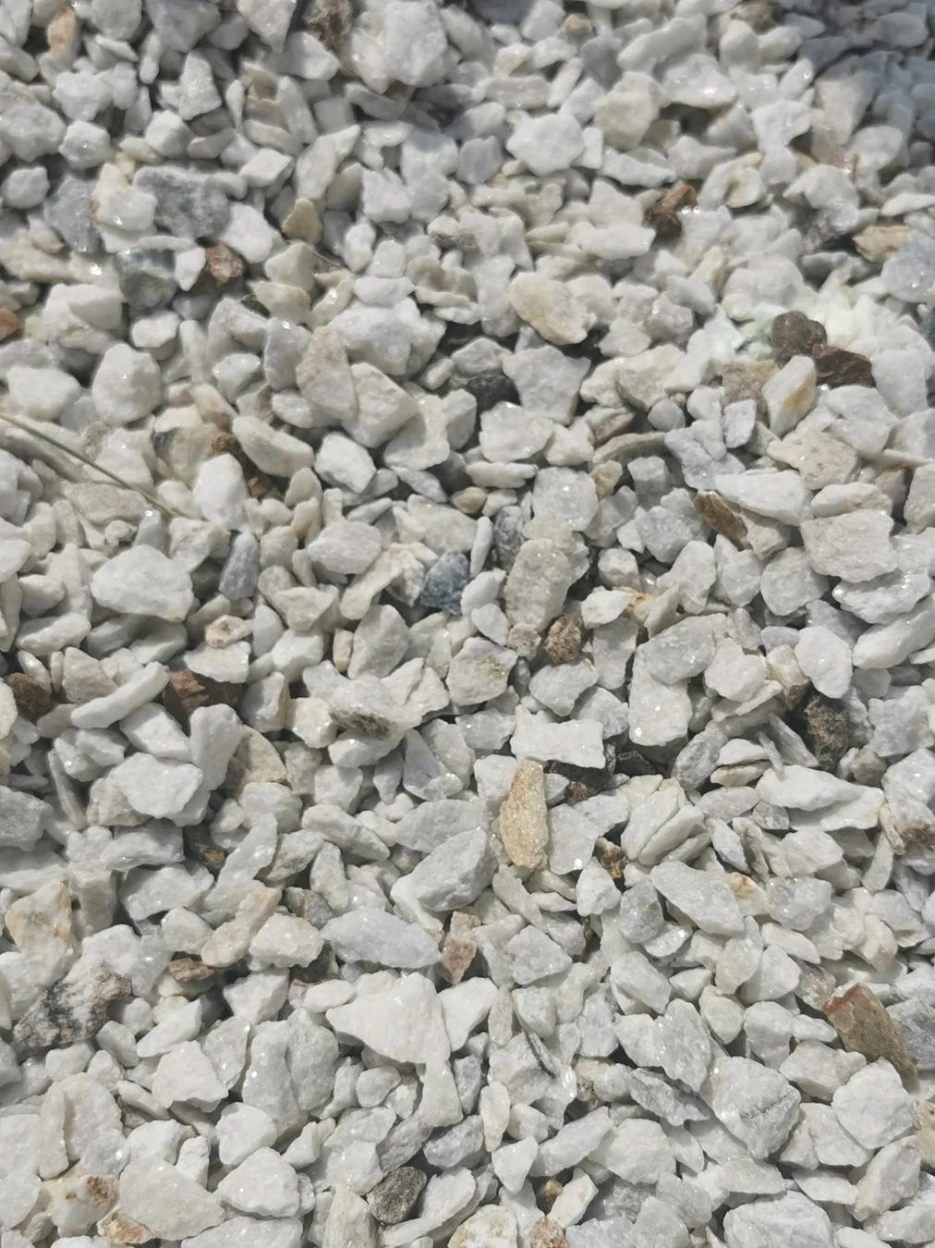
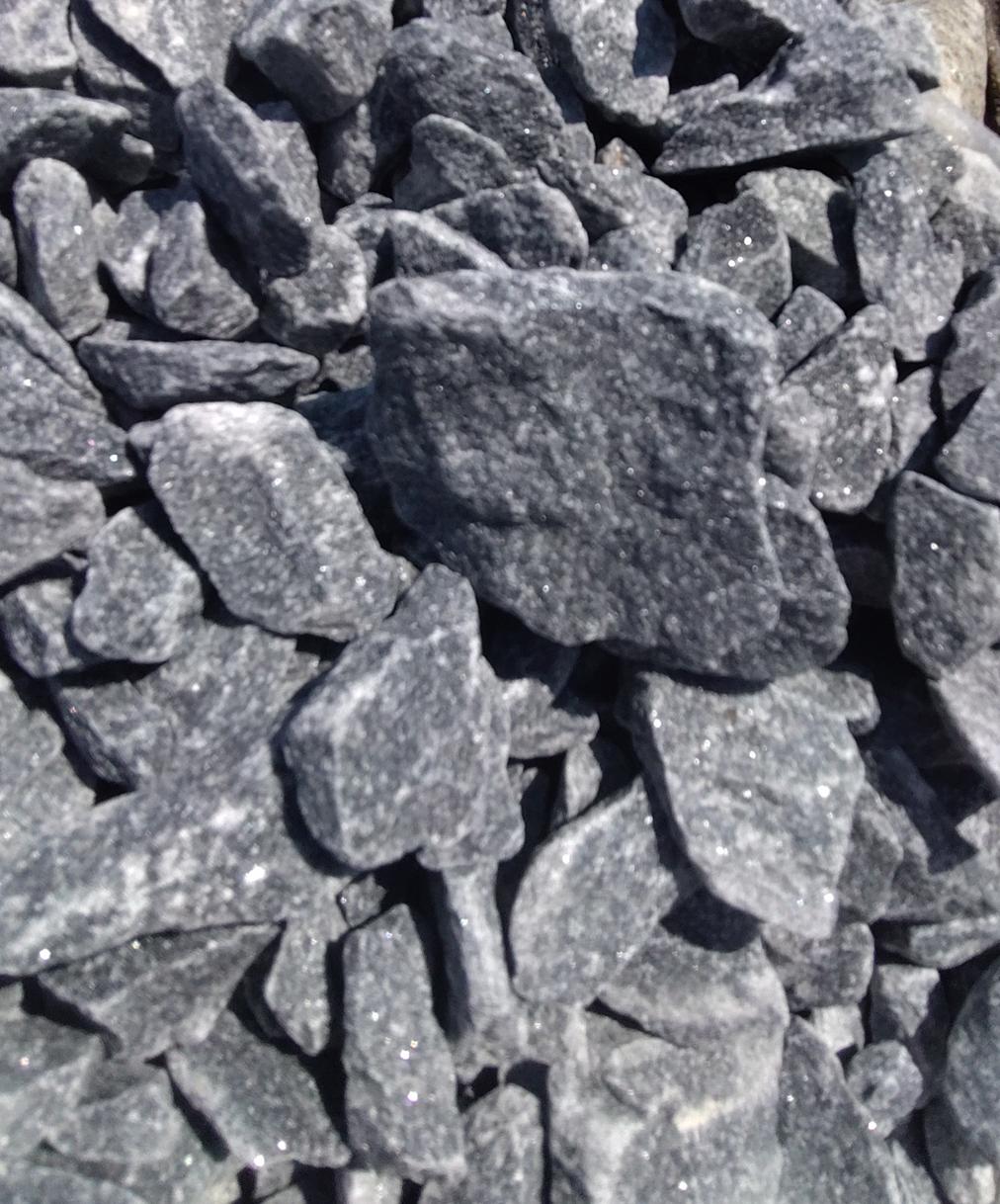
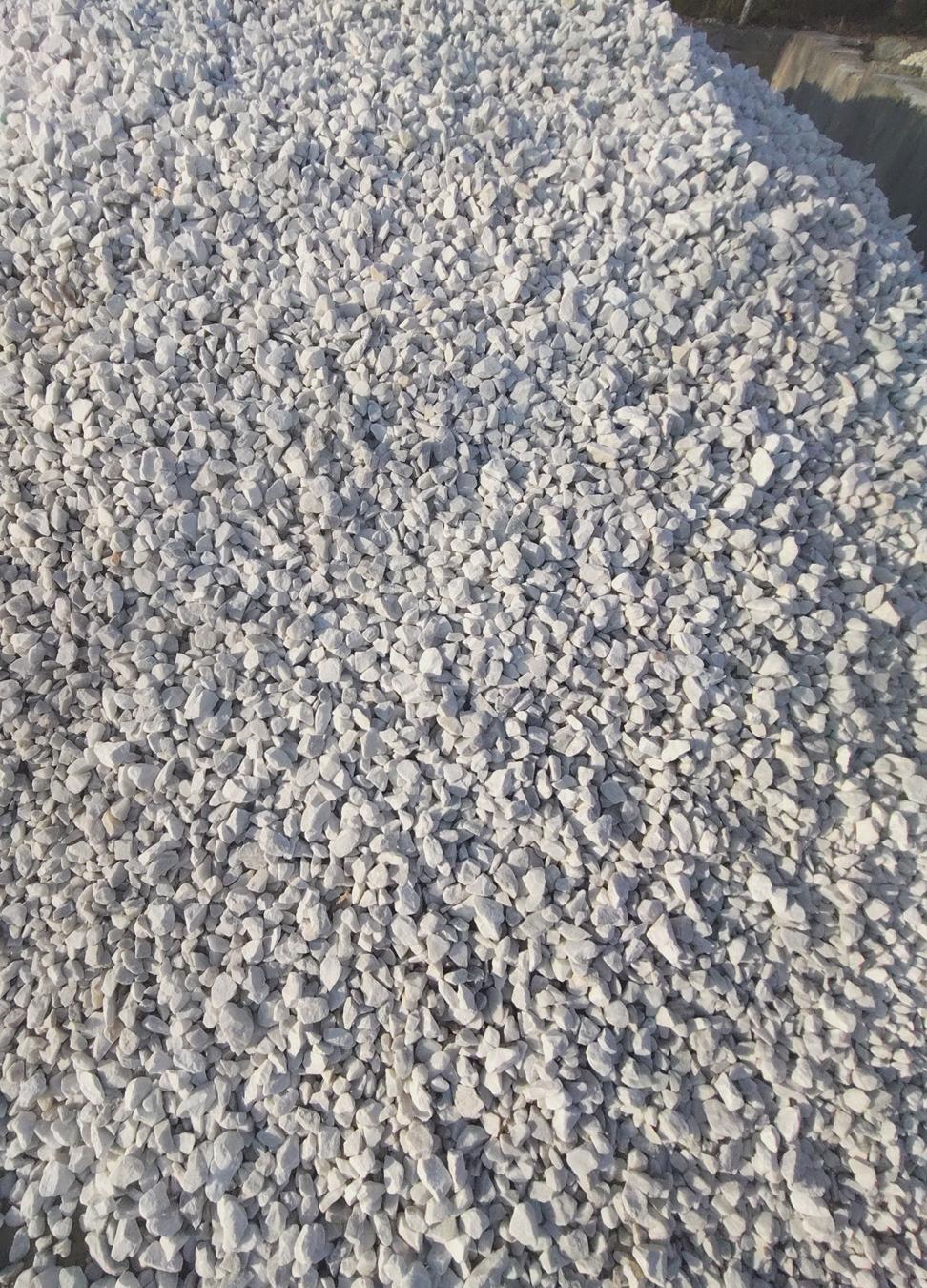

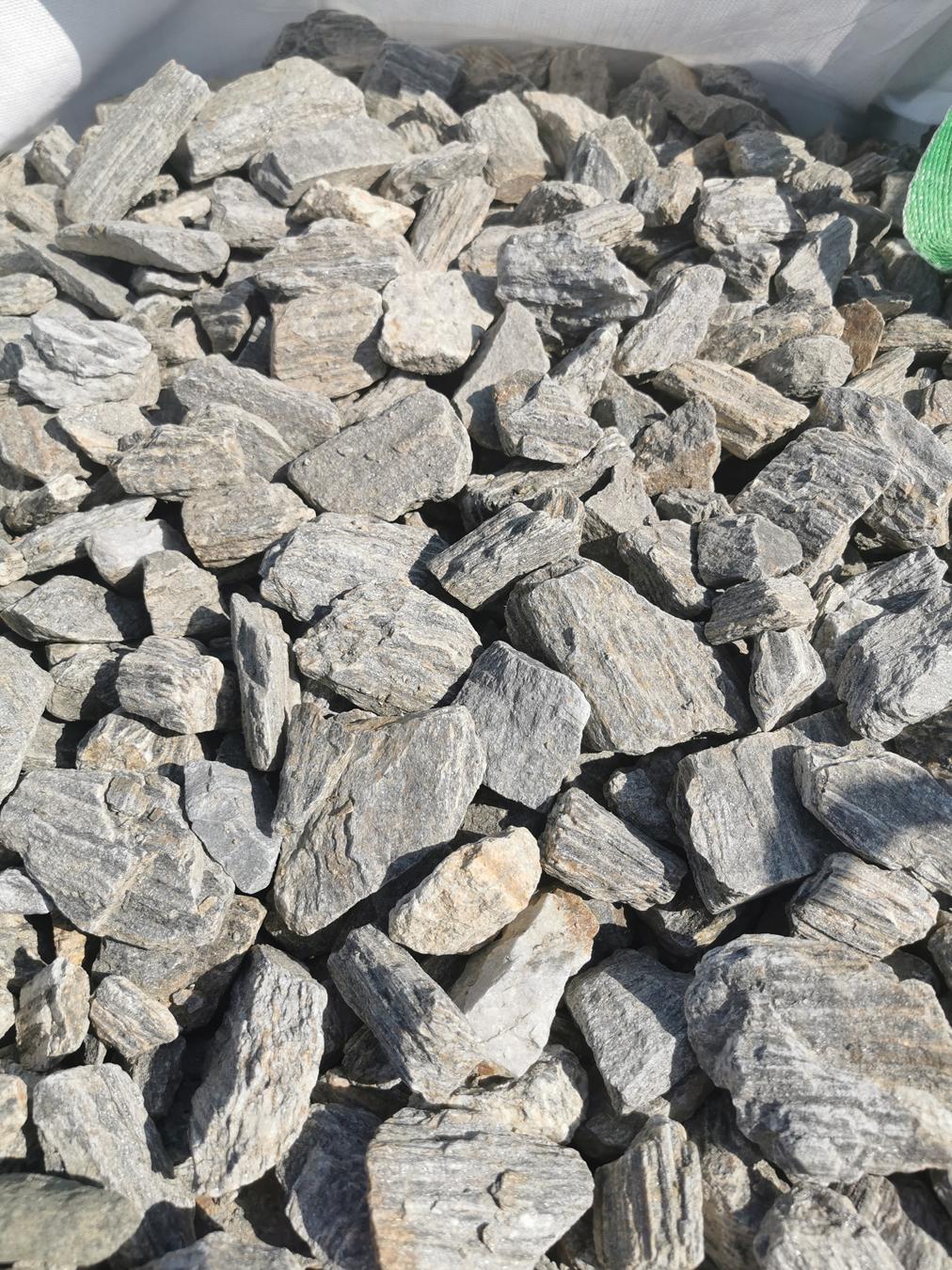
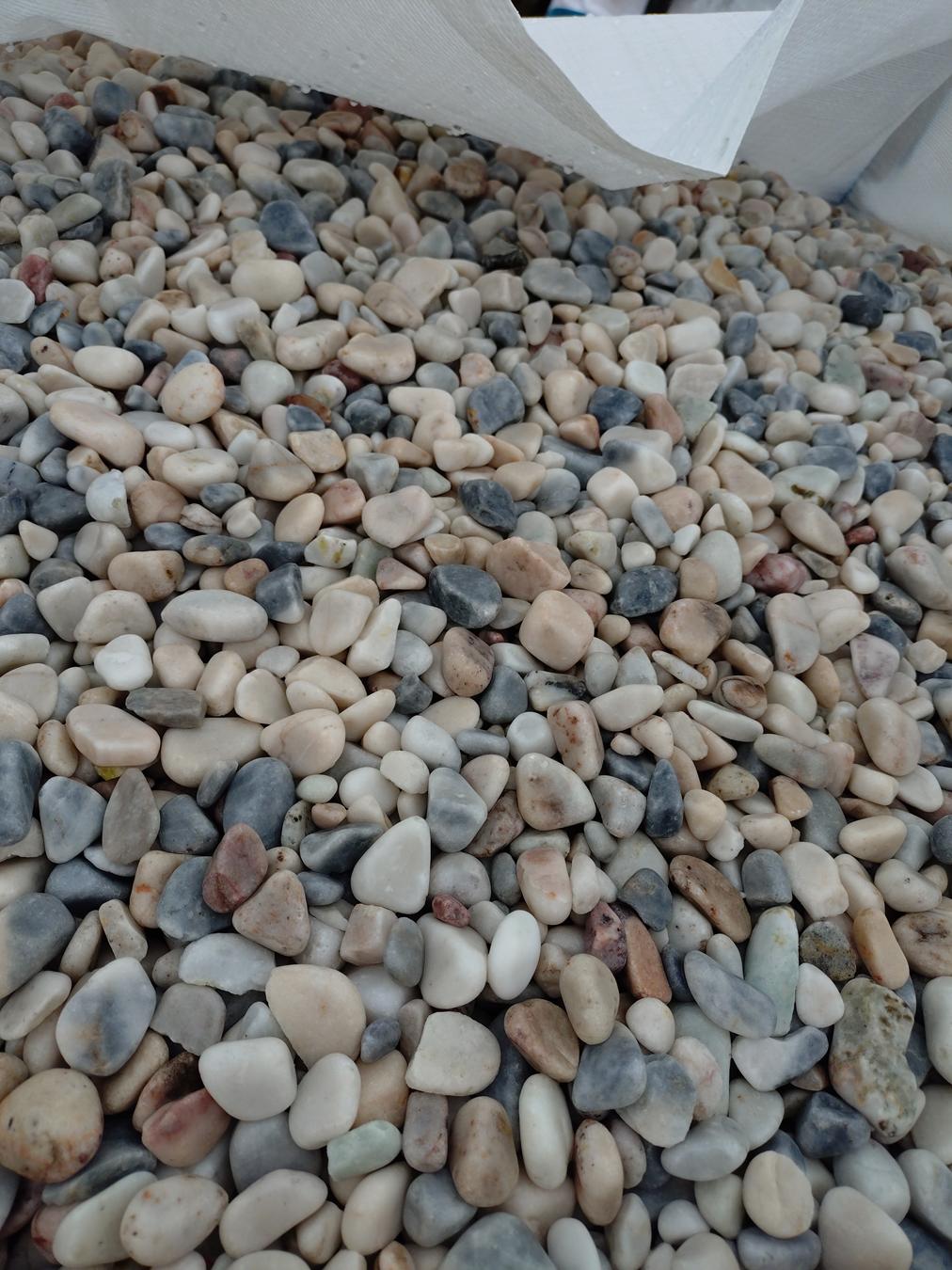


Janowice boulders
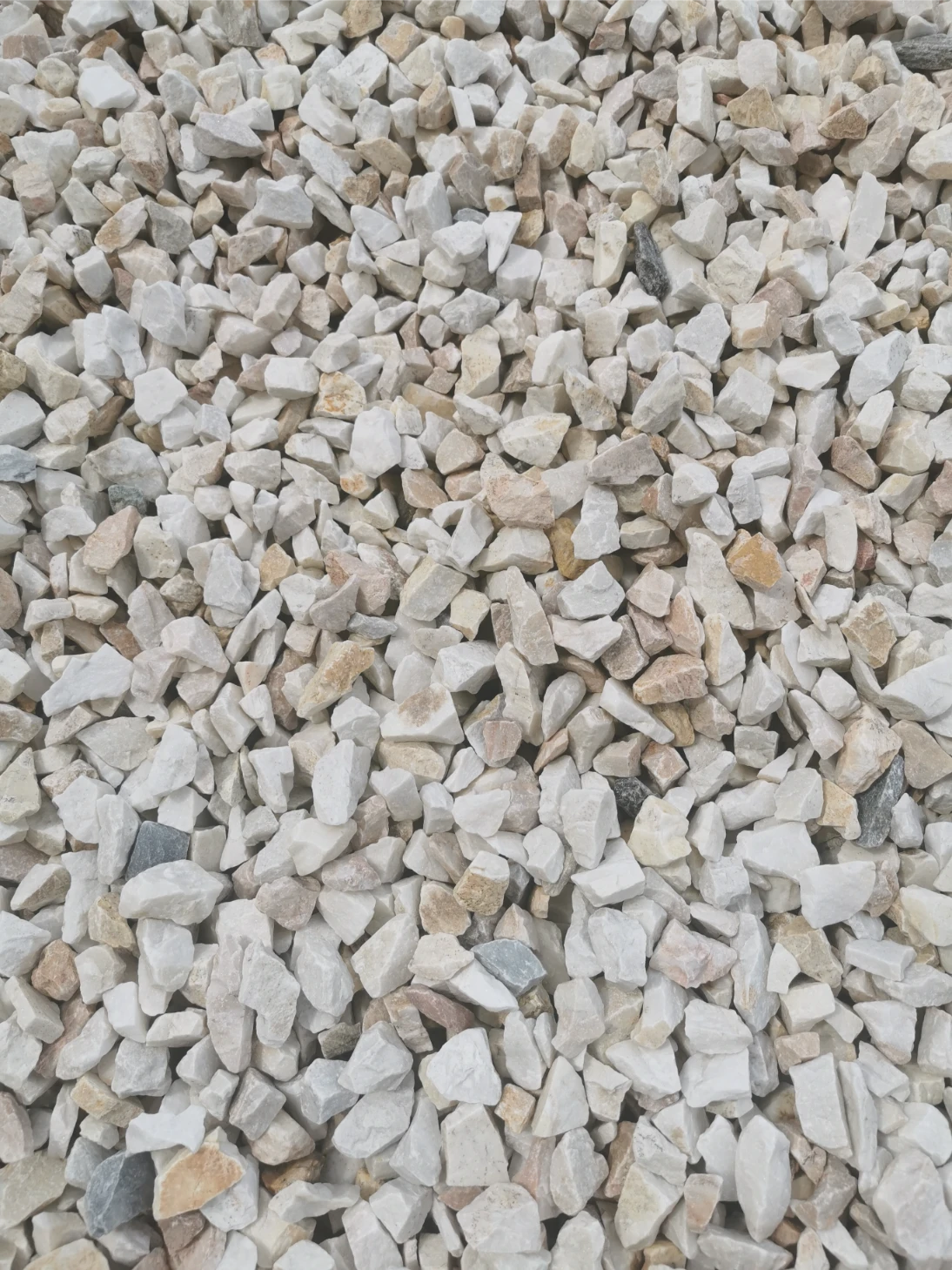
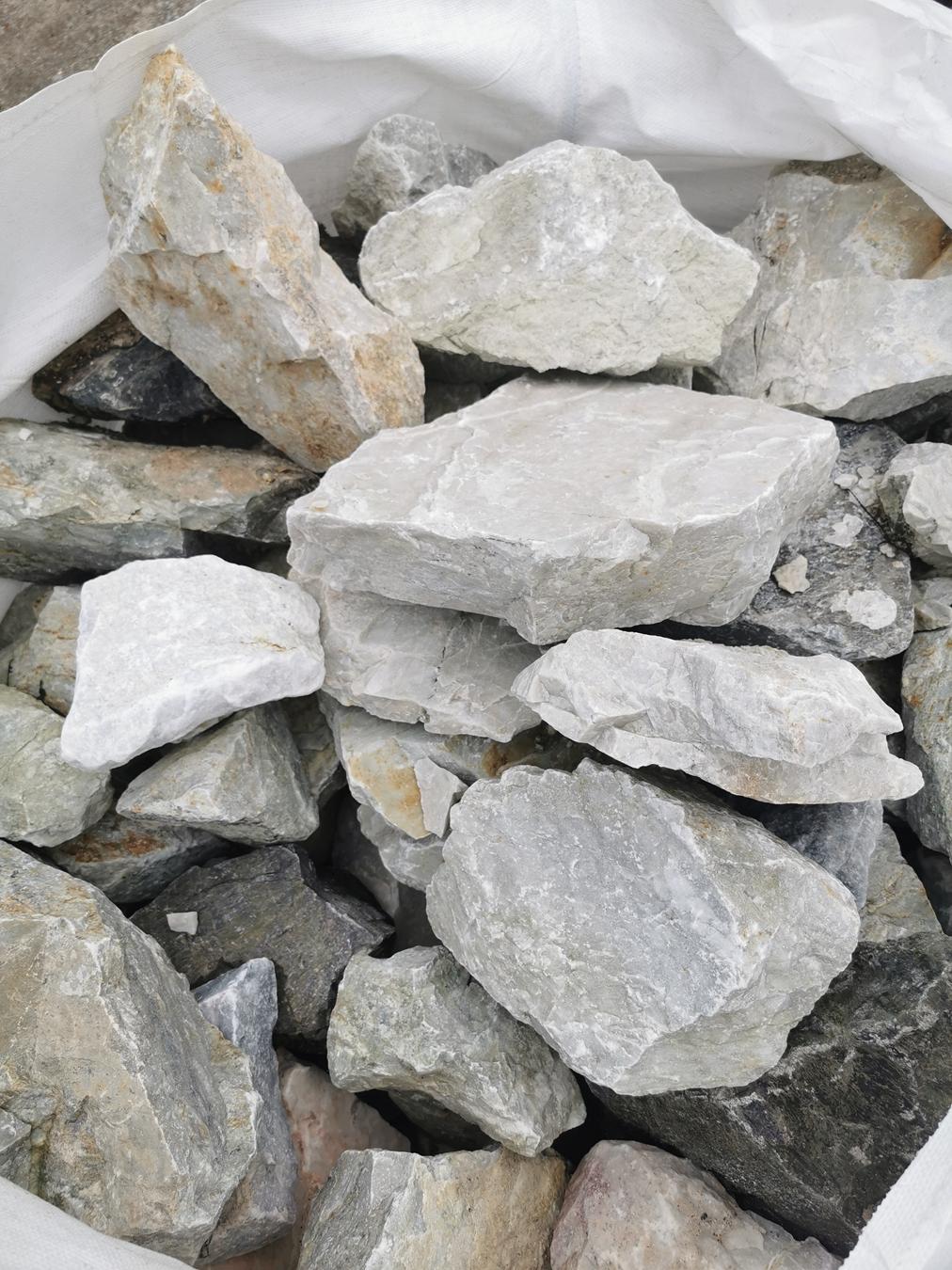
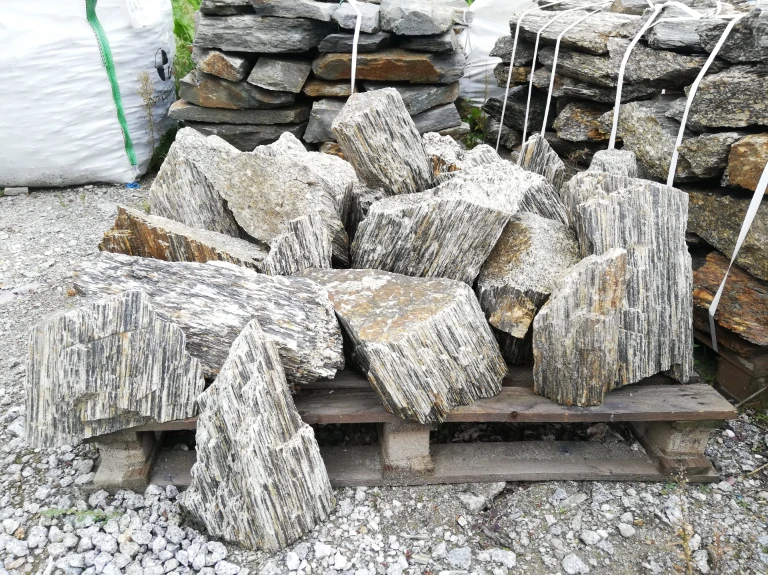
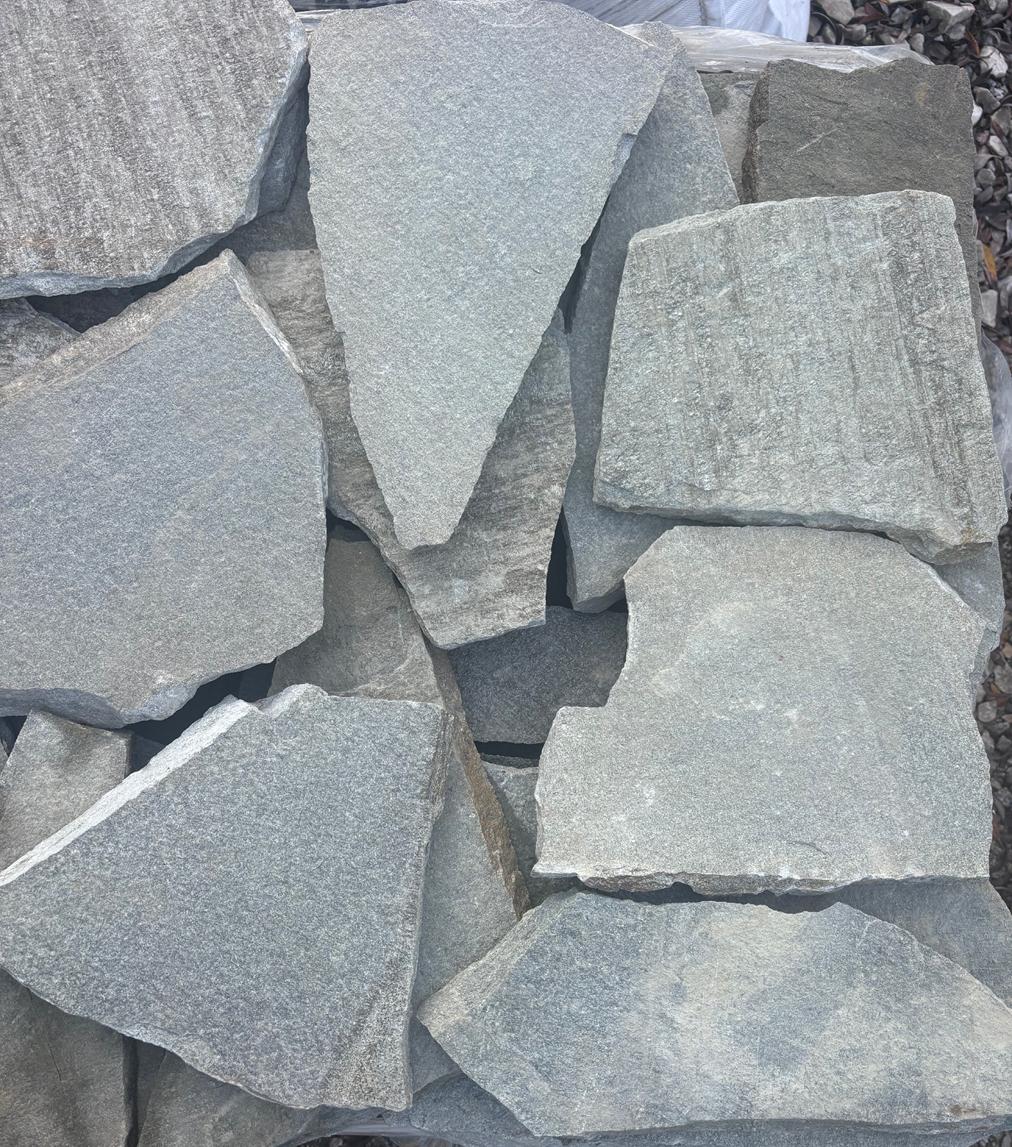
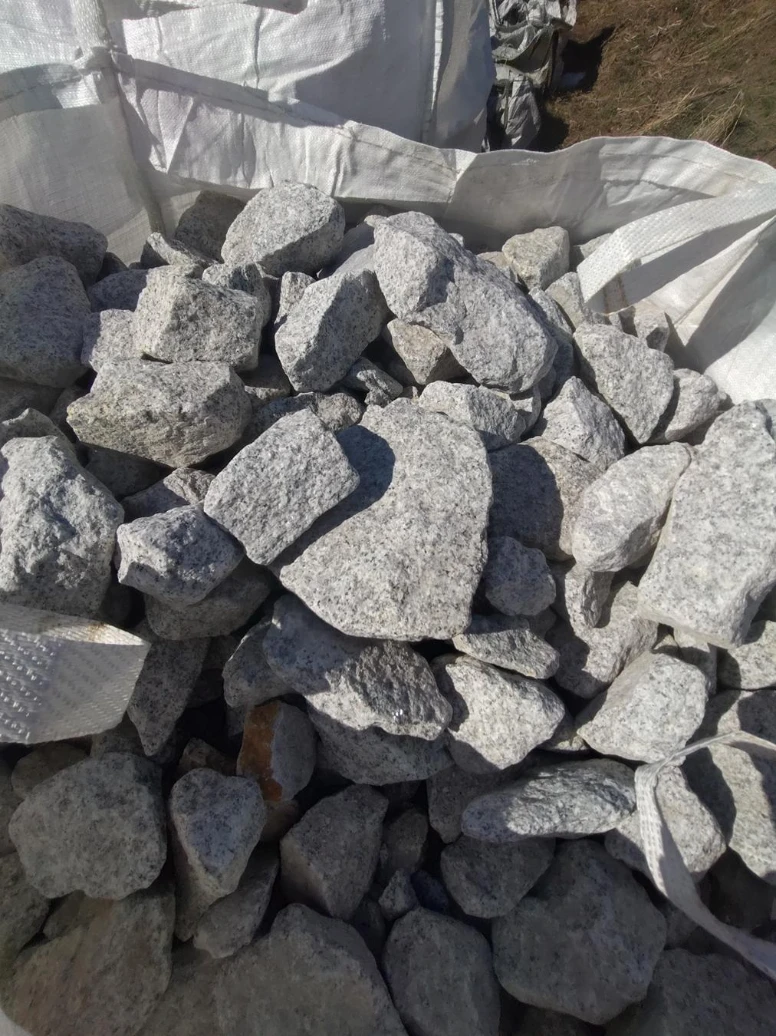
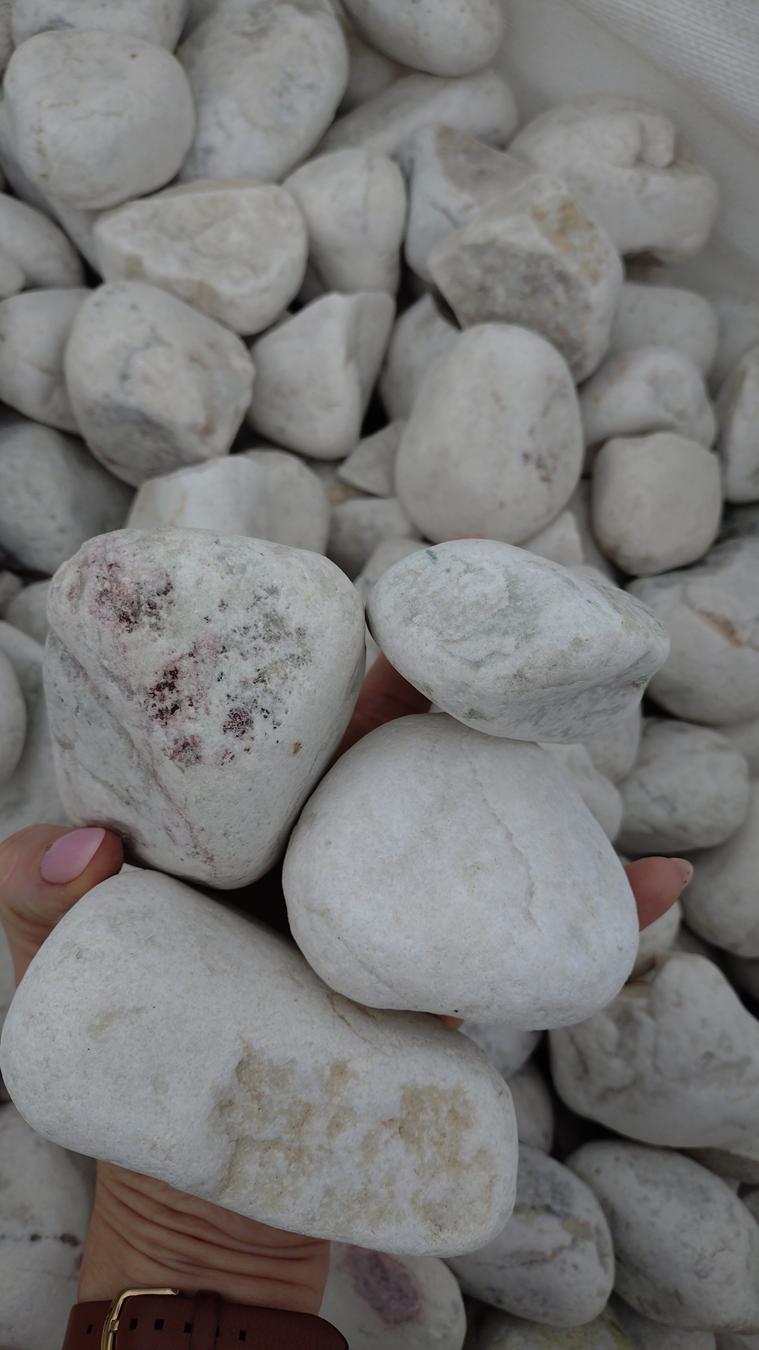
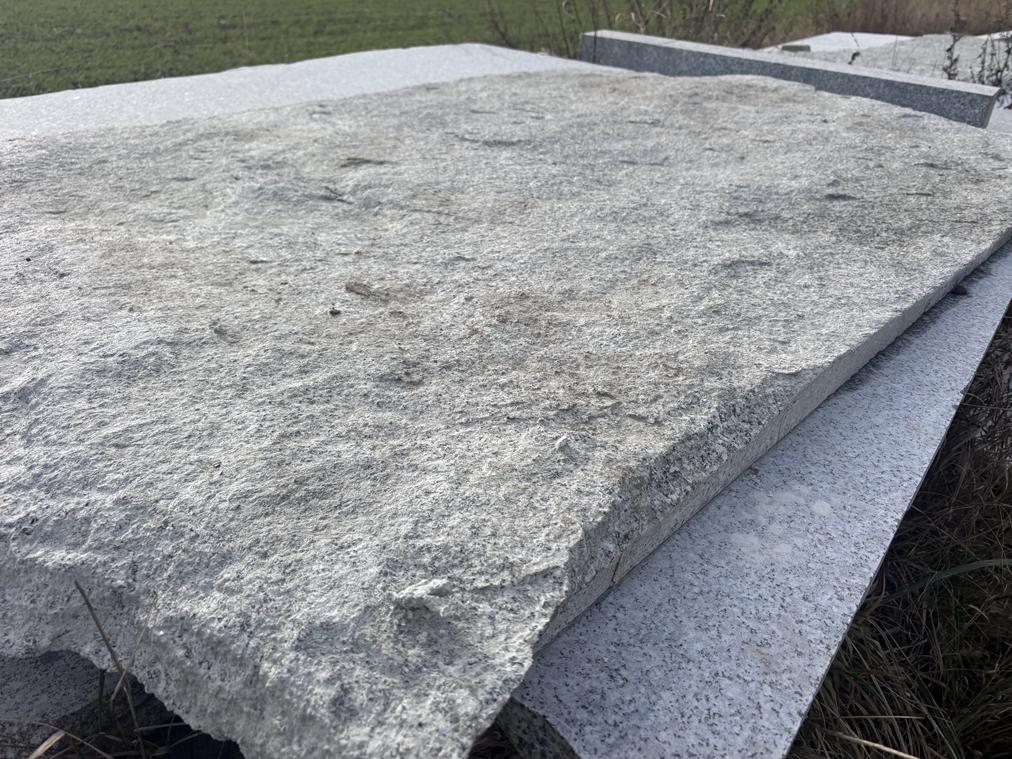
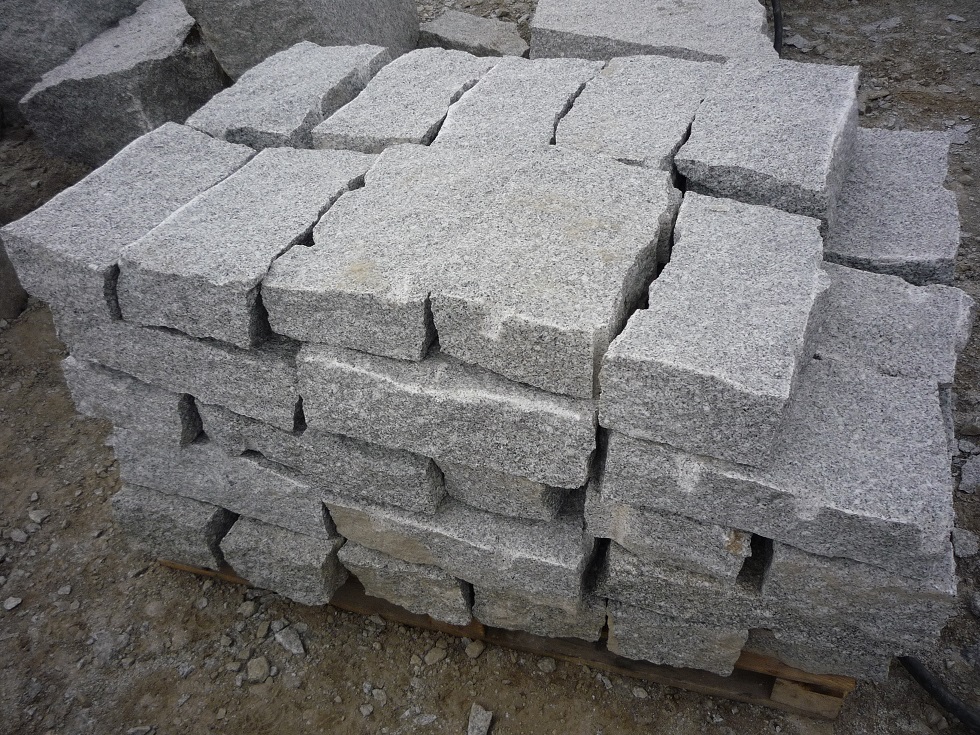
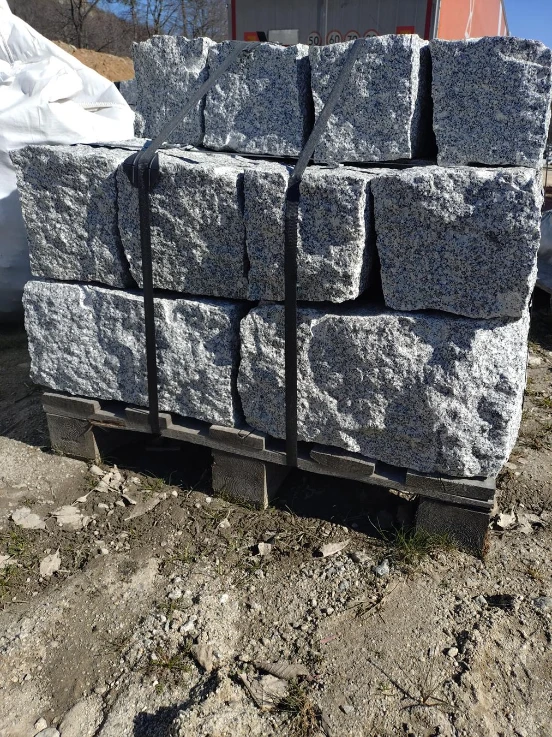
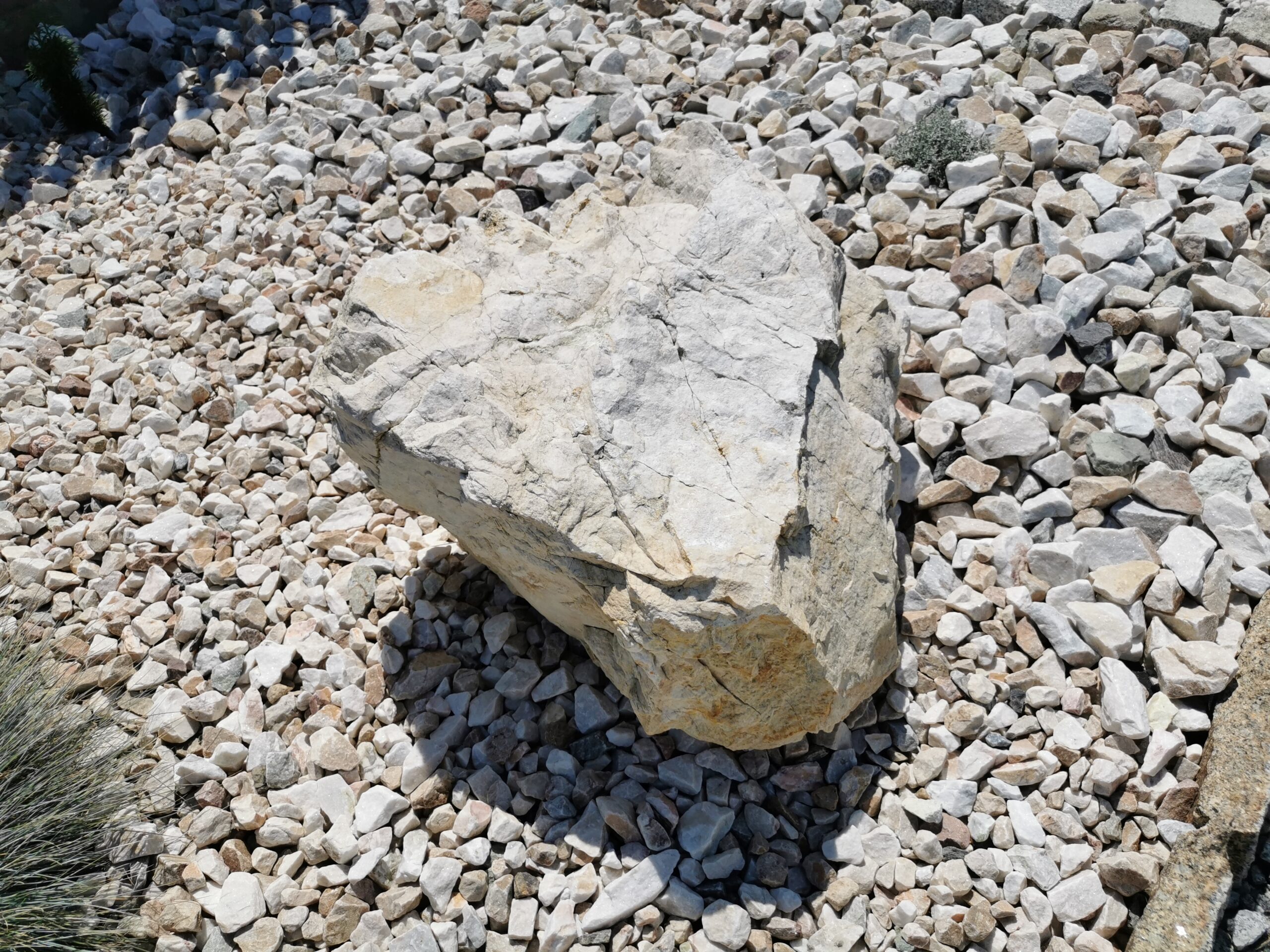
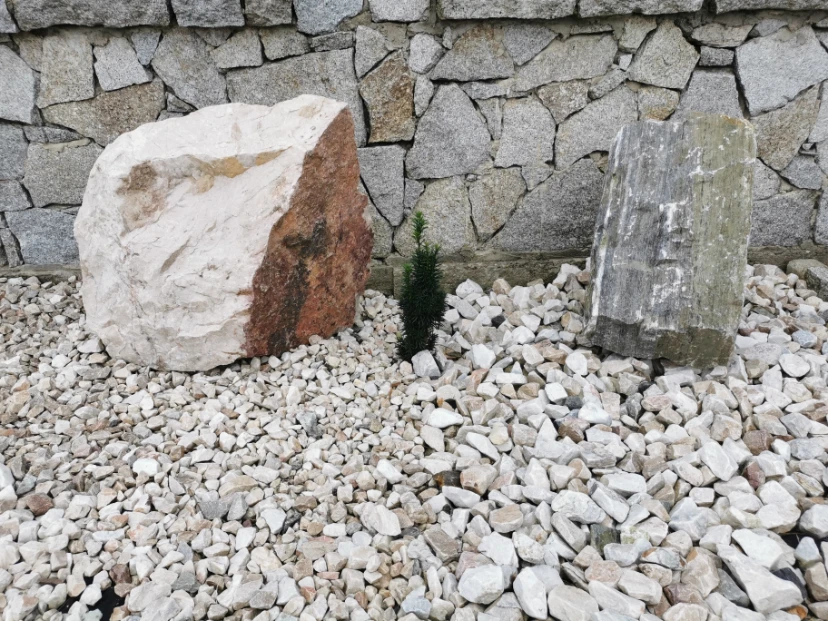
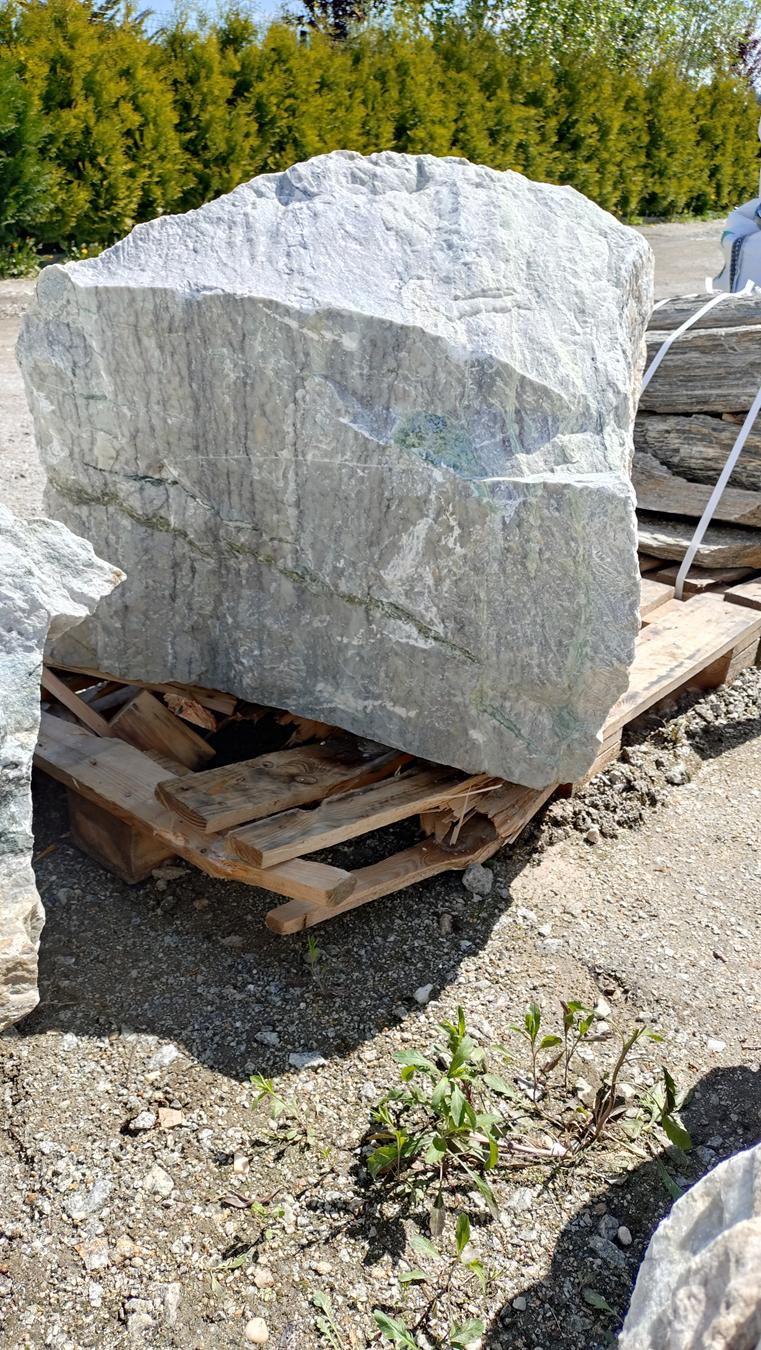
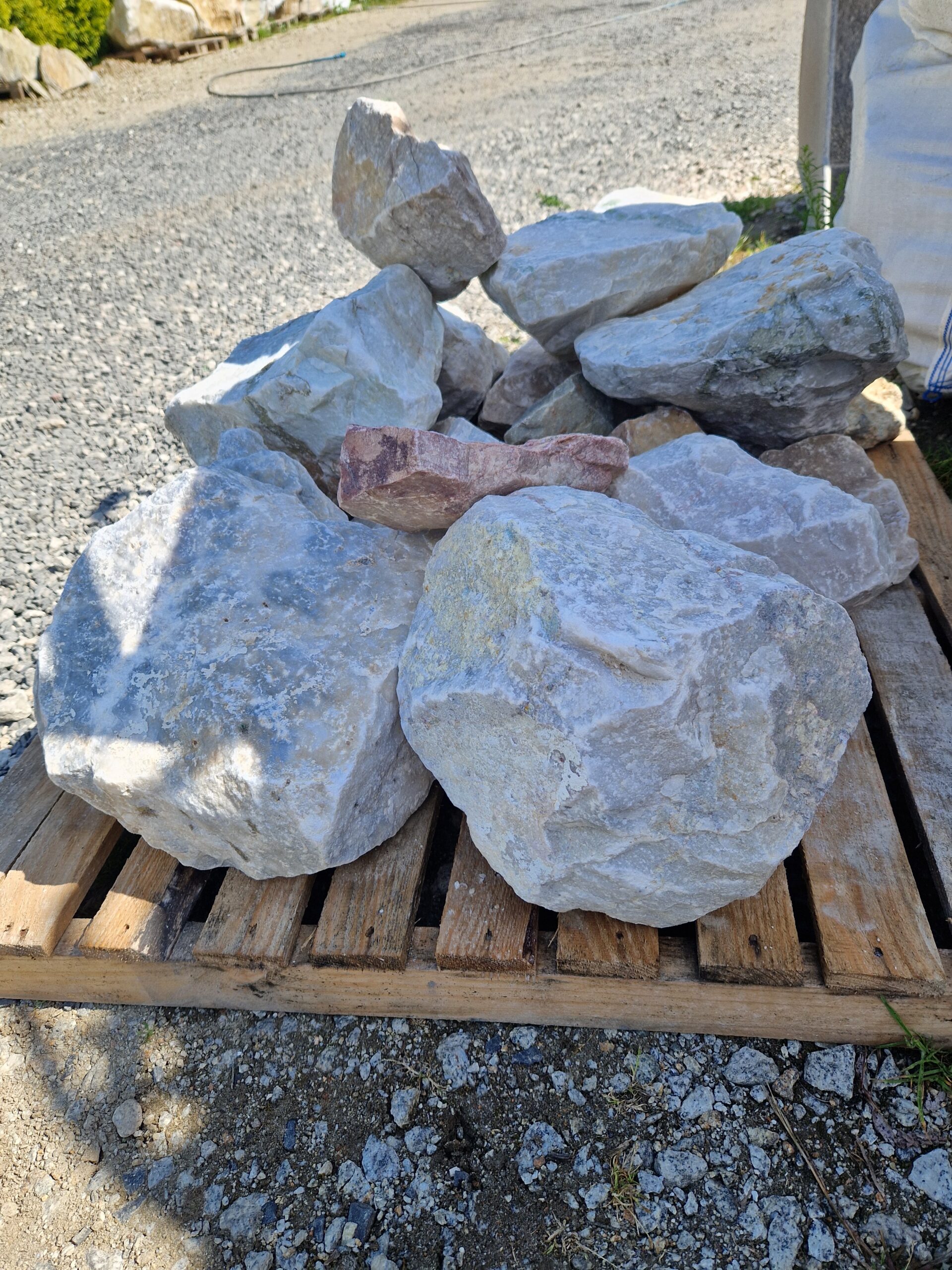
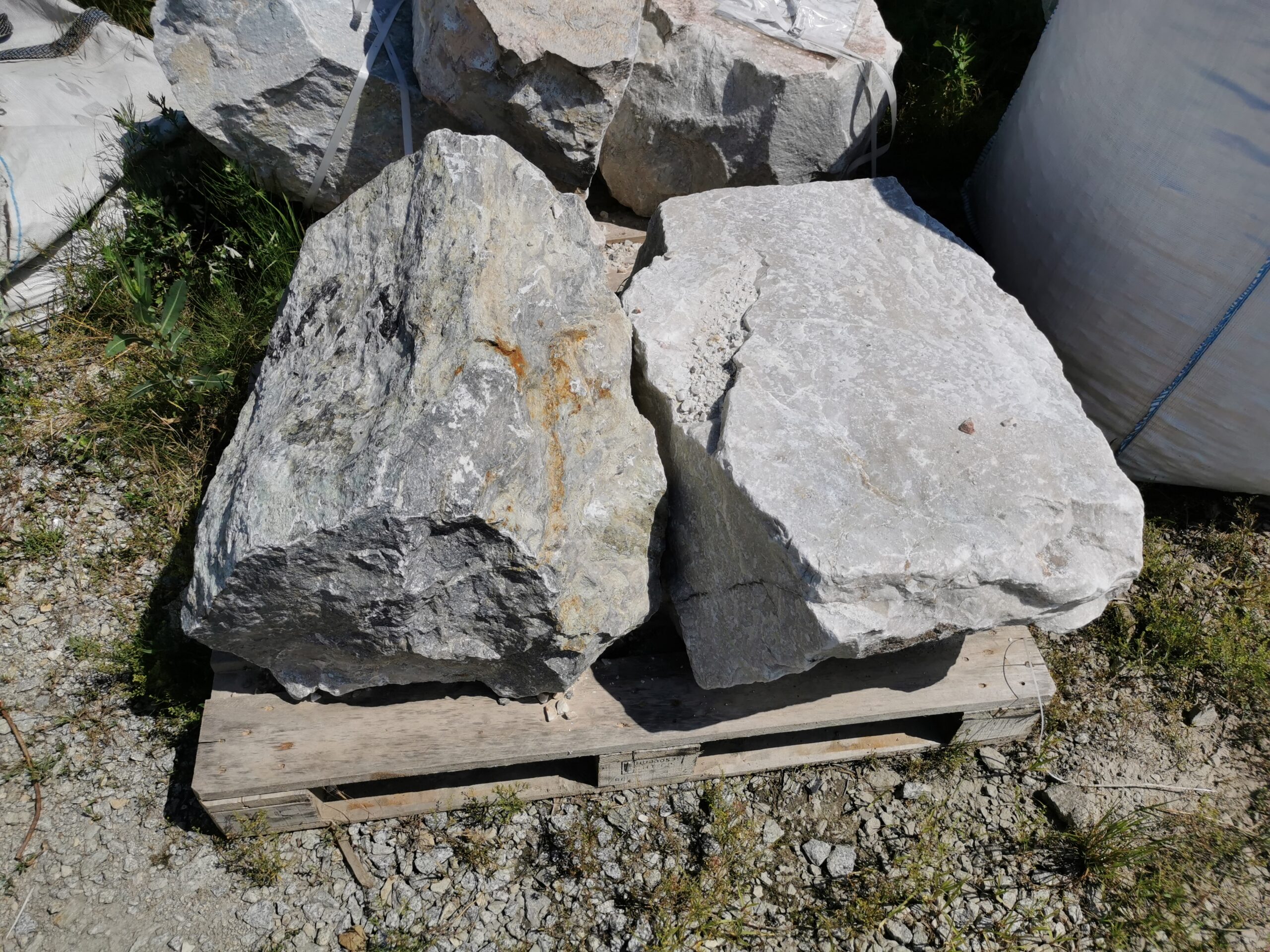
Also called Janowice dolomite boulders, Janowice rocks or Janowice stone blocks, these are natural, large and irregular fragments of dolomite rock (dolomitic marble). They are raw, unprocessed boulders with unique natural shapes – ranging from small pieces (20–50 cm) to very large ones.

A comprehensive range

Tried-and-tested mines and material selection

Time-sensitive logistics
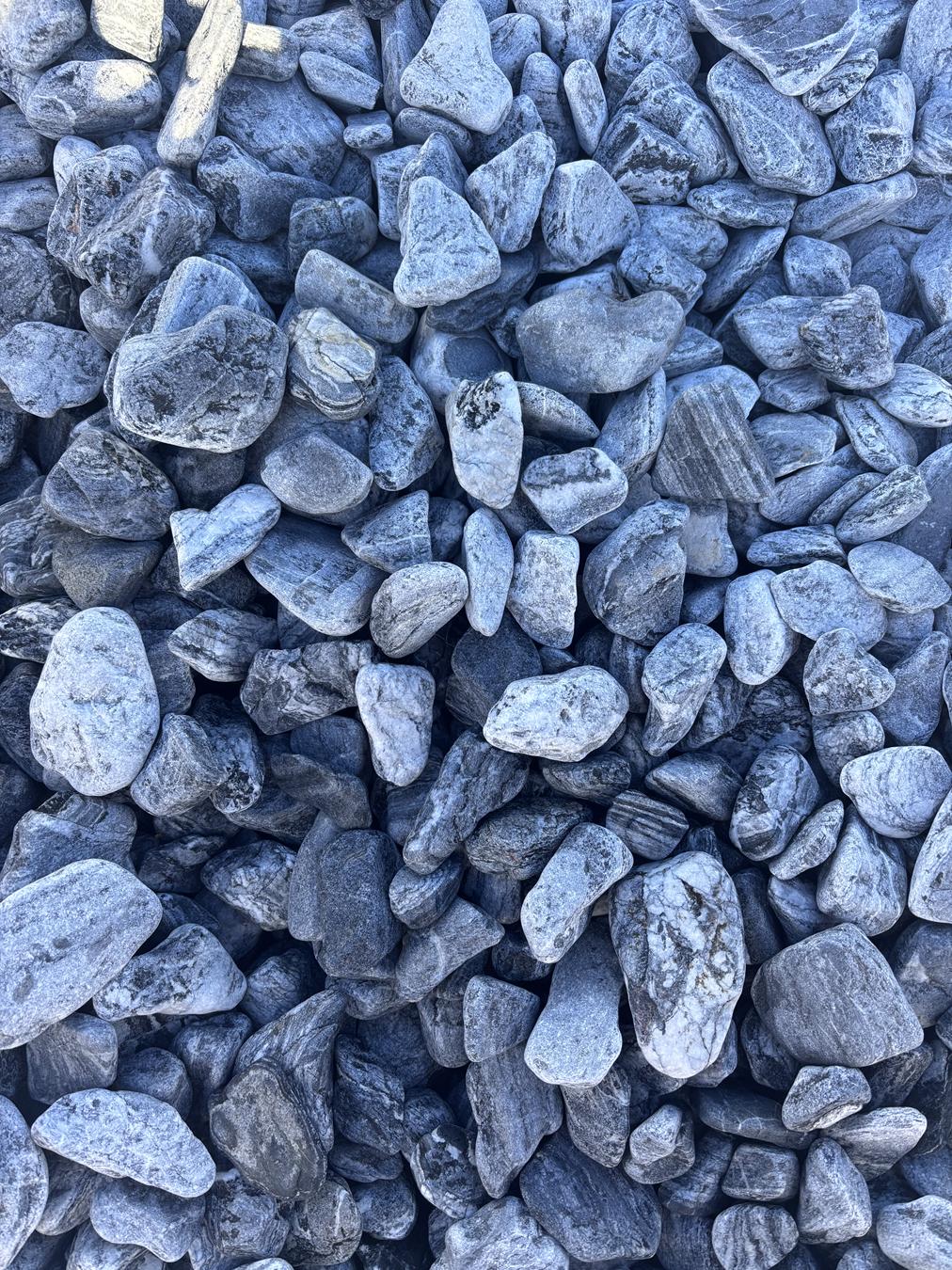
- Up to 4 types of gravel
- Delivered straight to a parcel locker
- See how this stone looks
- The cost of the samples is 50 zł, including postage
- Please place your order by email
Janowice Boulders – 500 PLN/ton (big bag)
Price per piece – 1.00 PLN / kg
Also known as Janowice dolomite boulders, Janowice rocks or Janowice stone blocks, these are natural, large, irregular fragments of dolomite rock (dolomitic marble). They are raw, unprocessed boulders with unique natural shapes – ranging from small pieces (20–50 cm) to very large ones.
Take a look at our Facebook page to see how this material looks:
https://www.facebook.com/reel/10040587675993912
Most popular sizes and typical applications
| Size / approximate weight | Typical use |
|---|---|
| Small boulders 250–500 mm / 20–50 kg | Small rock gardens, flower beds, solitaires among grasses or perennials, groups of 3–7 stones, large planters |
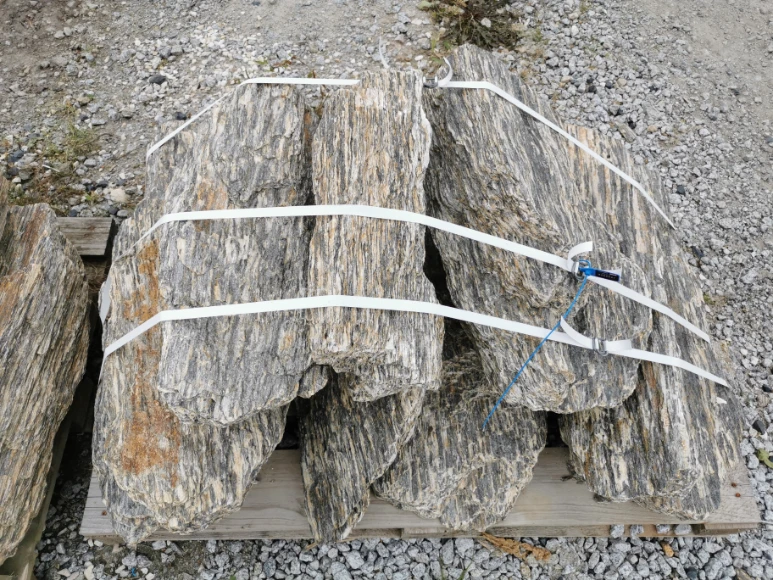
| Medium boulders 400–800 mm / 150–600 kg | Central solitaires, accents near entrances or water features, imitation of natural rock formations, retaining walls |
| Large boulders 800–1000 mm / >600 kg | Large compositions, showcase gardens, premium rock gardens, monumental solitaires |
Janowice boulders are among the most popular light and pastel-colored rock accents used in garden design. They are perfect for rock gardens, solitaires, groups of stones, areas around ponds or flower beds with acid-loving plants. They create a natural, brightening effect with unique color variations and soil-neutralizing properties. They combine beautifully with ornamental grasses, conifers, heathers, hydrangeas and both modern and naturalistic garden arrangements.
Key properties of Janowice boulders
- Rock type — metamorphic dolomite (dolomitic marble), composed mainly of calcium carbonate and magnesium with natural mineral inclusions
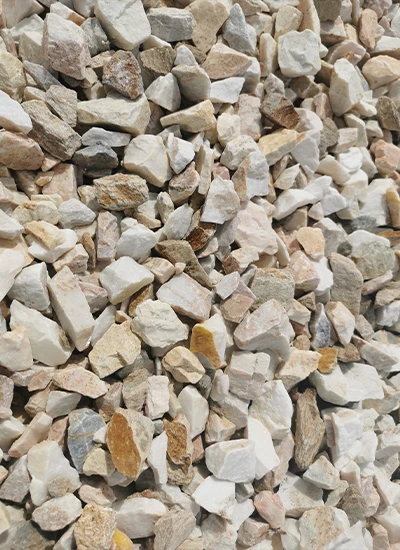
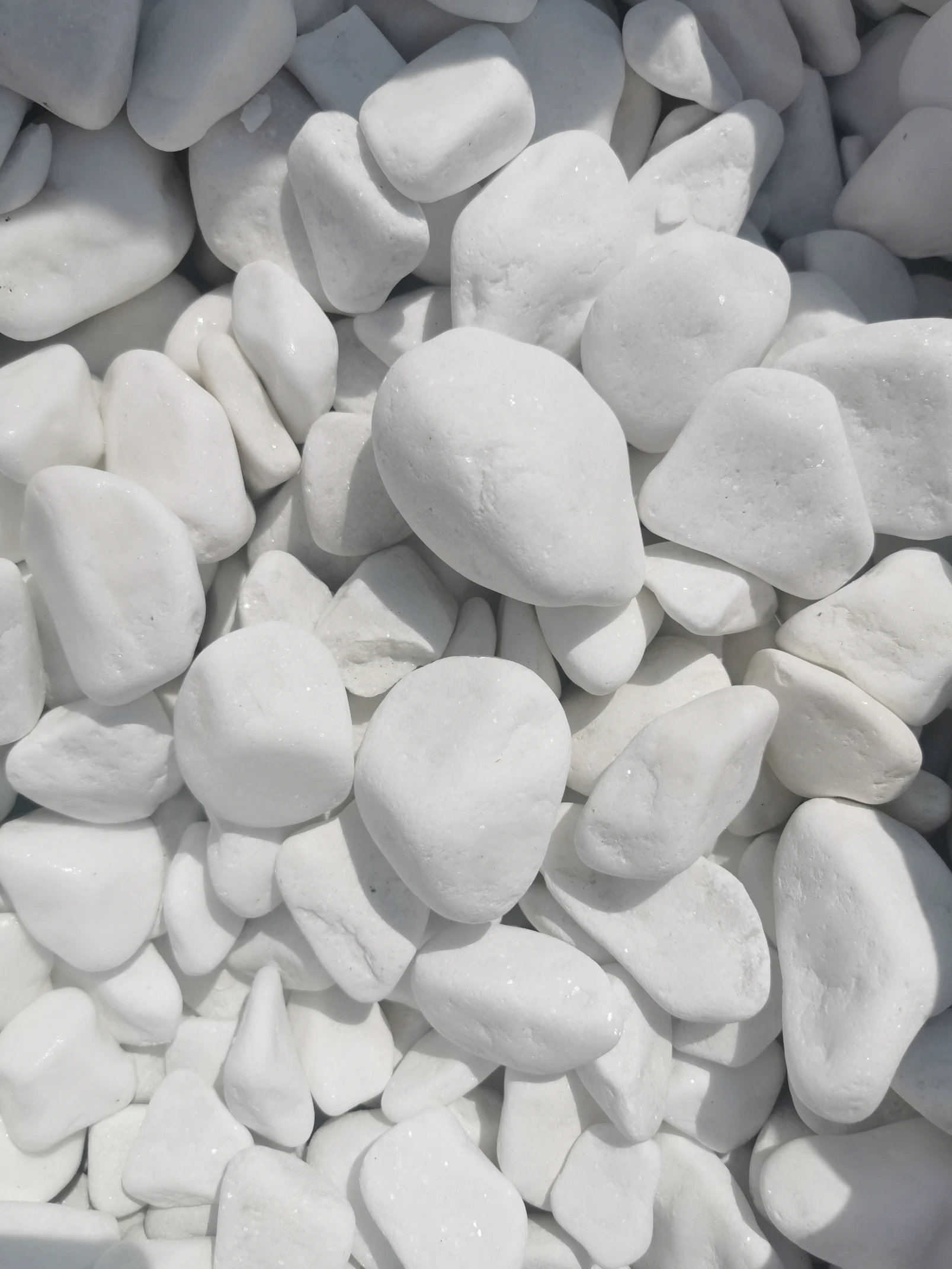
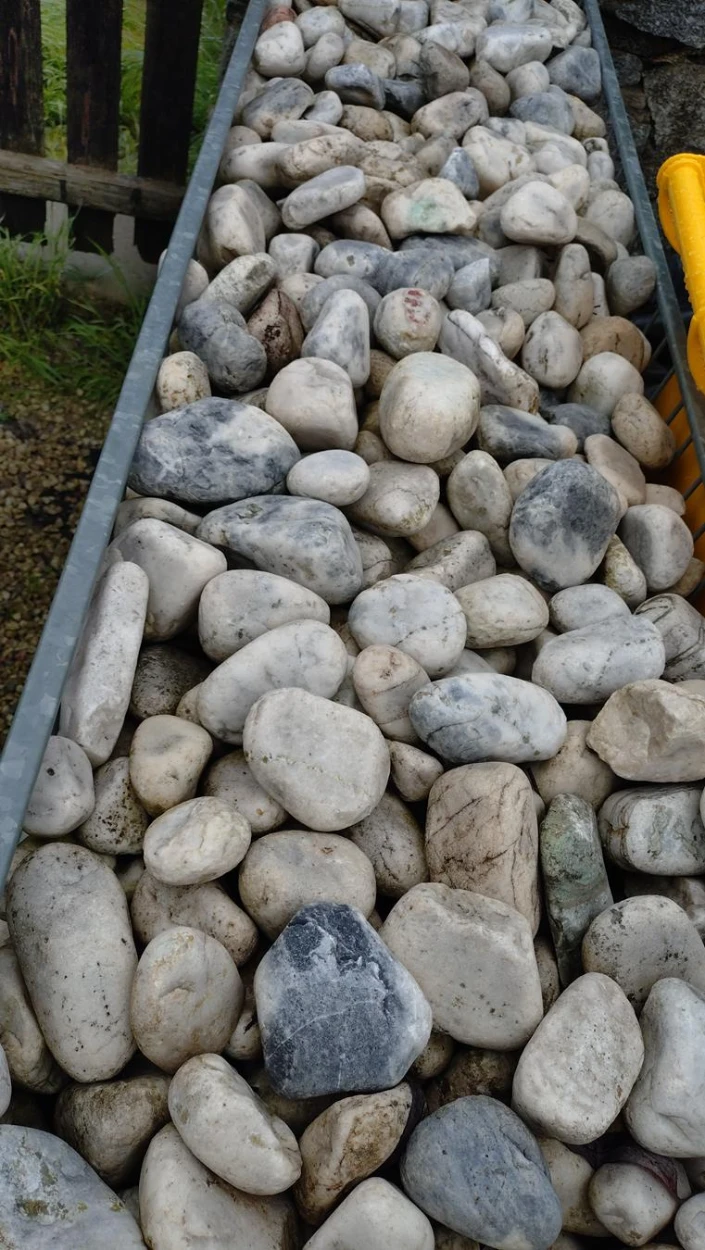
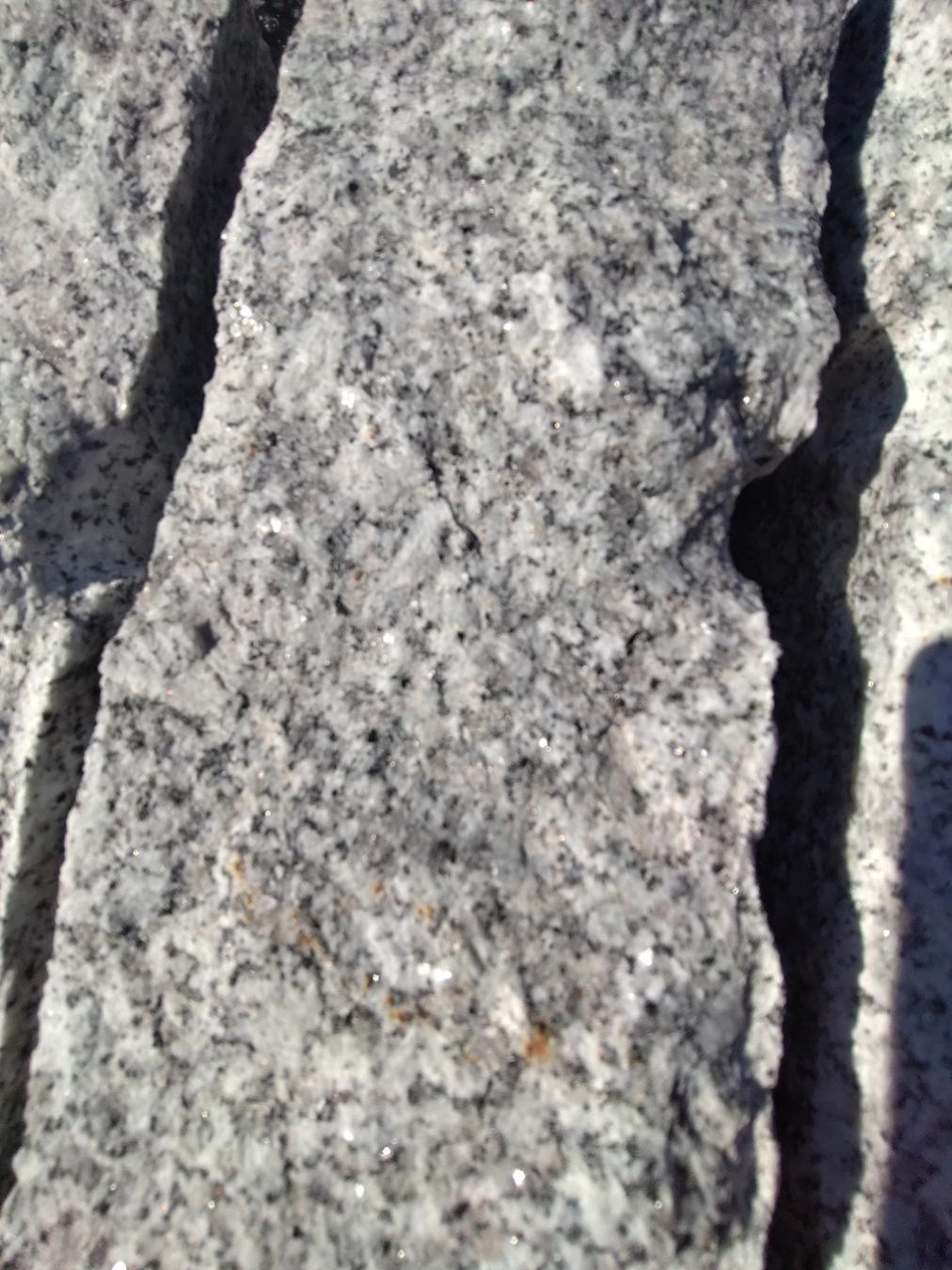
- Color — dominant tones of white, ecru and light cream with numerous natural color variations such as pastel beige, soft pink, blueish tones, olive greens, light browns, greys and sometimes yellowish or graphite streaks; each boulder is unique
- Shape — irregular, raw, fractured and rough; natural forms resembling mountain rocks or river boulders (not rounded like pebbles, but not sharply angular like crushed stone)
- Hardness — medium (approx. 3.5–4.5 on the Mohs scale), suitable for decorative applications but not recommended for heavy loads such as driveways
- Frost resistance — good (F1–F2), performs well in Central European climates without cracking or flaking
- Water absorption — medium to high (1–4%); absorbs moisture and becomes more intense and vivid in color after rain
- Acid resistance — low (reacts with acids and may become dull when exposed to acidic fertilizers, vinegar or acid rain)
- Soil properties — strongly deacidifies soil (dolomite calcium-magnesium effect), ideal around conifers, heathers, rhododendrons or for improving acidic soil conditions
- Aesthetics — light, pastel, natural and warm appearance; color variations add character and depth while brightening the garden and creating a natural rock garden effect
- Natural, eco-friendly material without artificial pigments
