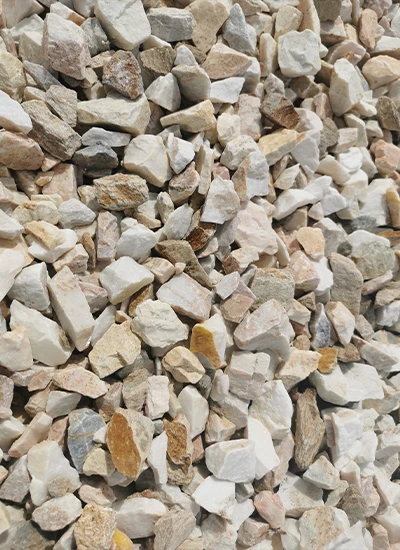
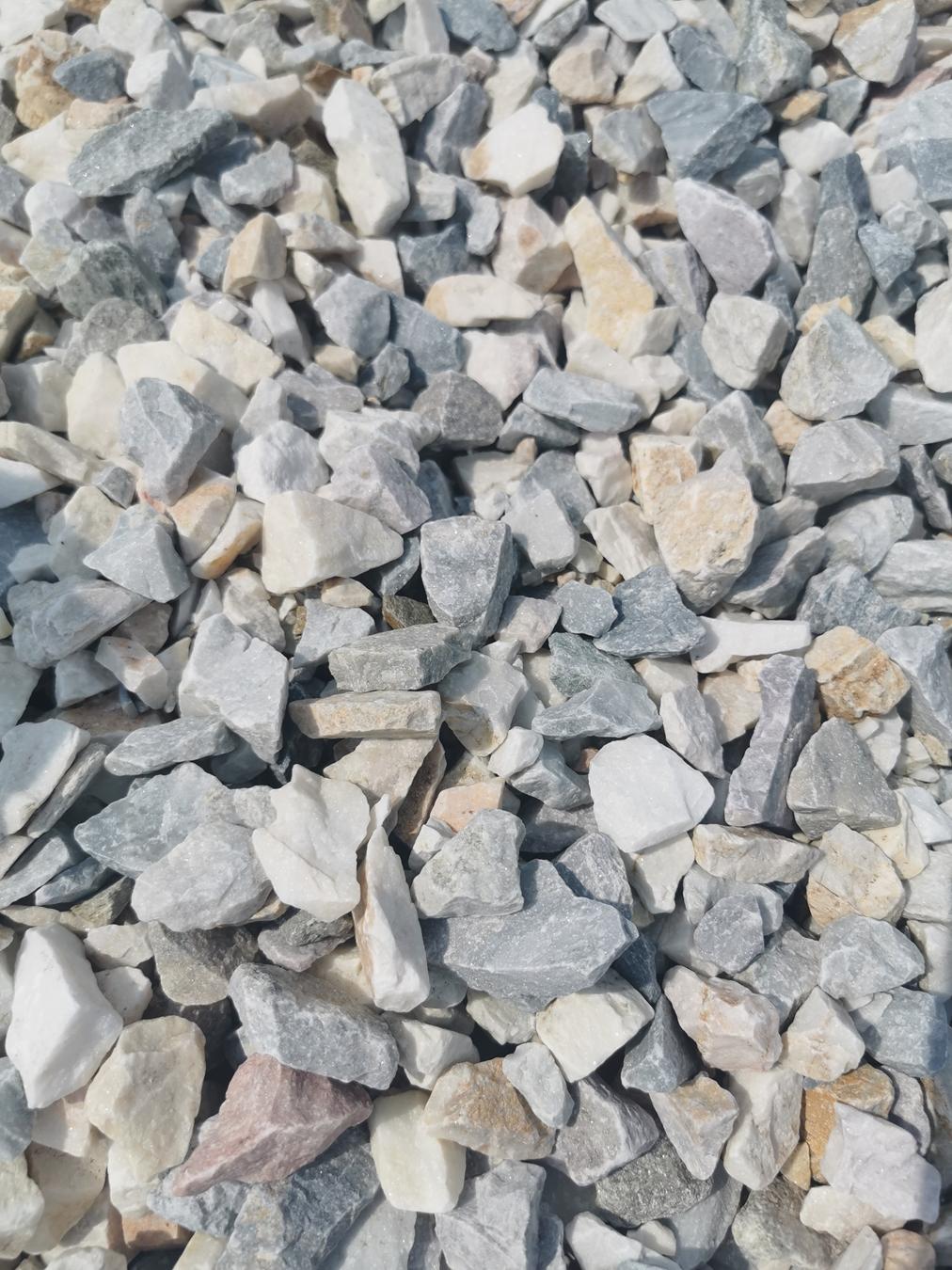
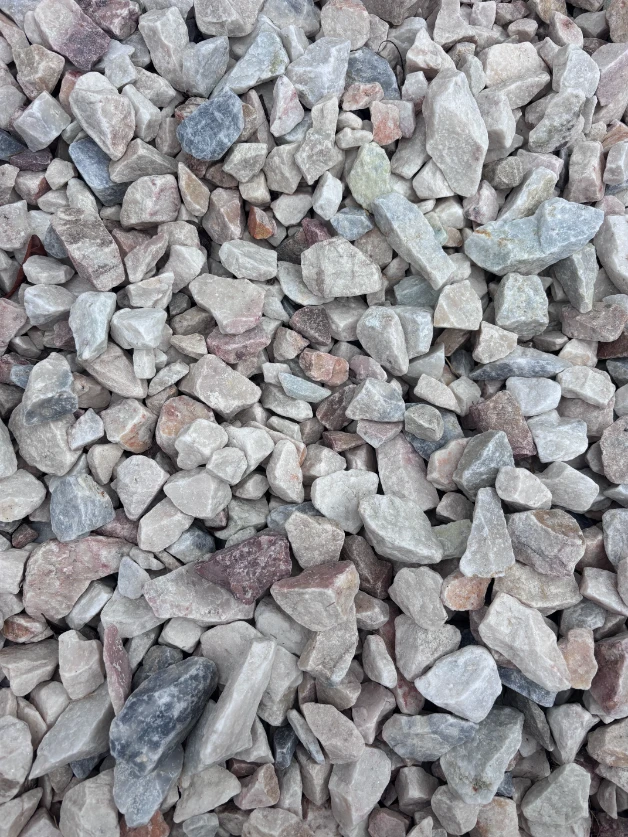
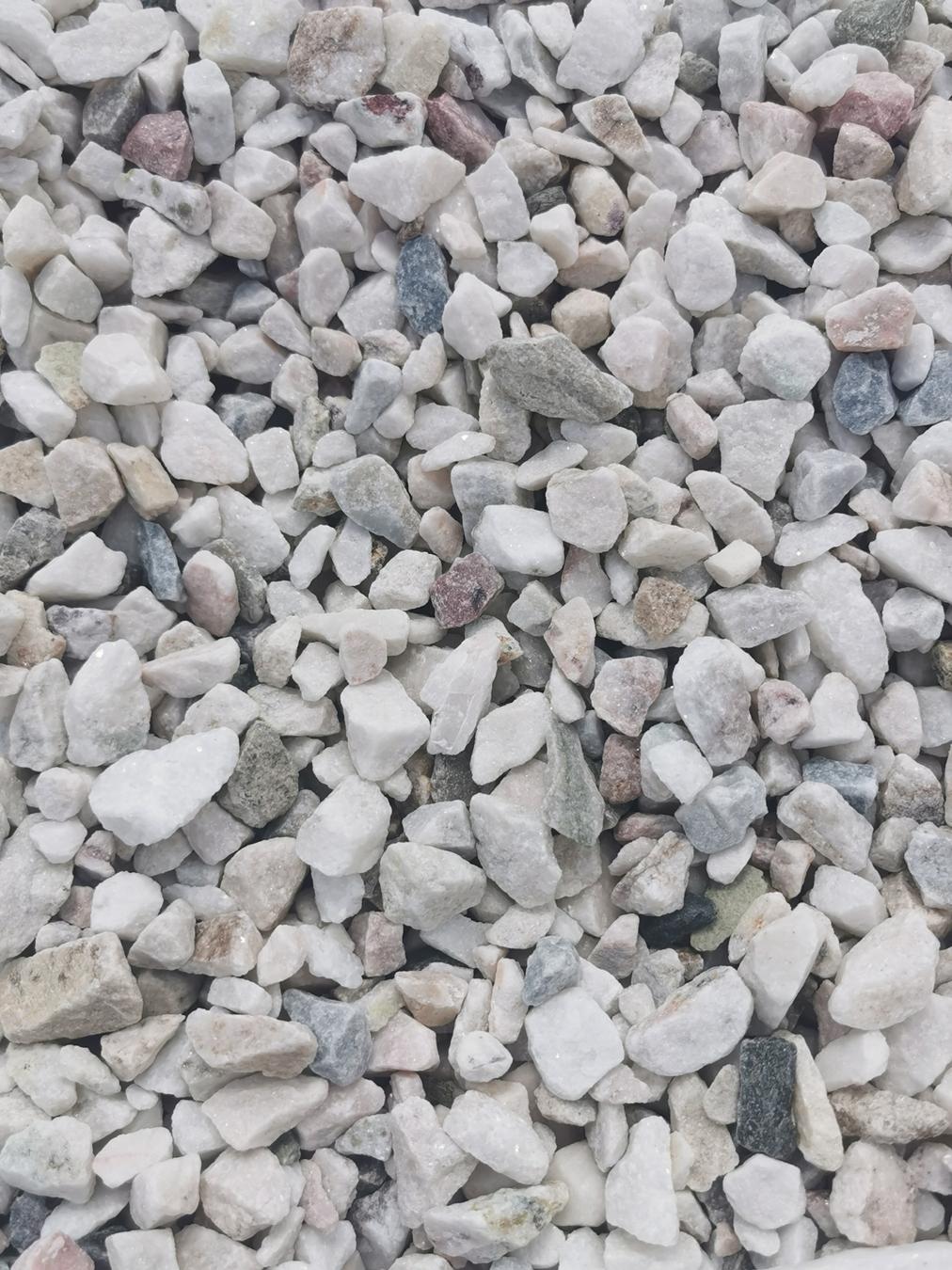
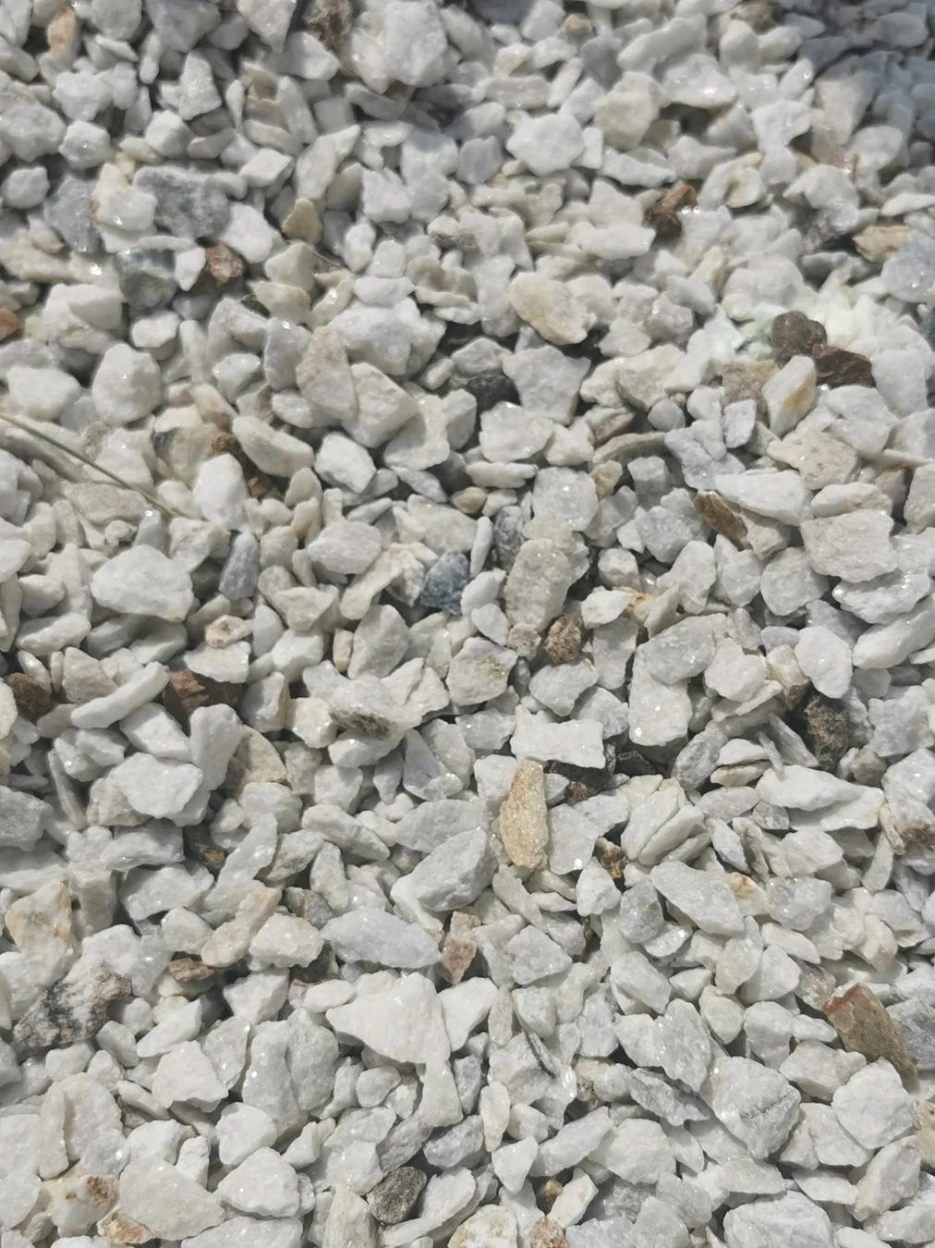
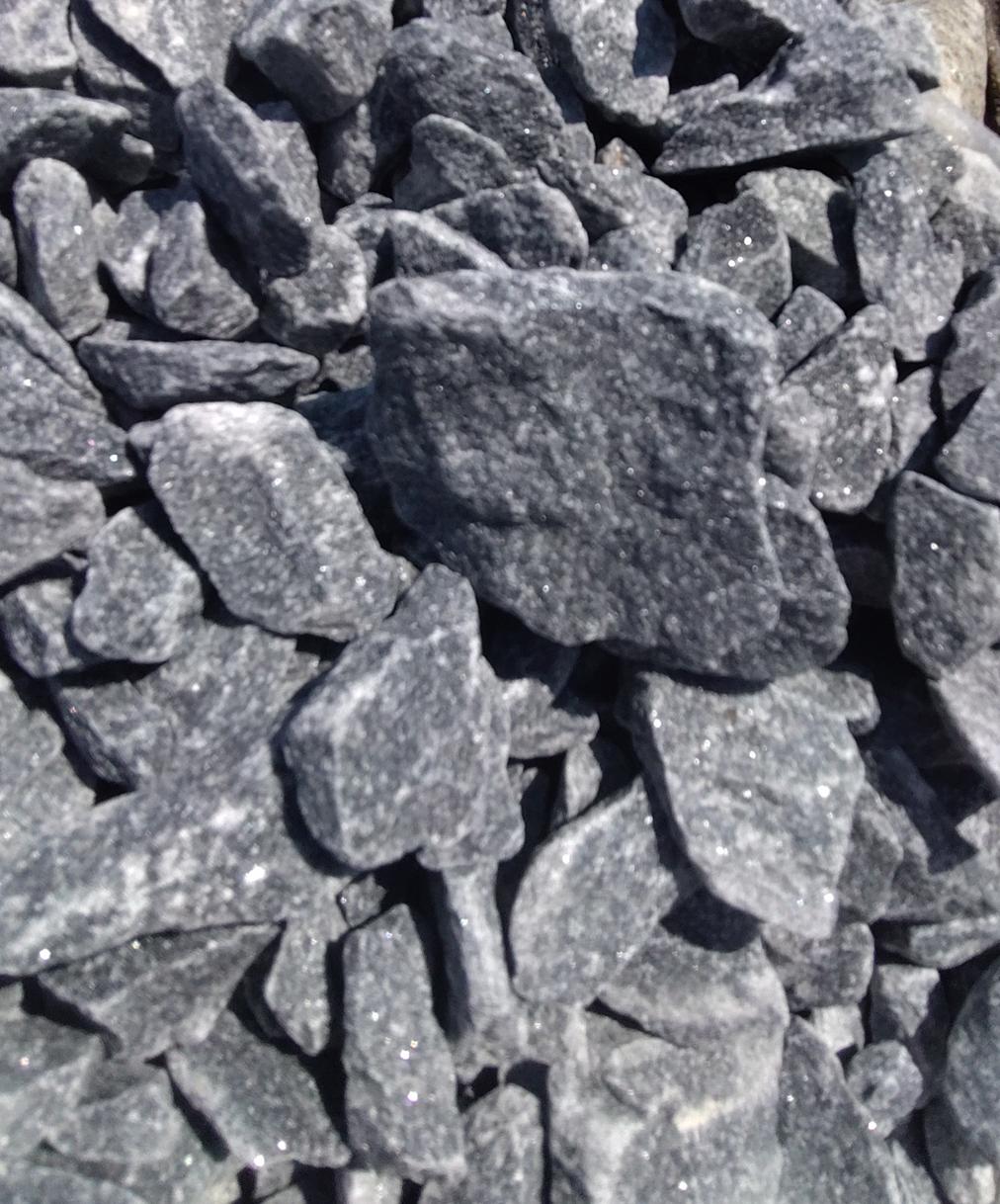
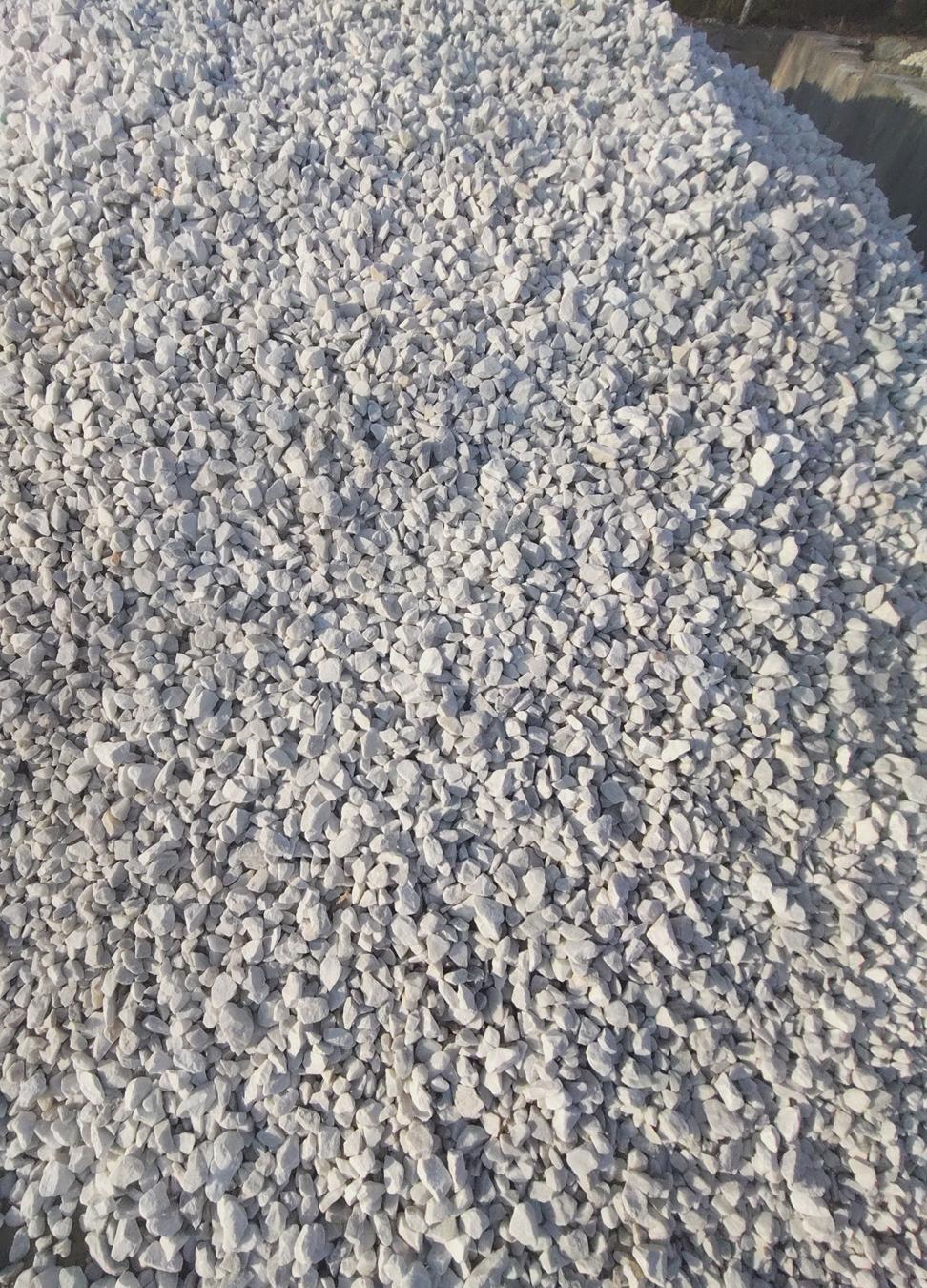
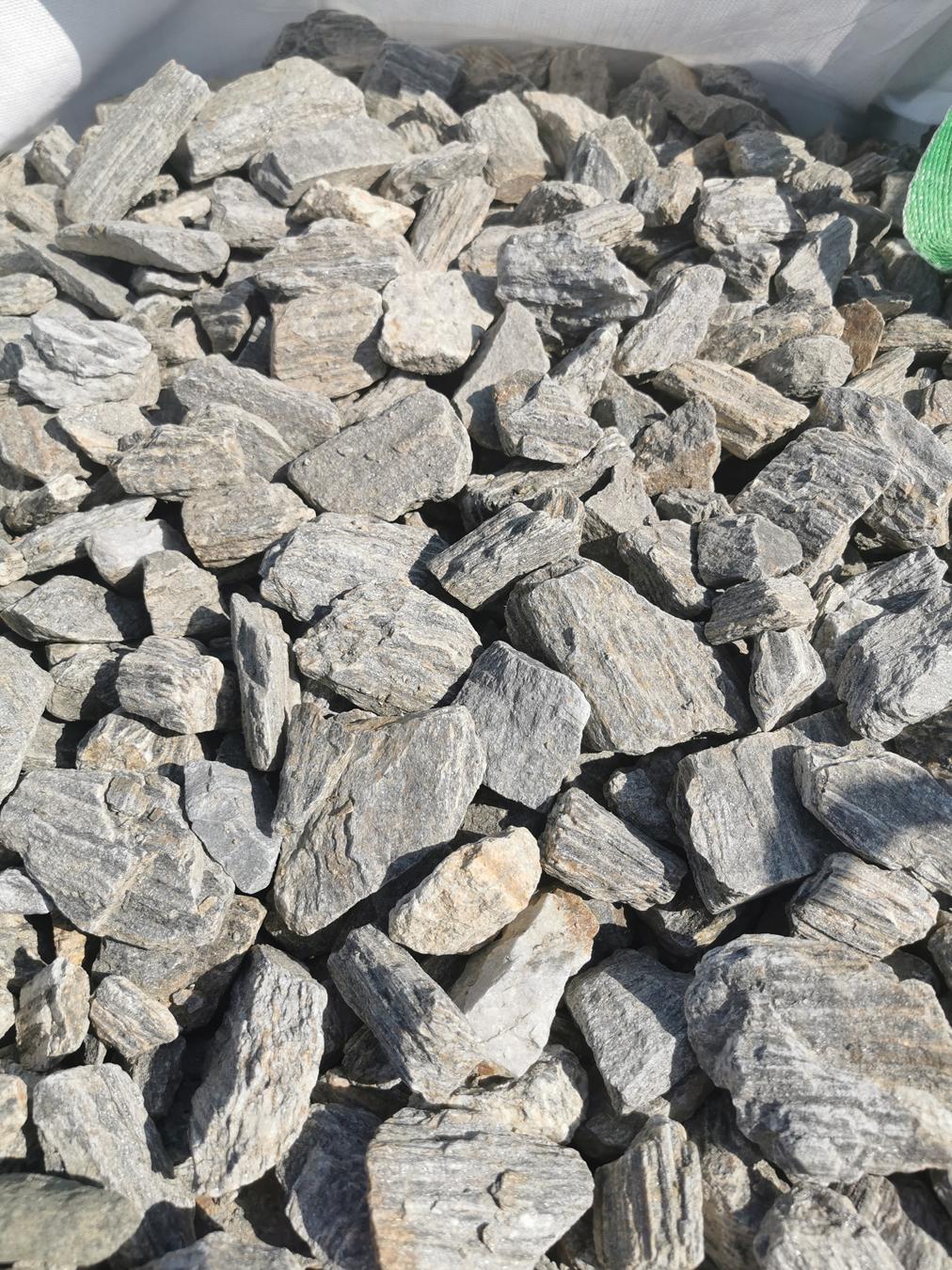
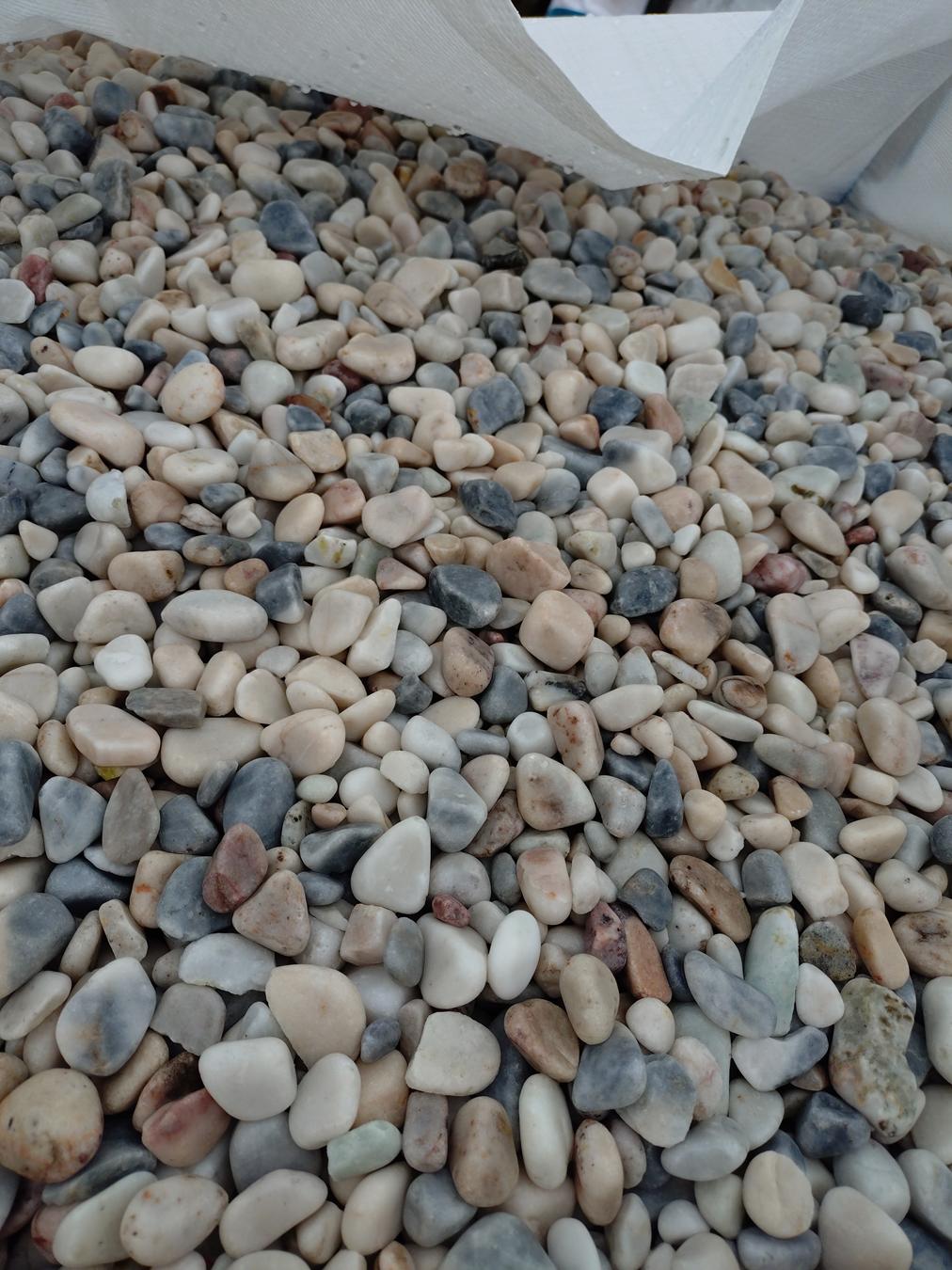
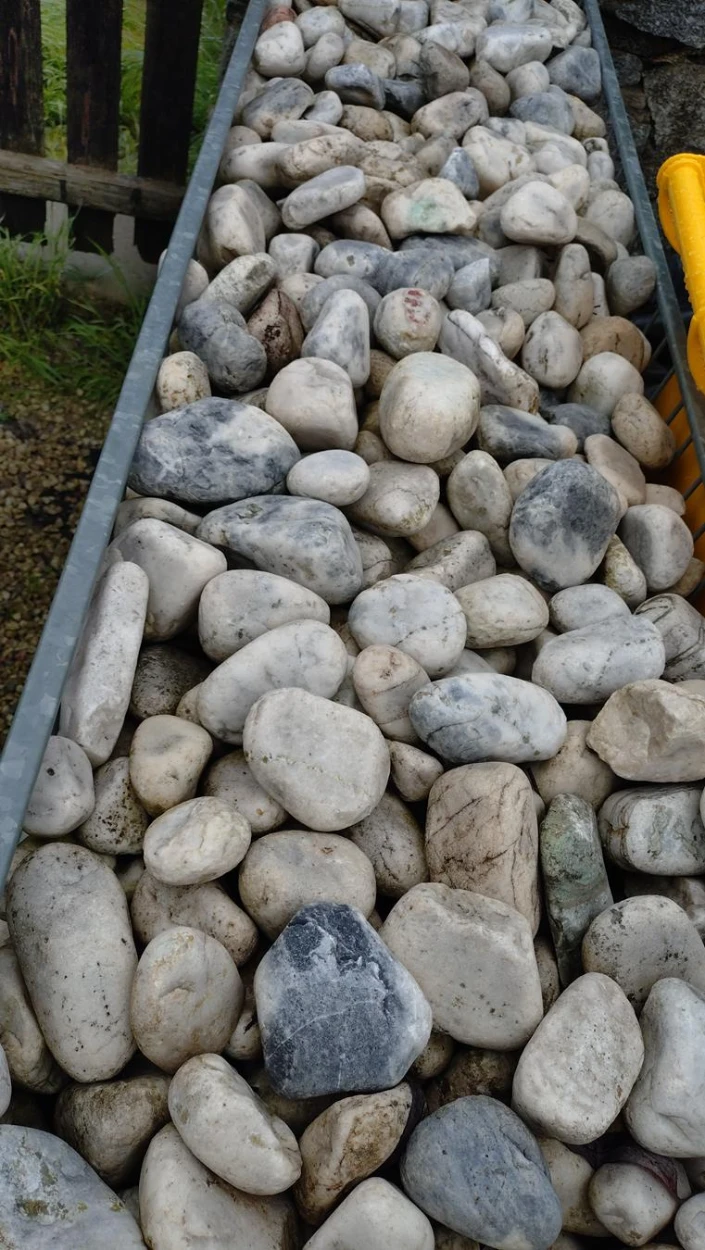
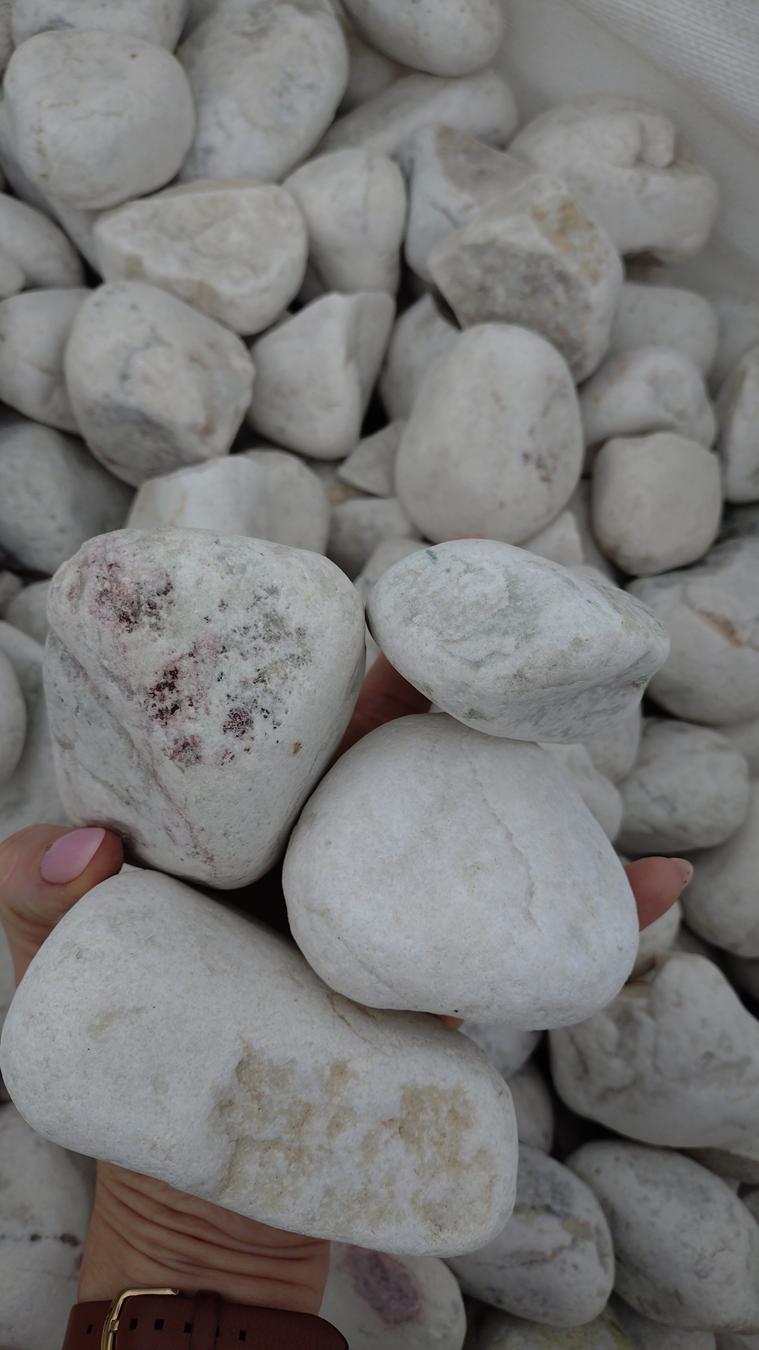
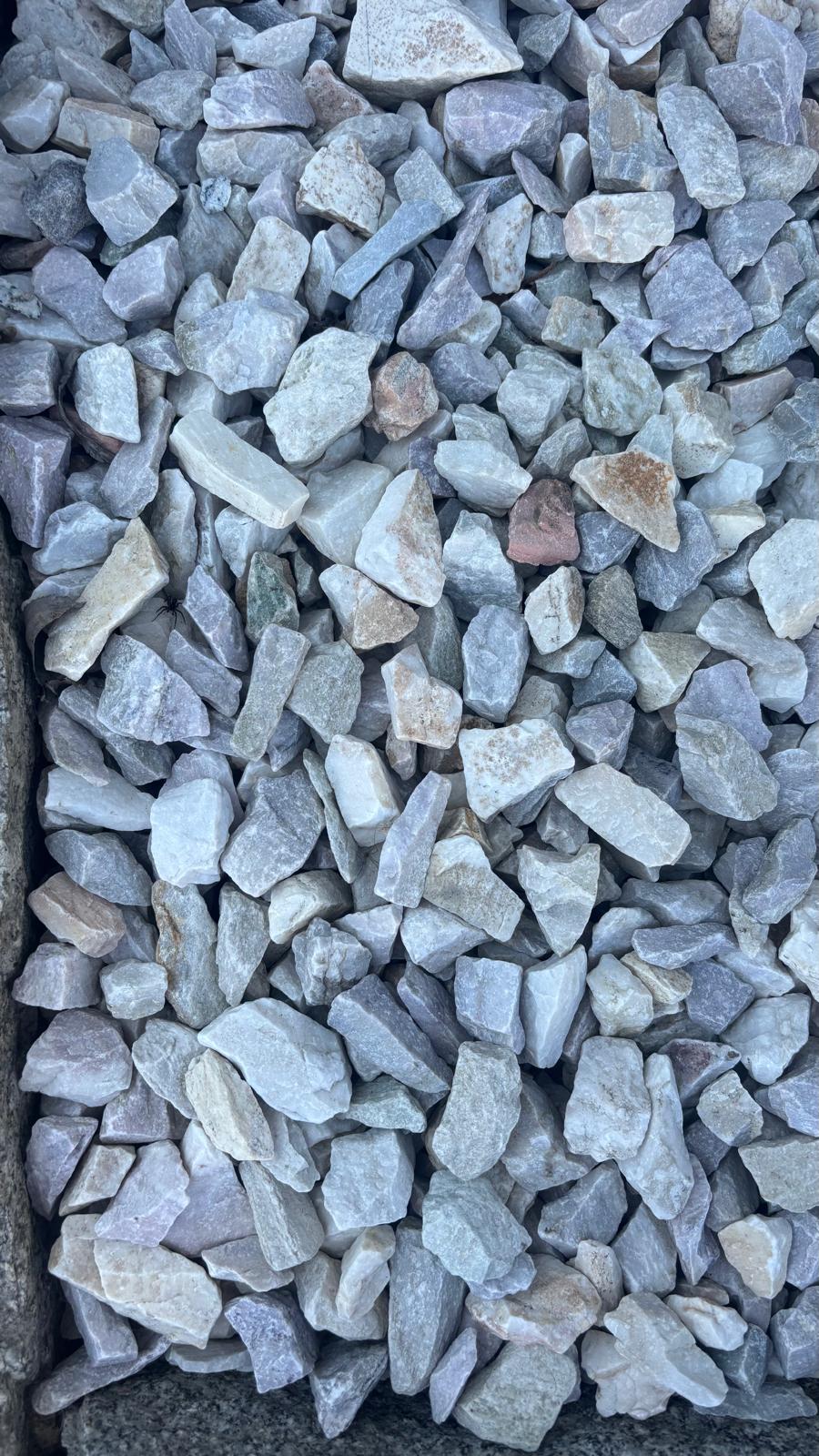
Biała Marianna Purple Lazur – 350 PLN / ton in a big bag
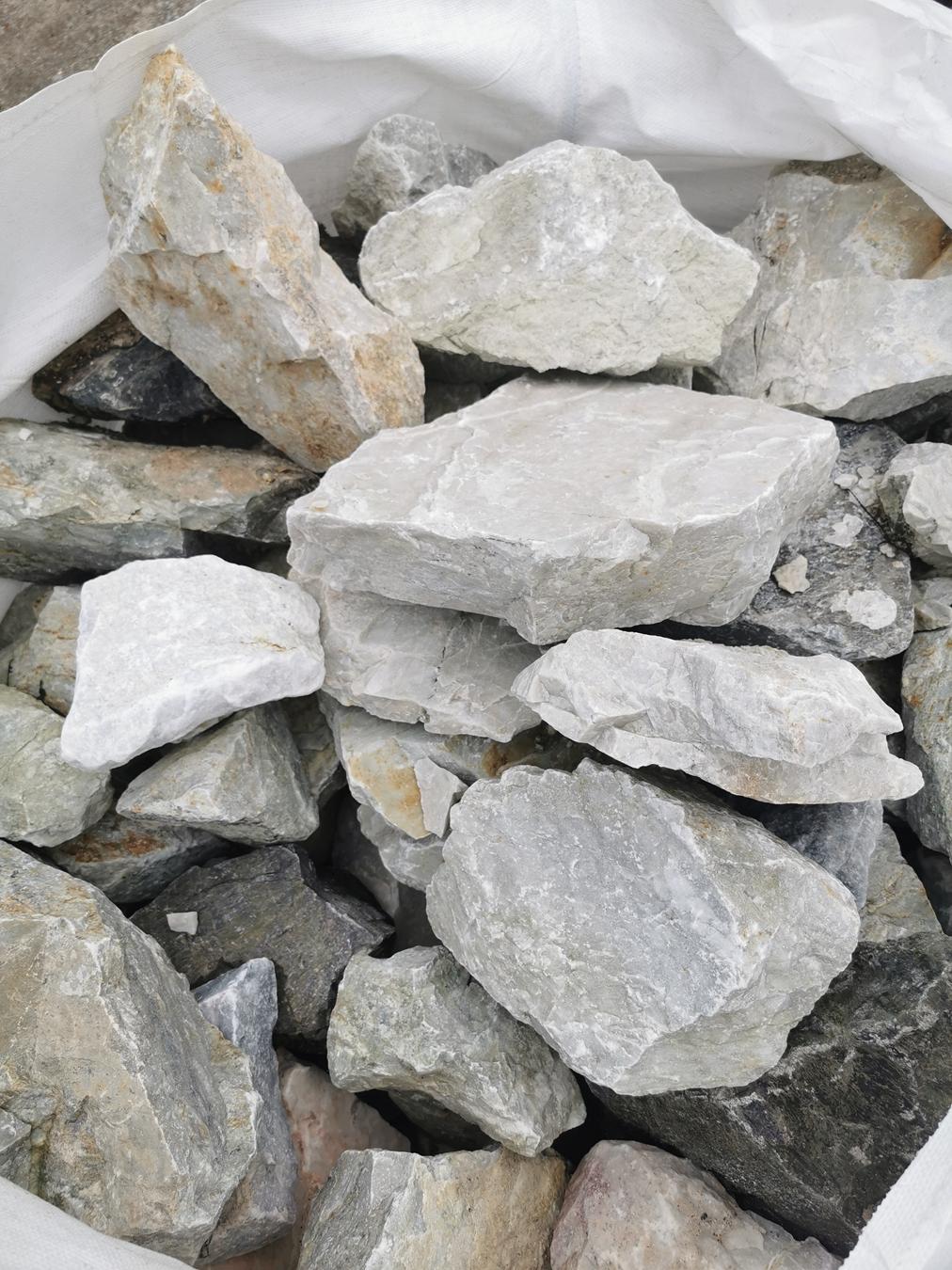
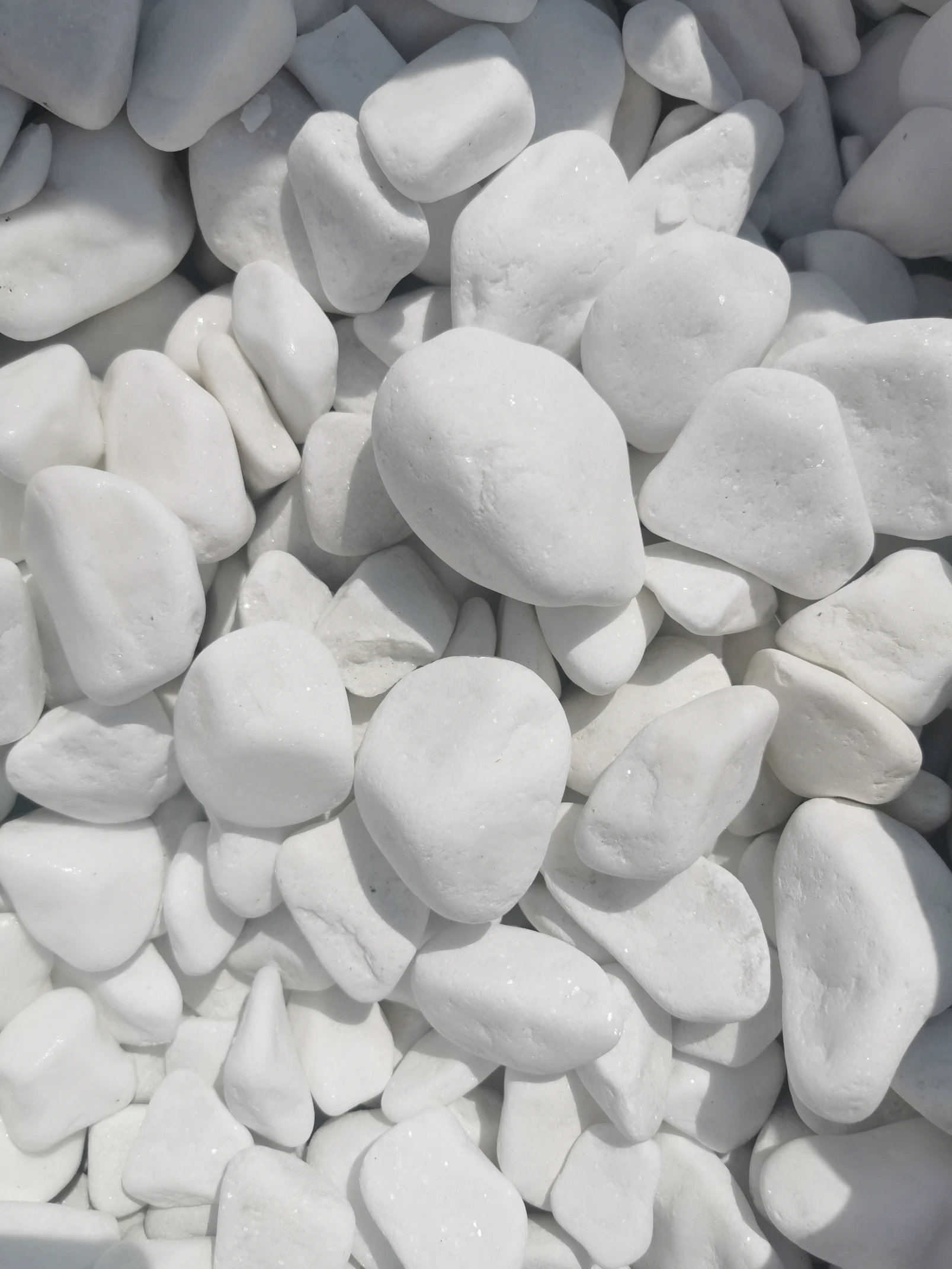
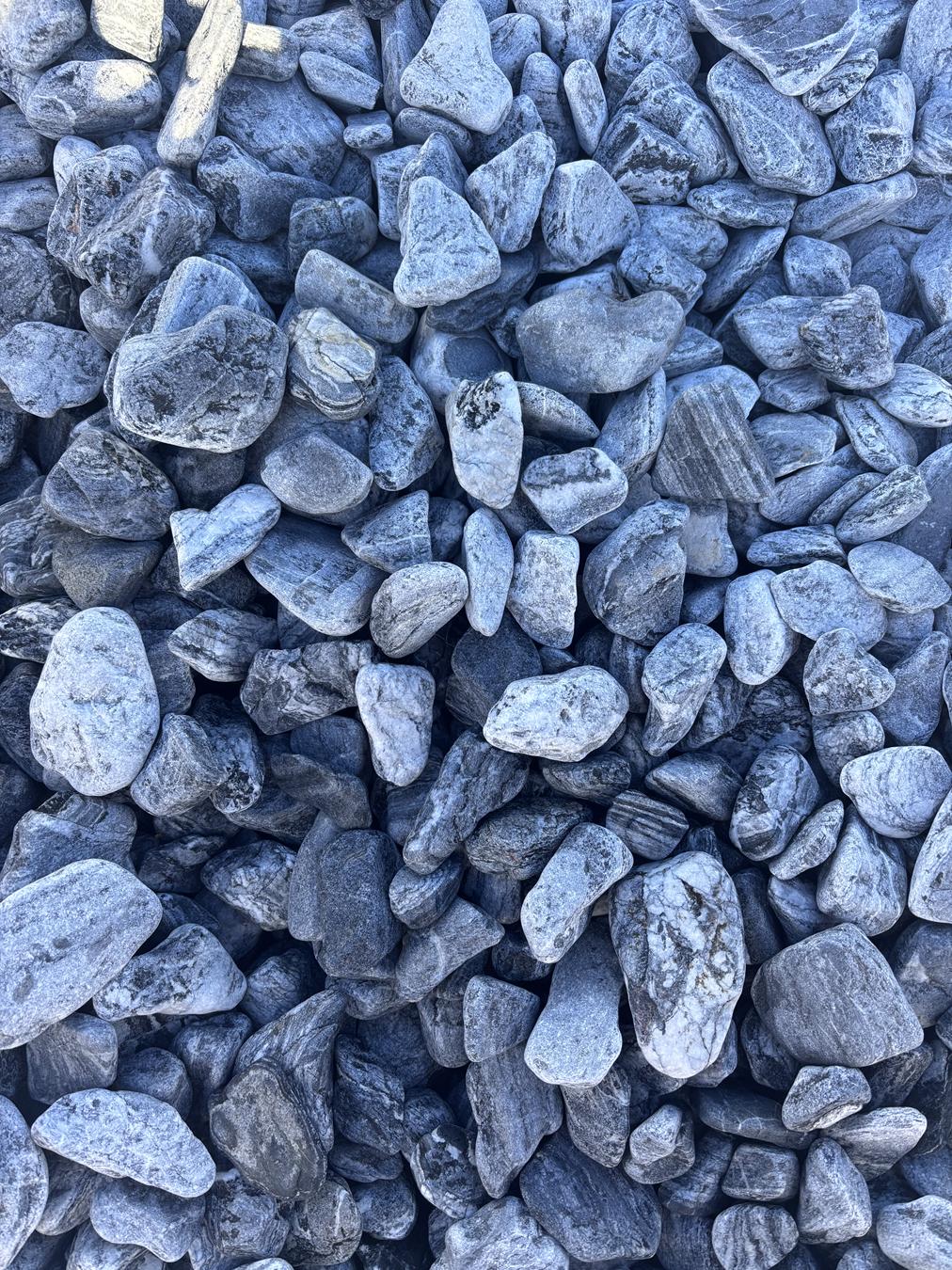
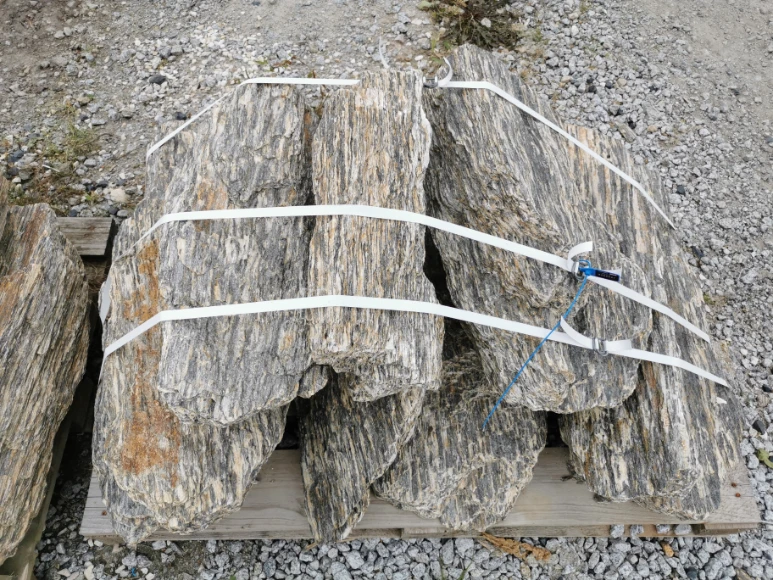
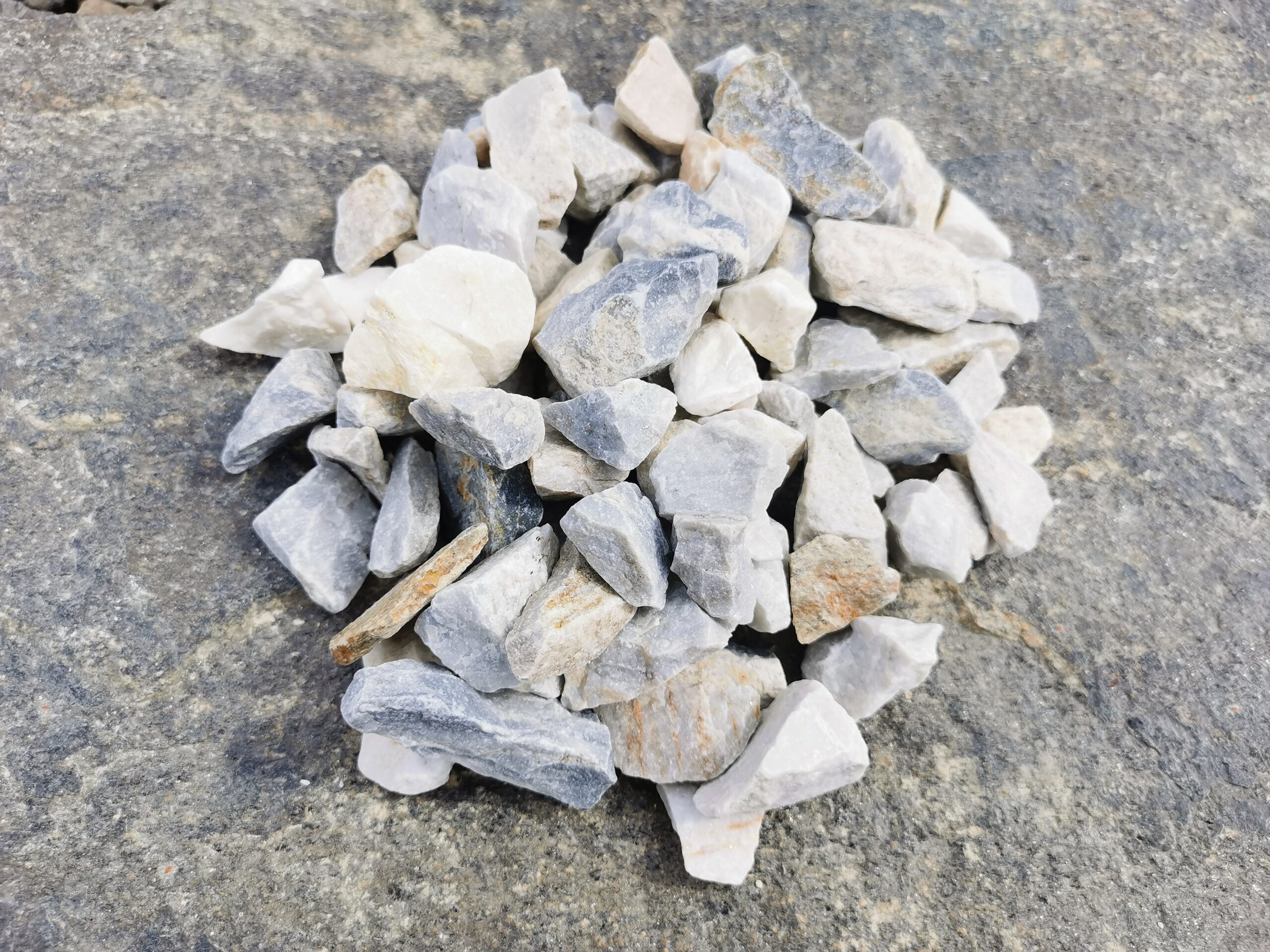
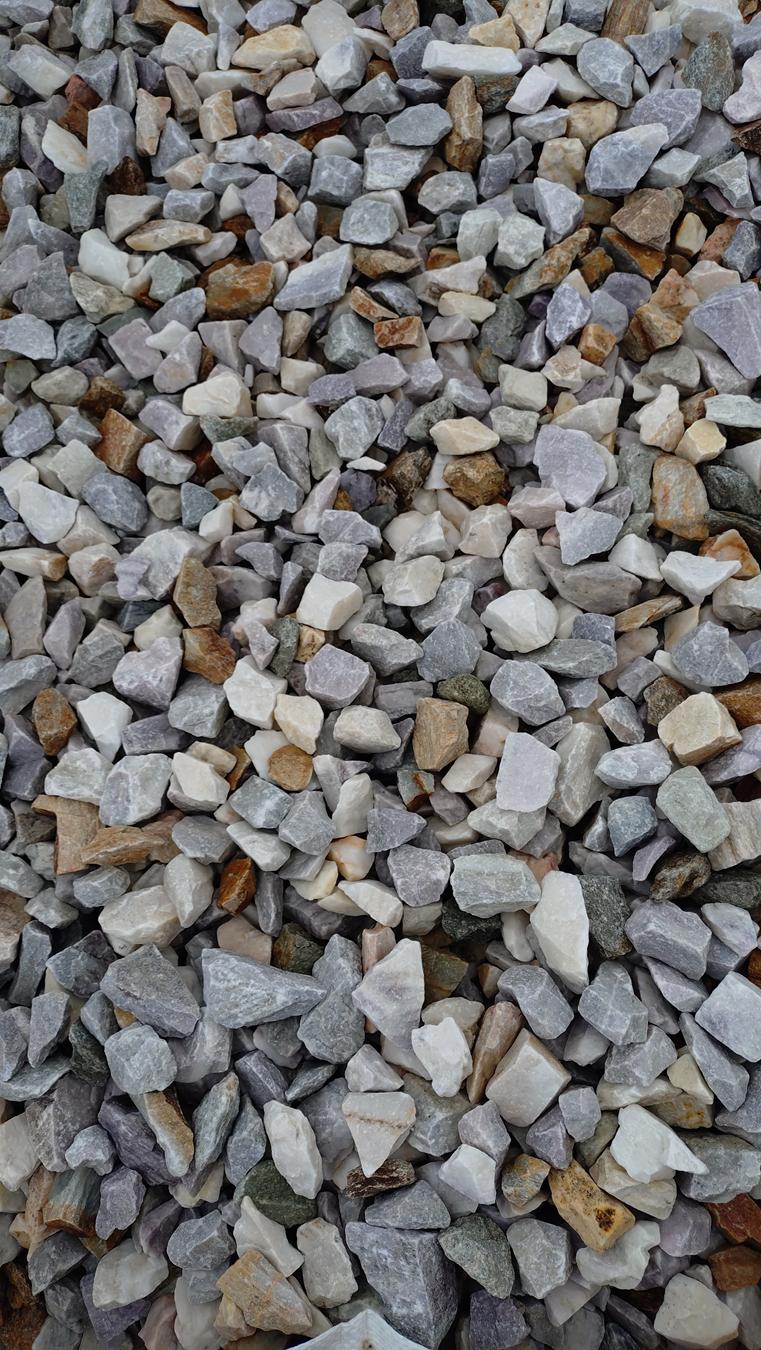
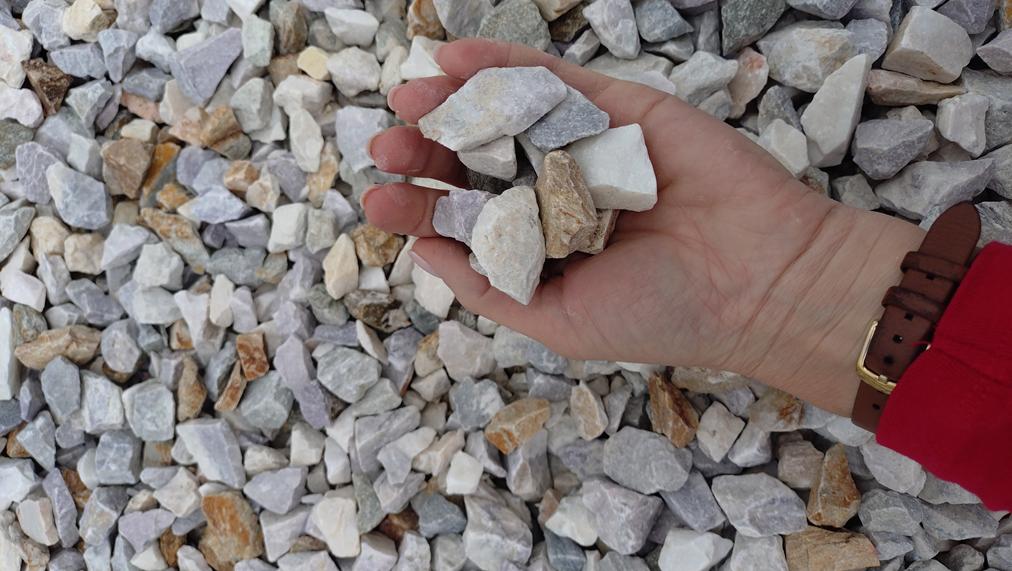
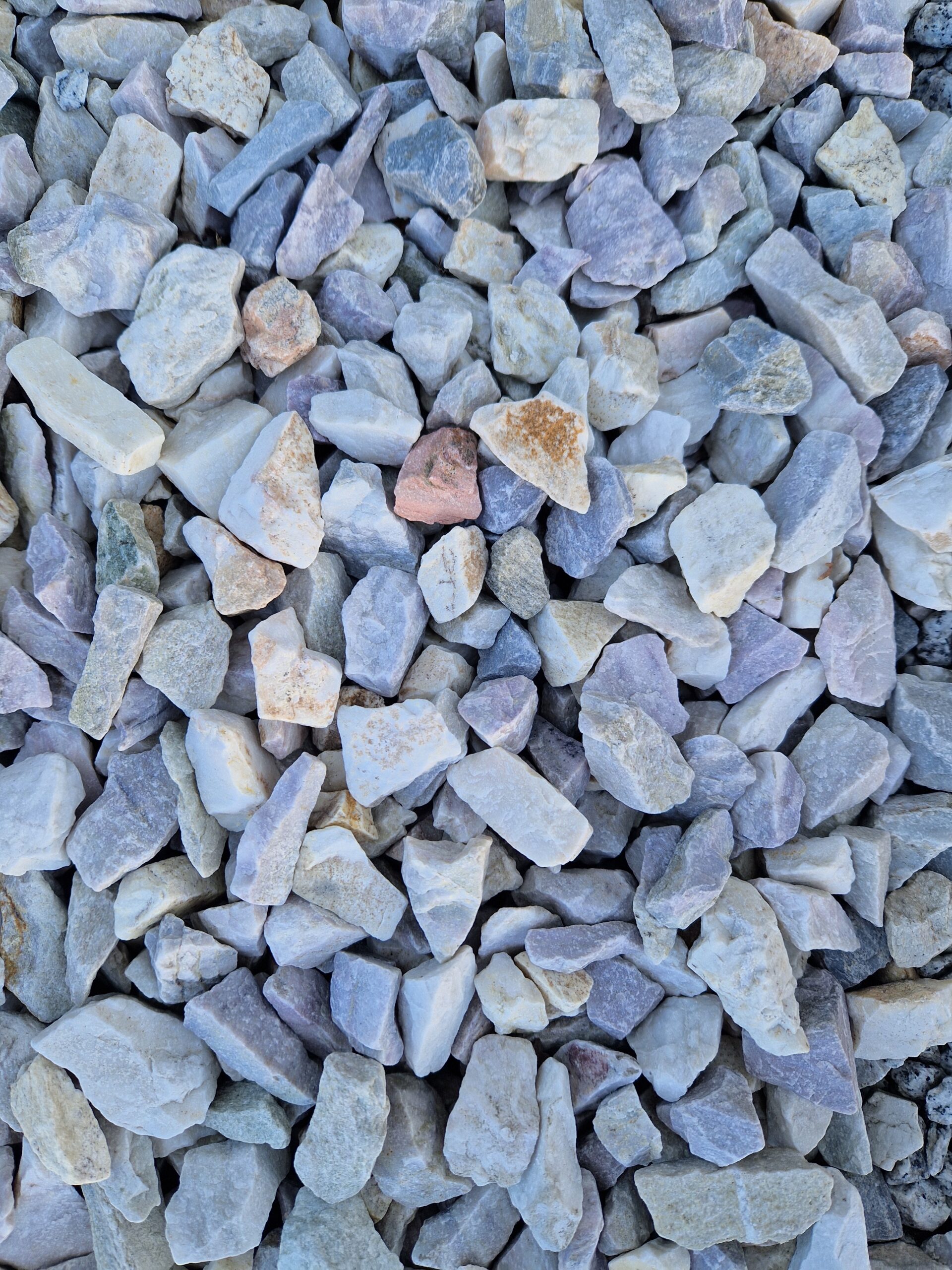
The base is still the classic Biała Marianna, in this case combined with beautiful shades of purple and pink. It is definitely a grit that attracts attention. When combined with colorful flowers during the spring and summer season, it looks like a pastel cloud. Subtle and very elegant despite its bold colors. It combines beautifully with greenery and is a stone that clearly adds energy and optimism to the space.
Most popular fractions and typical applications
| FRACTION | TYPICAL APPLICATION |
|---|
| 8–16 mm, 16–32 mm, 32–64 mm | Garden paths, walkways, borders around the house, terraces, garden ponds, drainage, larger flower beds, gabions, edging, urban compositions. |
Biała Marianna is an ideal choice if you want to brighten your garden, create elegant pastel compositions and do not plan extremely heavy use (such as heavy car traffic or exposure to acids).
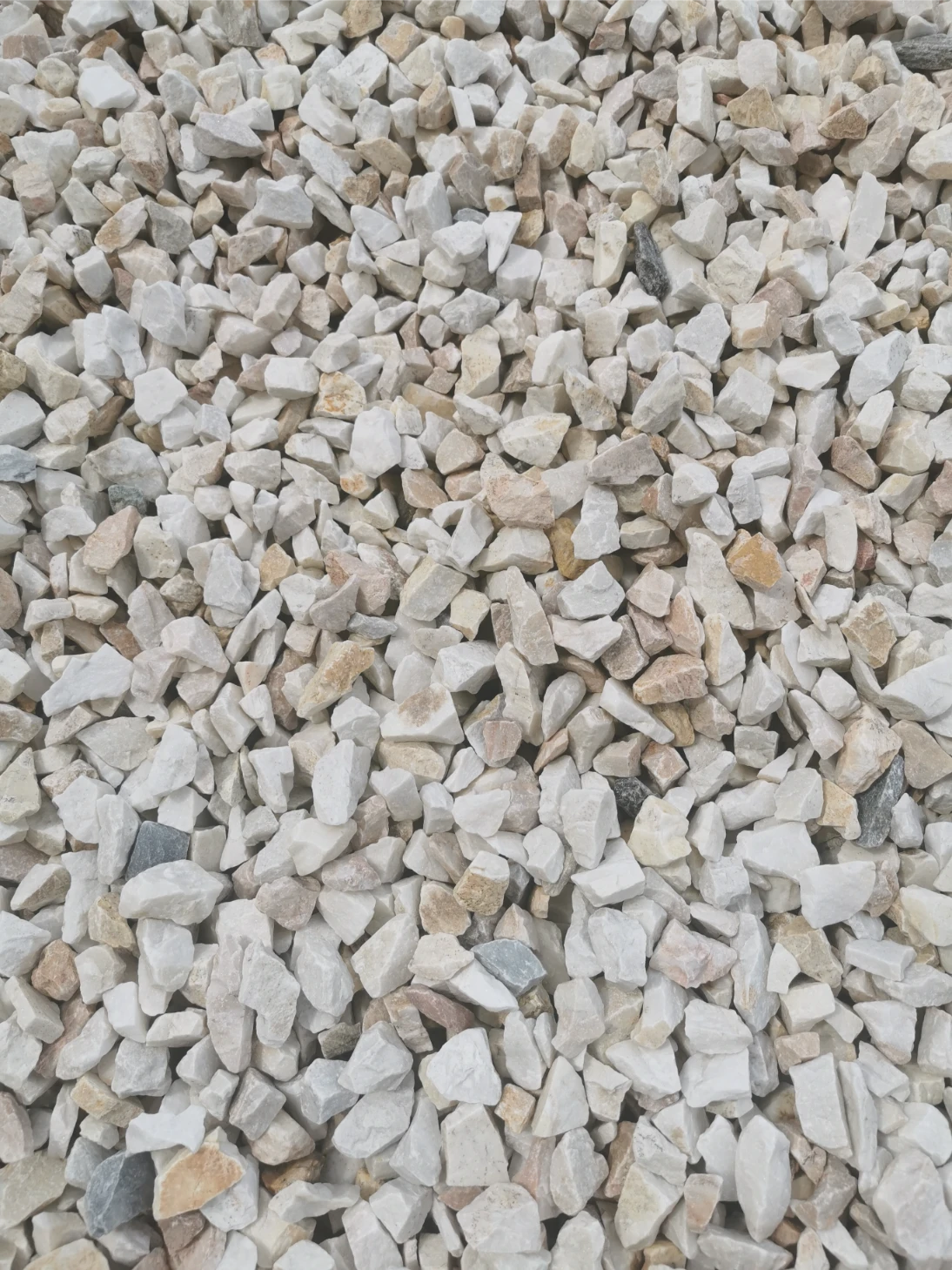
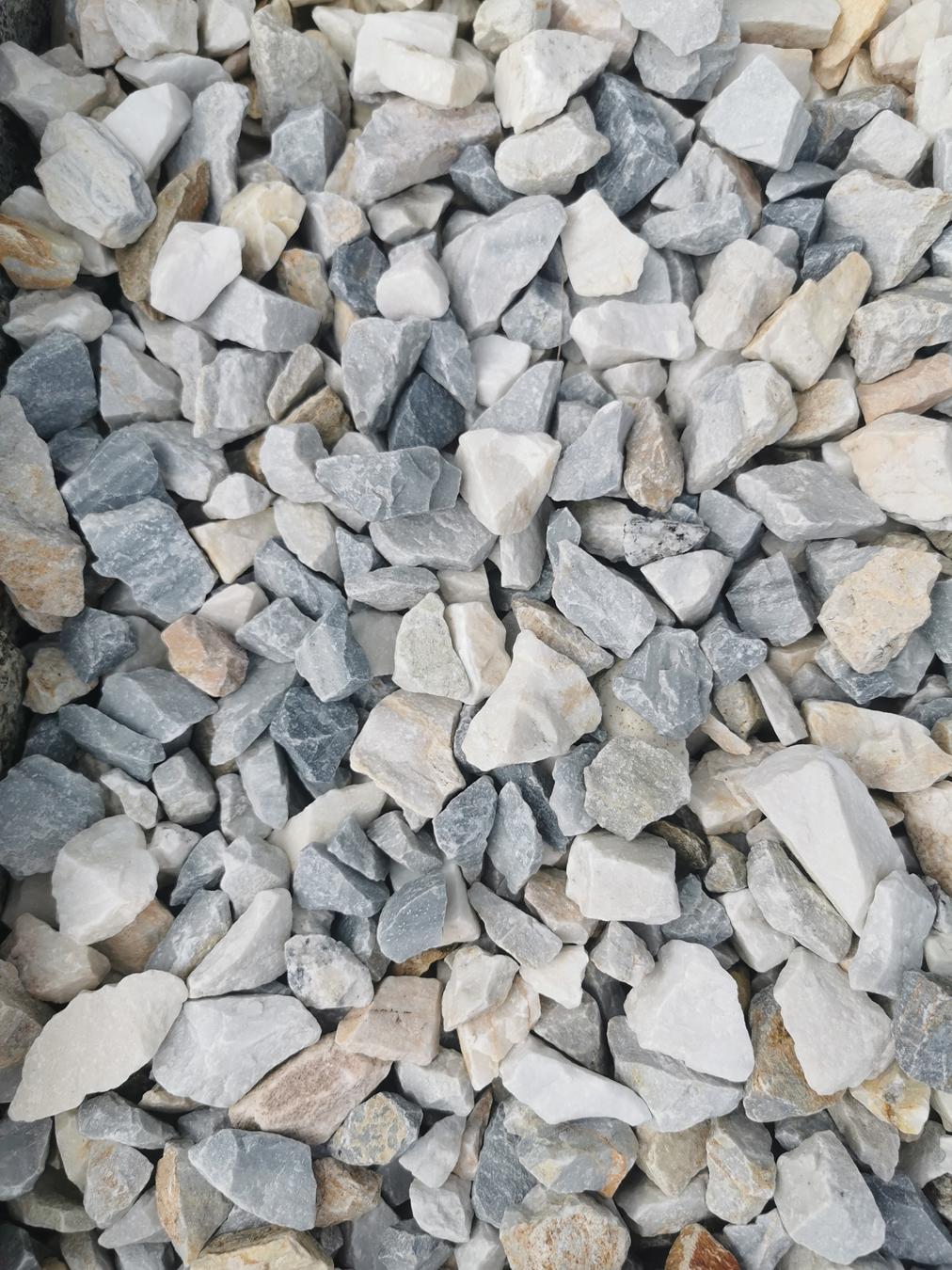
For us, its color appears more beige and warm compared to other white grits. It is certainly perfect for lovers of classic elegance as well as traditional gardens. It combines beautifully with warm colors or brown bark mulch. The most popular fractions are 16–32 mm and 32–64 mm, with the latter drawing attention to the form within planting beds – the larger stones look very attractive, highlight plants and are easier to clean.
Recommended for traditional gardens, manor-style gardens, naturalistic gardens, French gardens, rustic / countryside gardens, minimalist gardens and English gardens.
Take a look at our Facebook page and see how this material looks:
https://www.facebook.com/photo/?fbid=122094274520815149&set=pcb.122094255710815149
Key properties of Biała Marianna grit
- Rock type — metamorphic marble (crystalline limestone), medium- to coarse-crystalline
- Color — white-cream / pastel cream, often with subtle light pink, pale yellow or beige discolorations (color may vary slightly between batches due to the natural deposit)
- Hardness — relatively high for marble (approx. 3–4 on the Mohs scale), good mechanical resistance but clearly lower than granite or basalt
- Frost resistance — very good / fully frost-resistant in the Polish climate (class F1–F2)
- Water absorption — low to medium (usually 0.5–2%, in good batches below 1%), but higher than basalt or granite → may absorb moisture and become dirty faster
- Abrasion resistance — medium (LA index approx. 30–45, weaker than granite and basalt), not recommended for heavily used driveways
- Acid resistance — low (typical for marbles / limestones) → reacts with acids (e.g., vinegar, acid rain, fertilizers), may become matte or slowly dissolve
- Aesthetics — bright, elegant, brightens the garden, combines very well with plants and both modern and classic arrangements
- Natural, ecological, without artificial dyes
Remember that every white stone requires cleaning. If it is used in planting beds, after the season when leaves and flowers fall and nature prepares for winter, such beds should be cleaned – leaves should be blown out, ornamental grasses tied and the space prepared for the winter period.
In spring, after rains and snow which contain a large amount of impurities, the grit should be rinsed with a pressure washer. Such cleaning will keep the planting bed attractive for many years.