

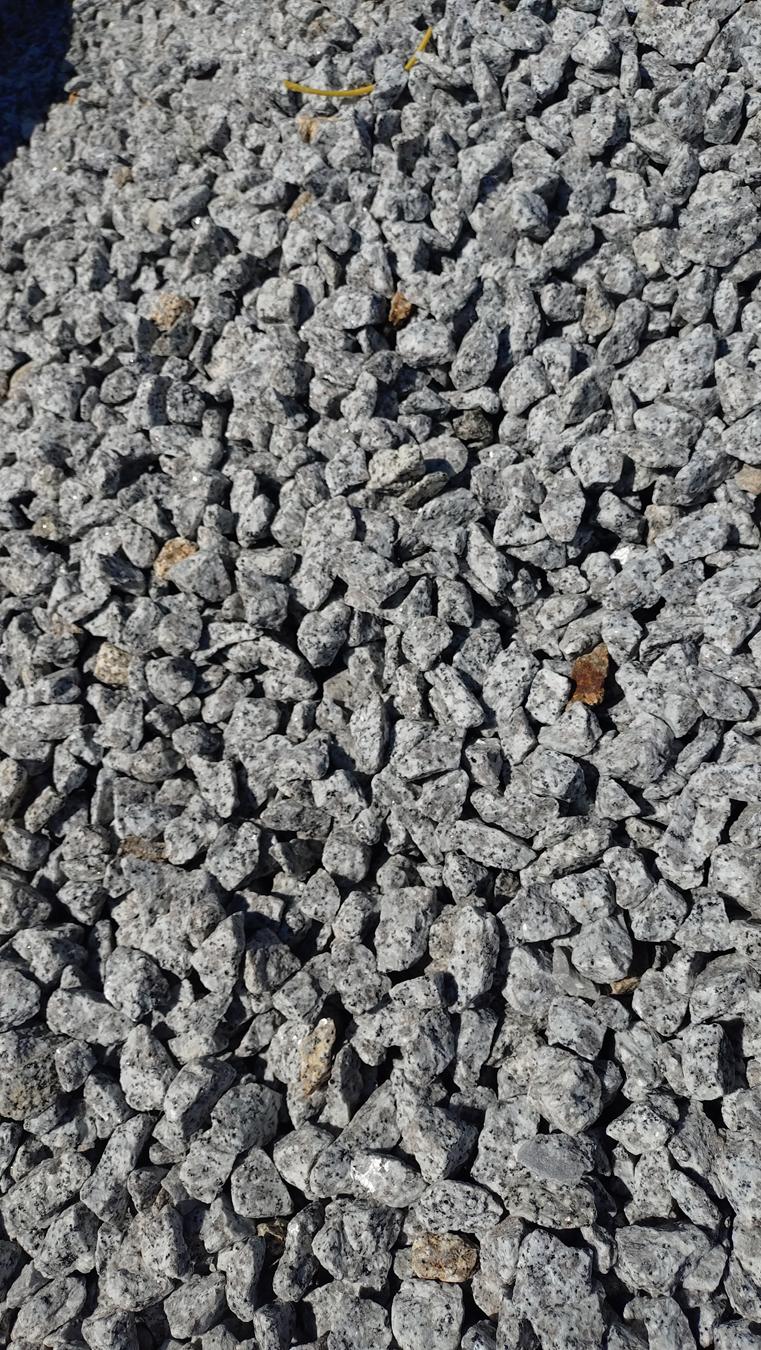
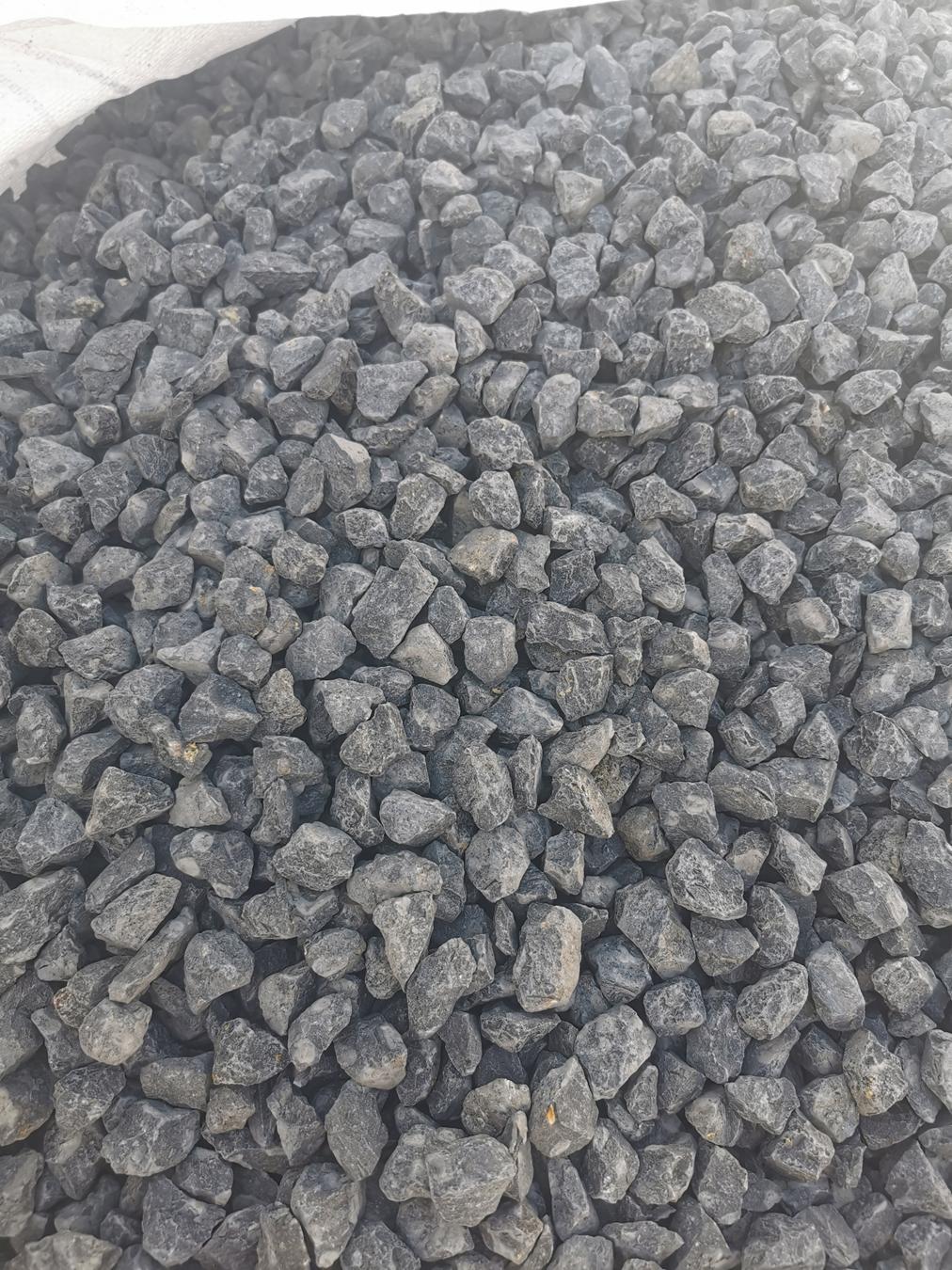
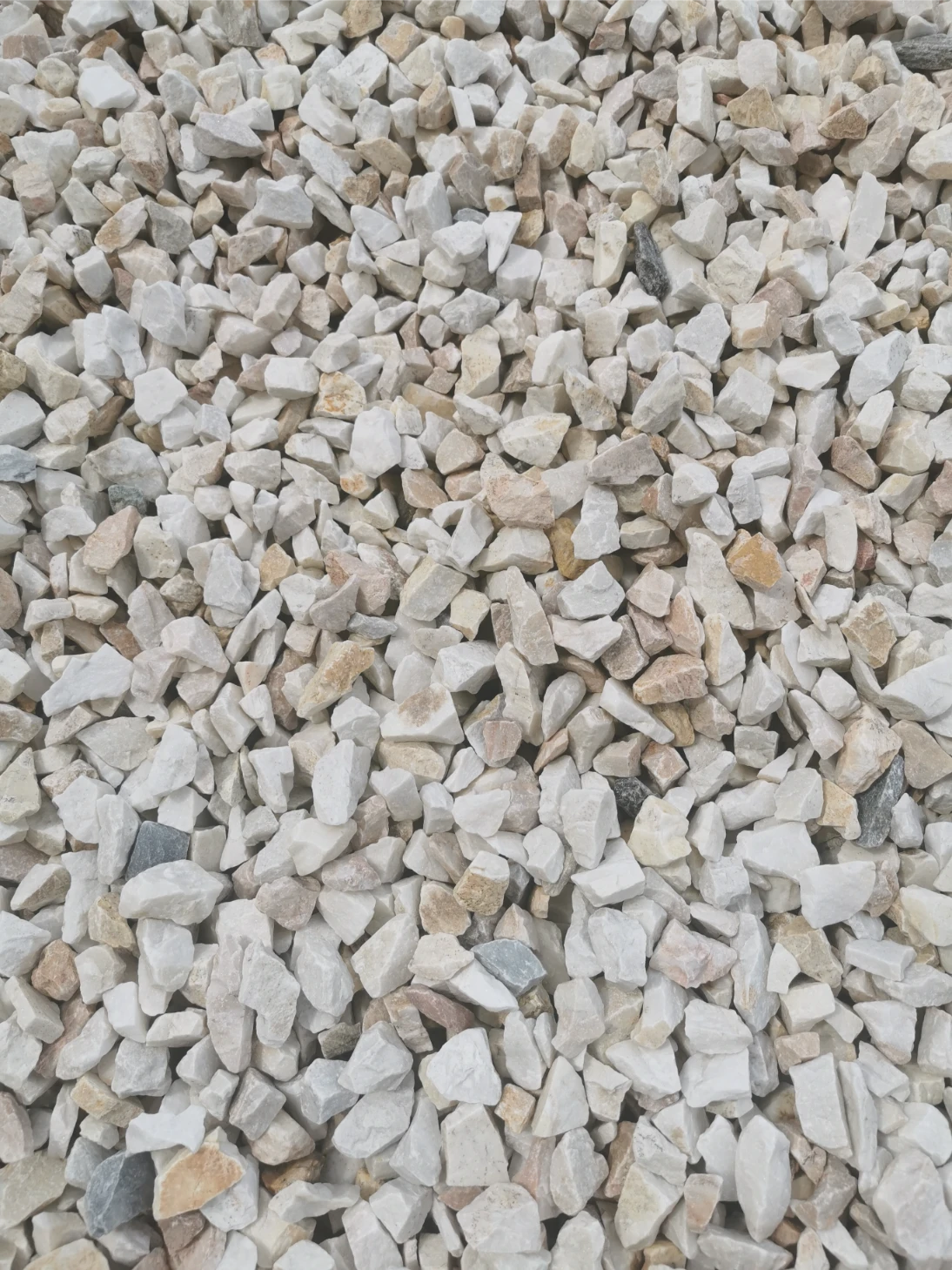
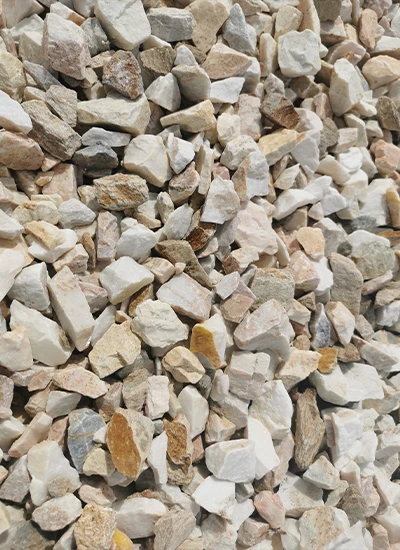
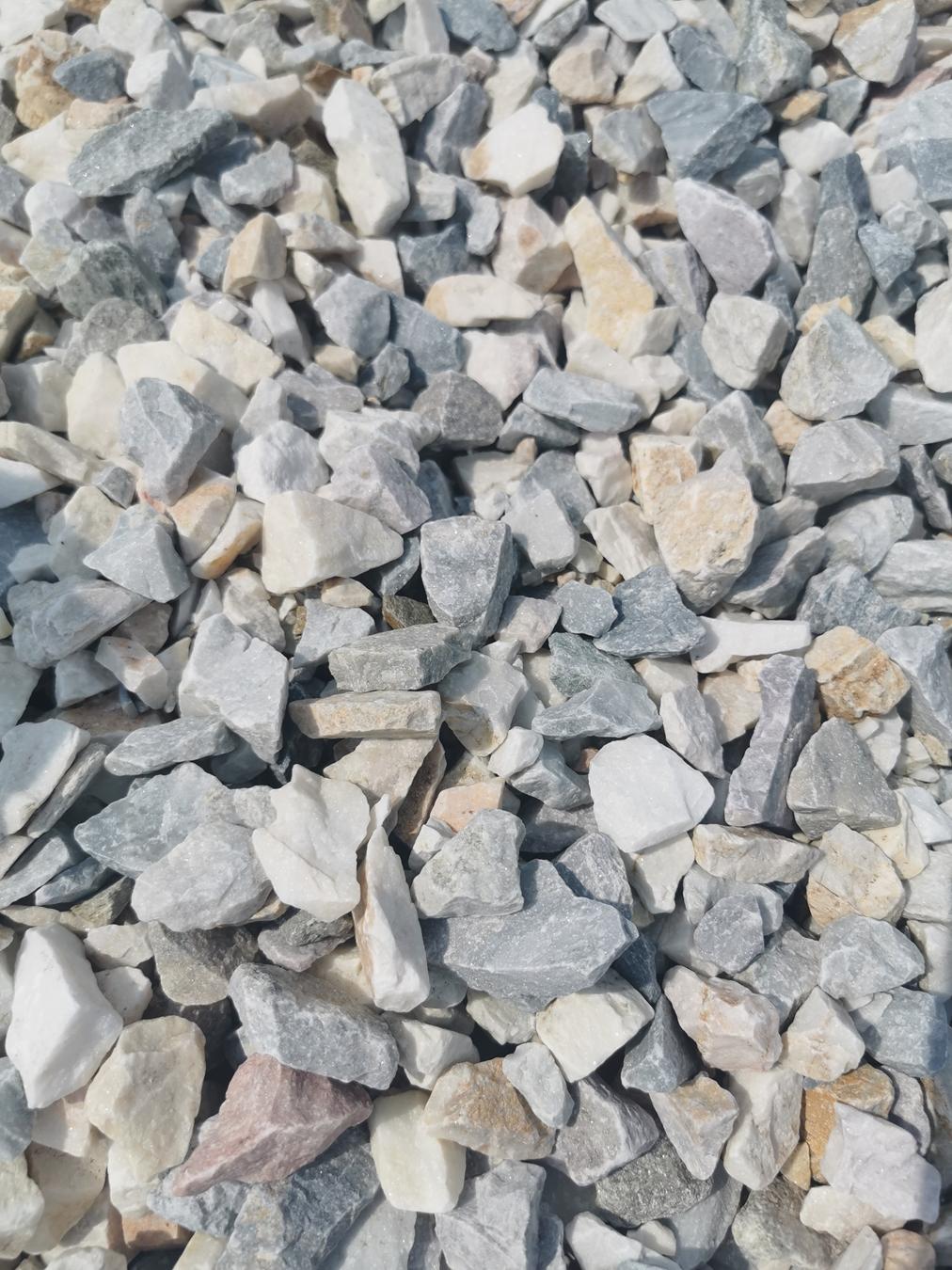
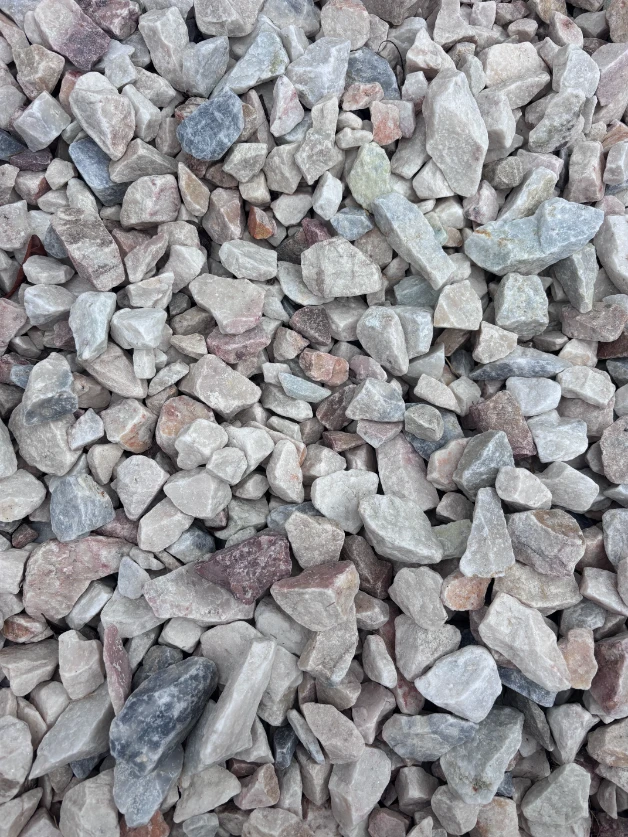
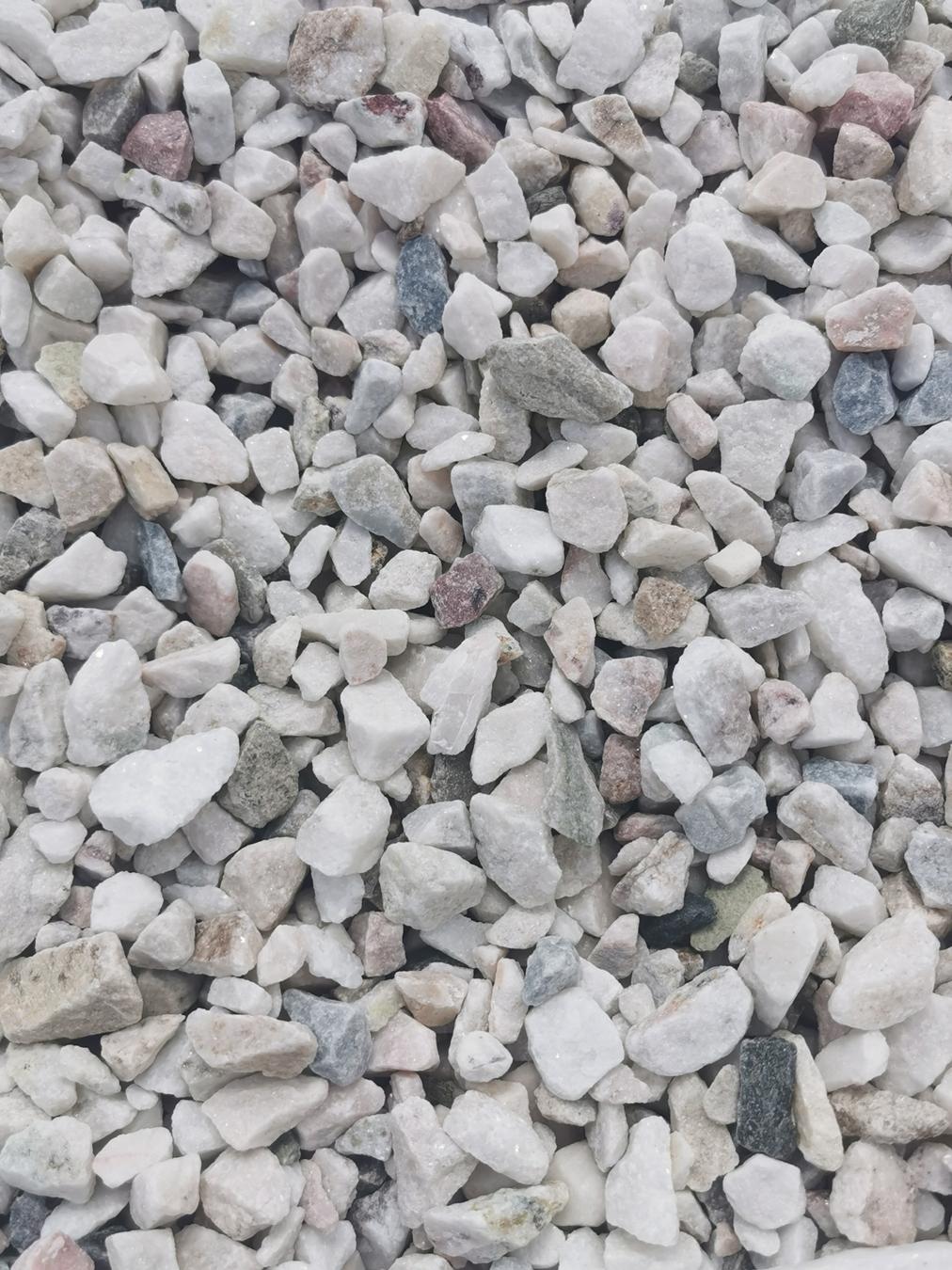
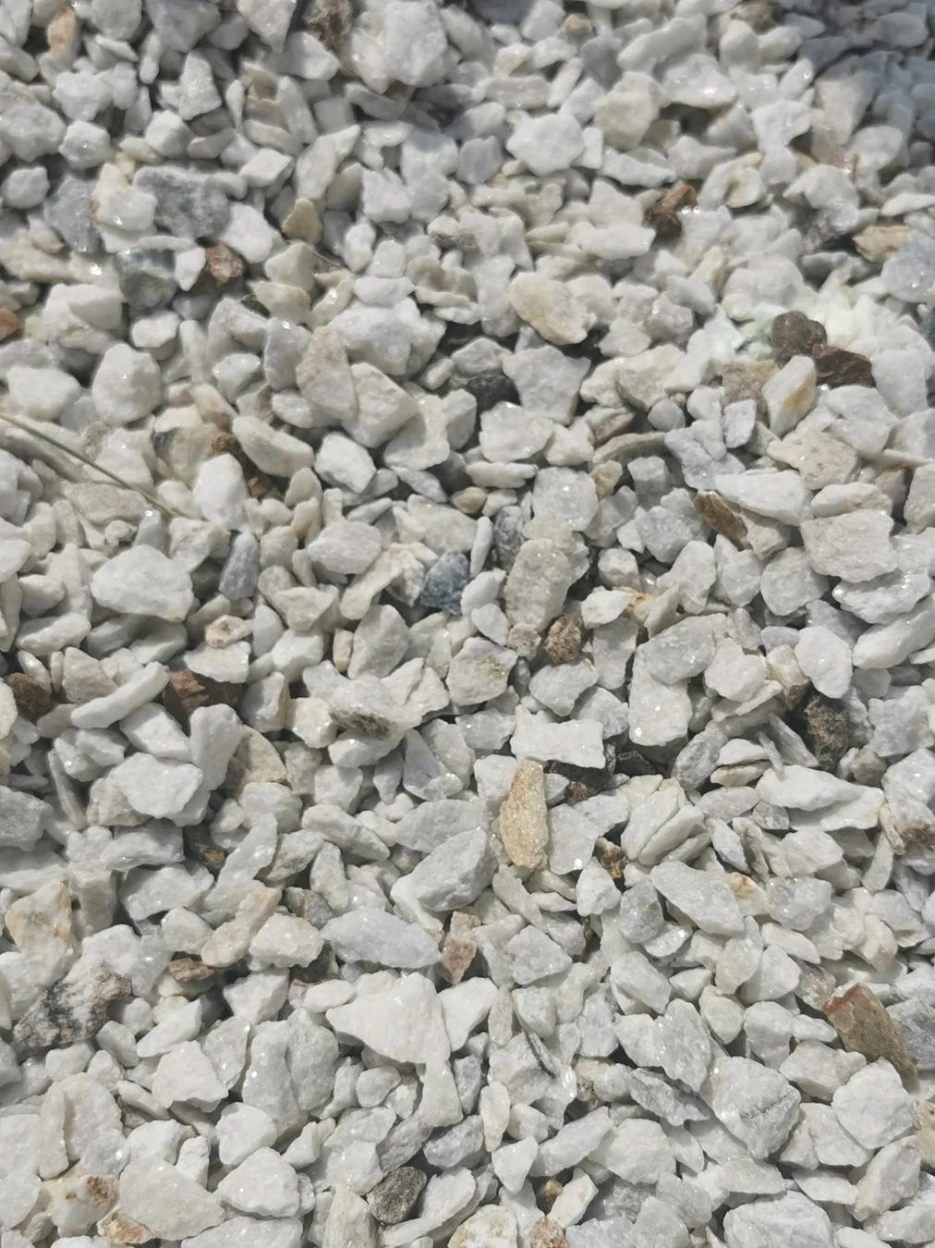
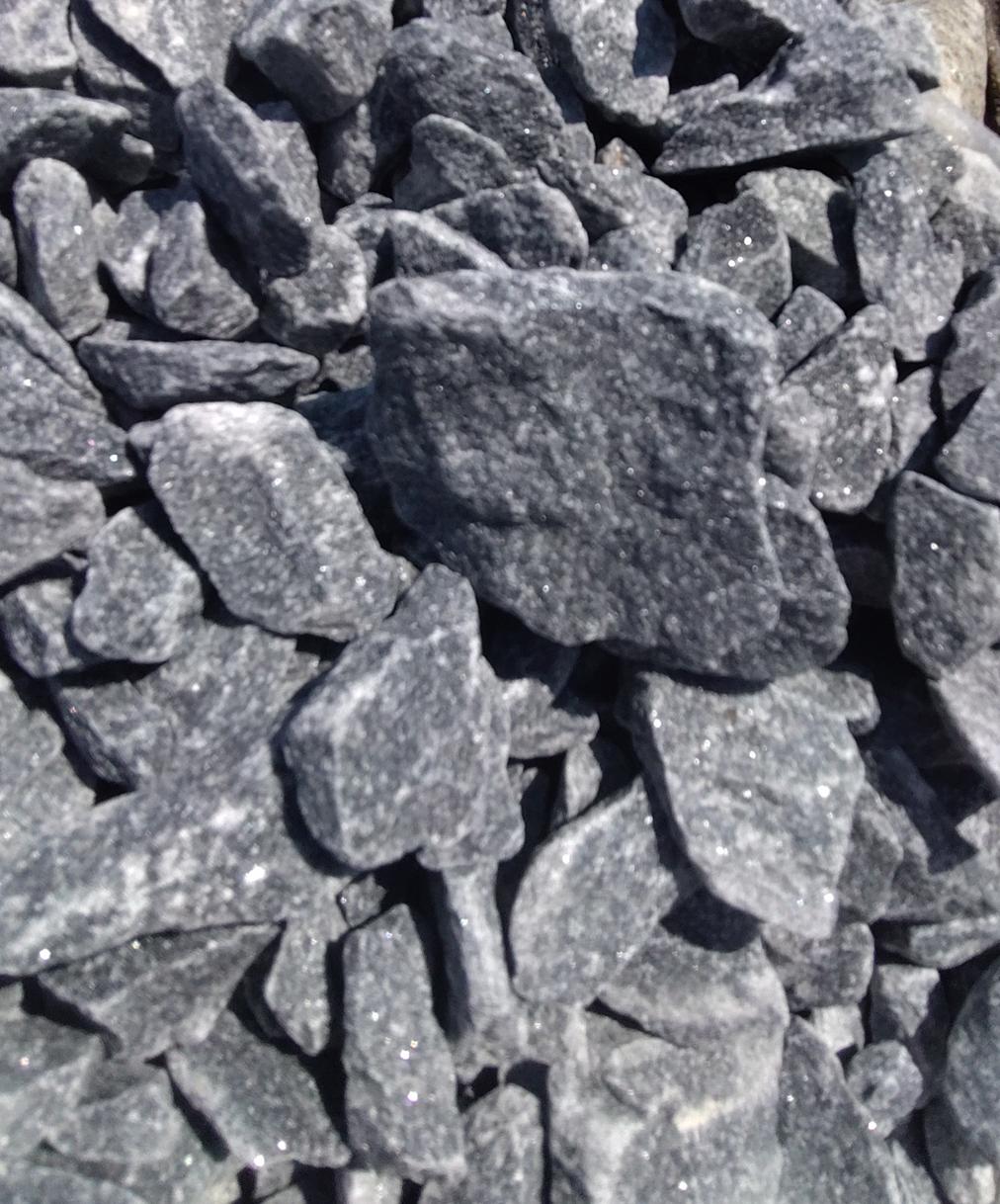
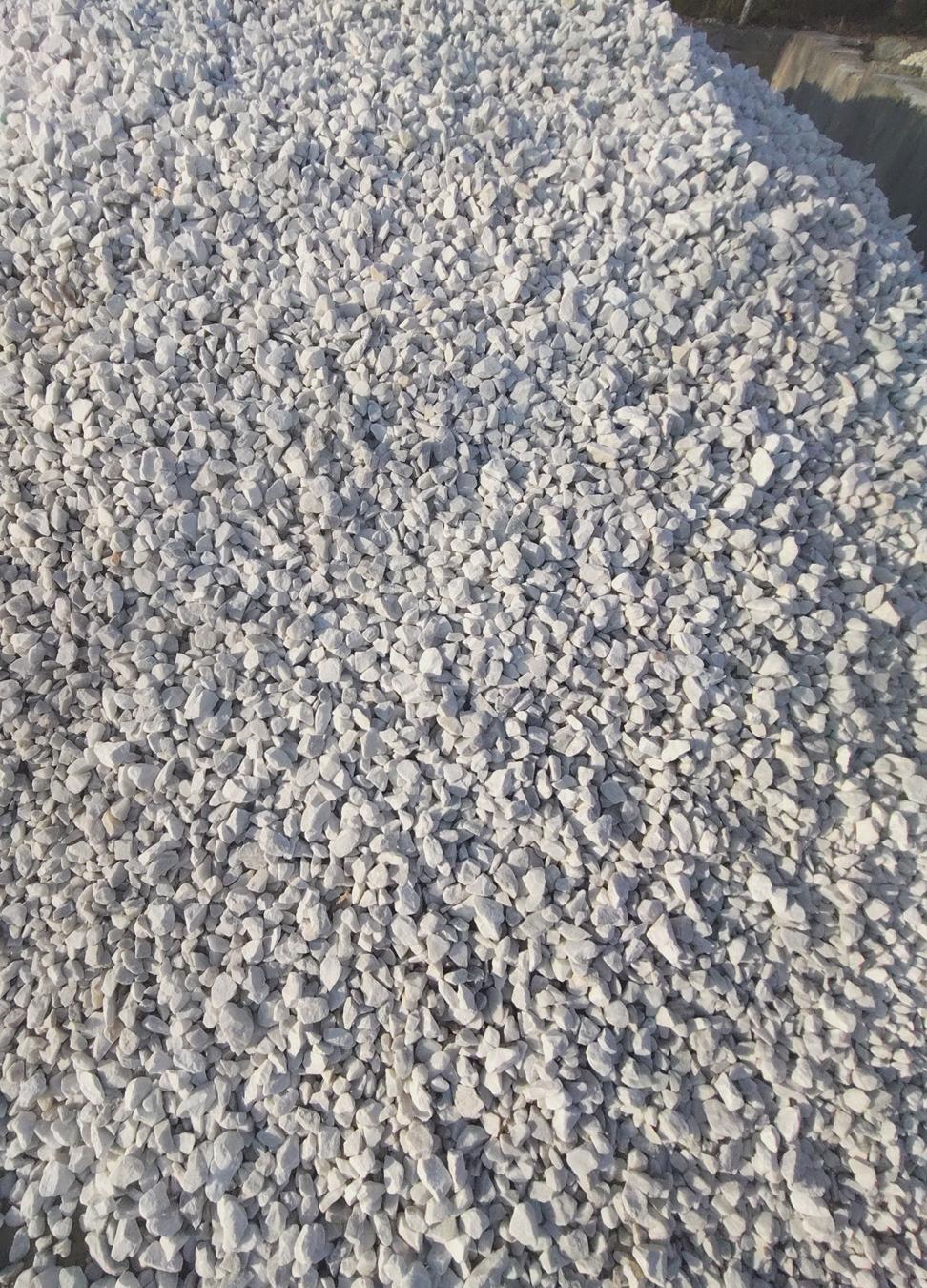

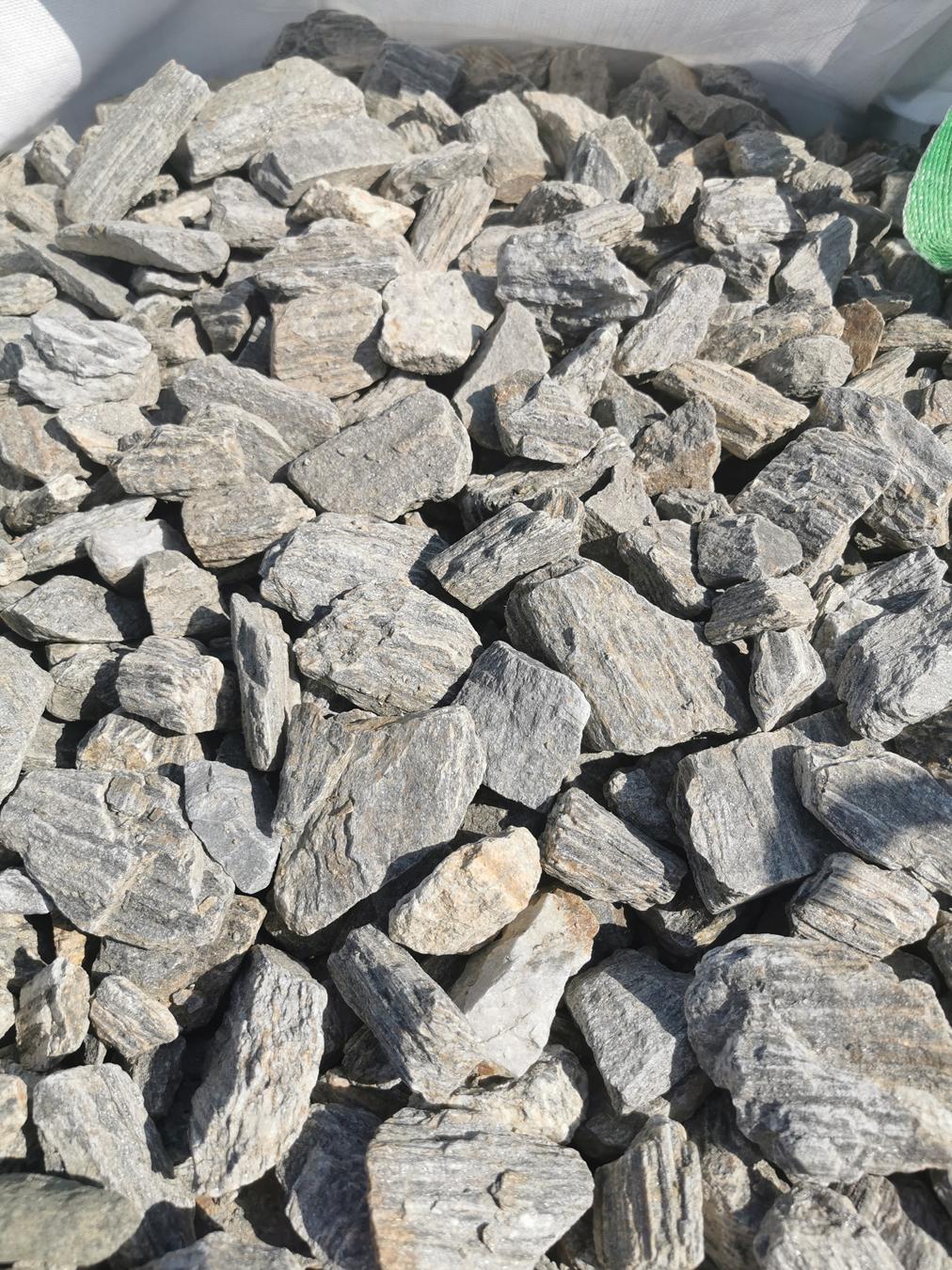
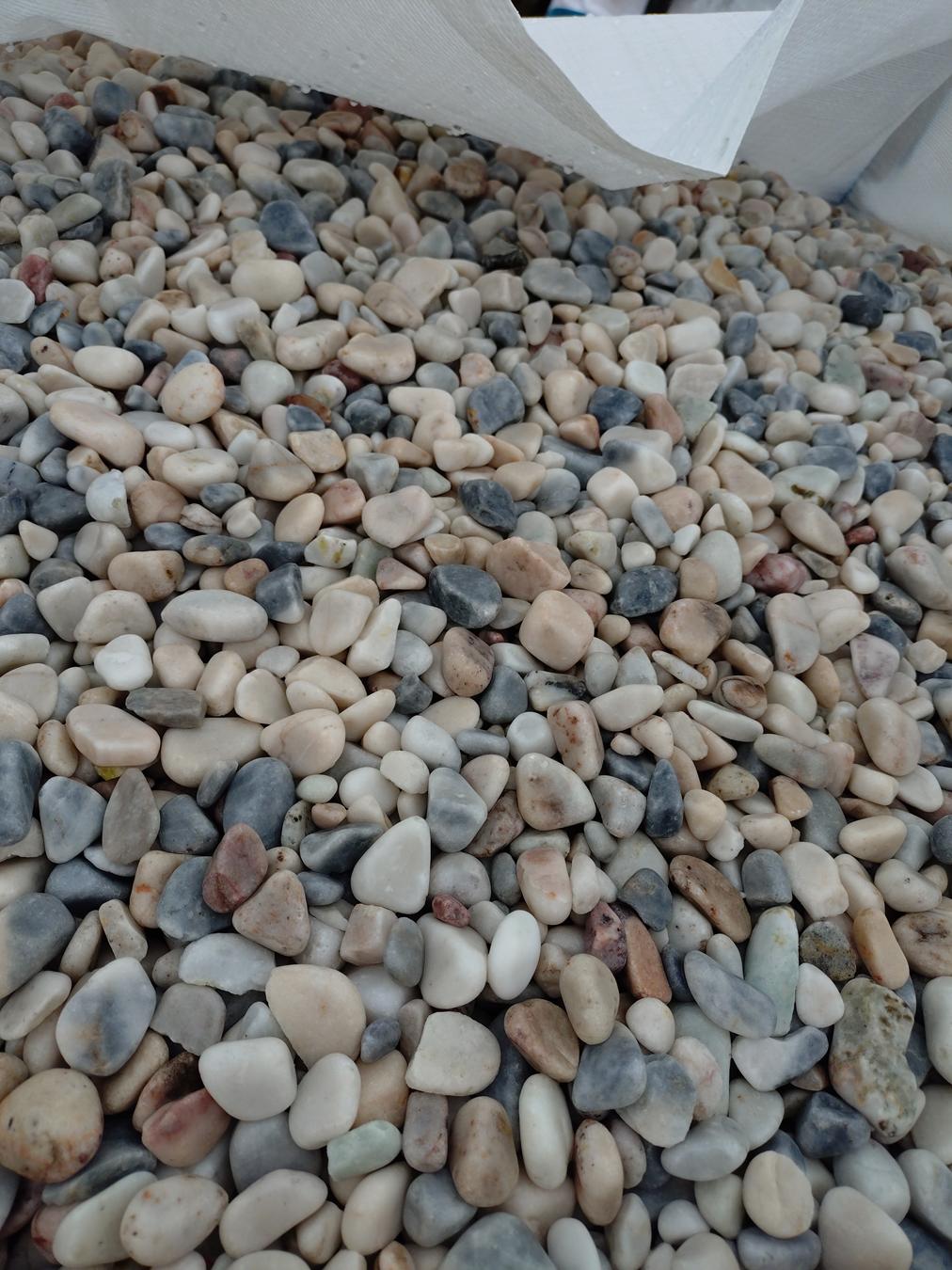
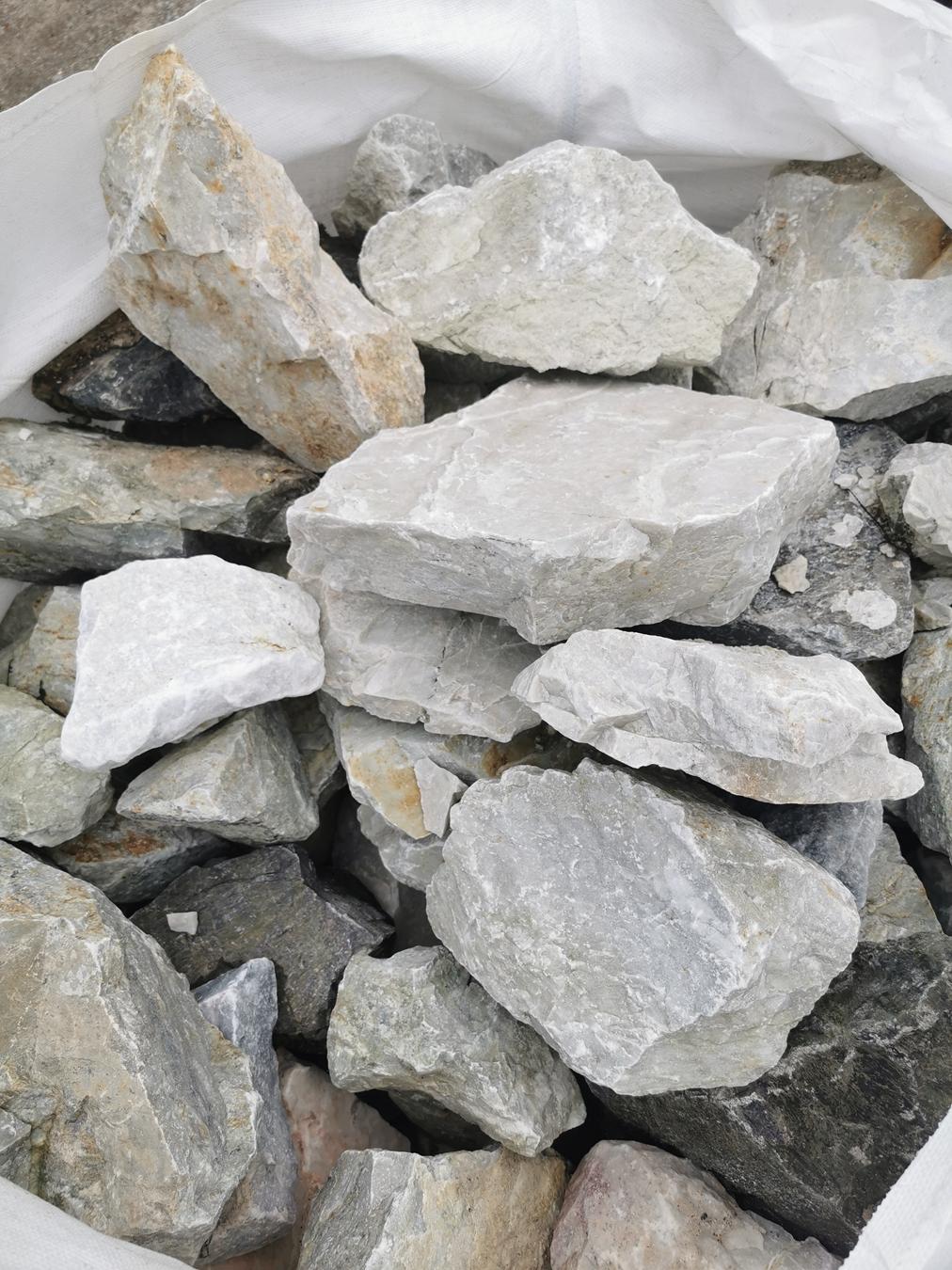
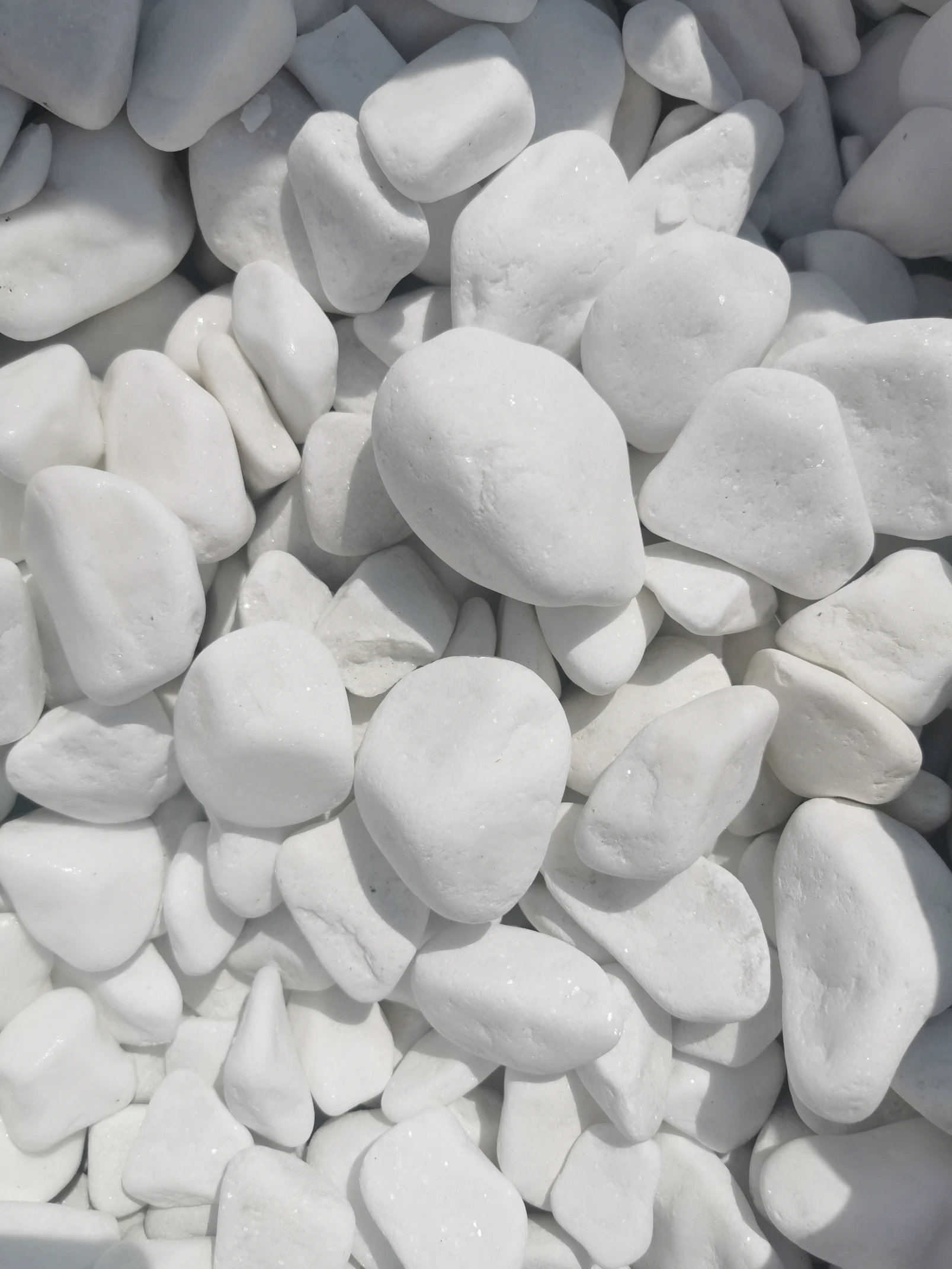
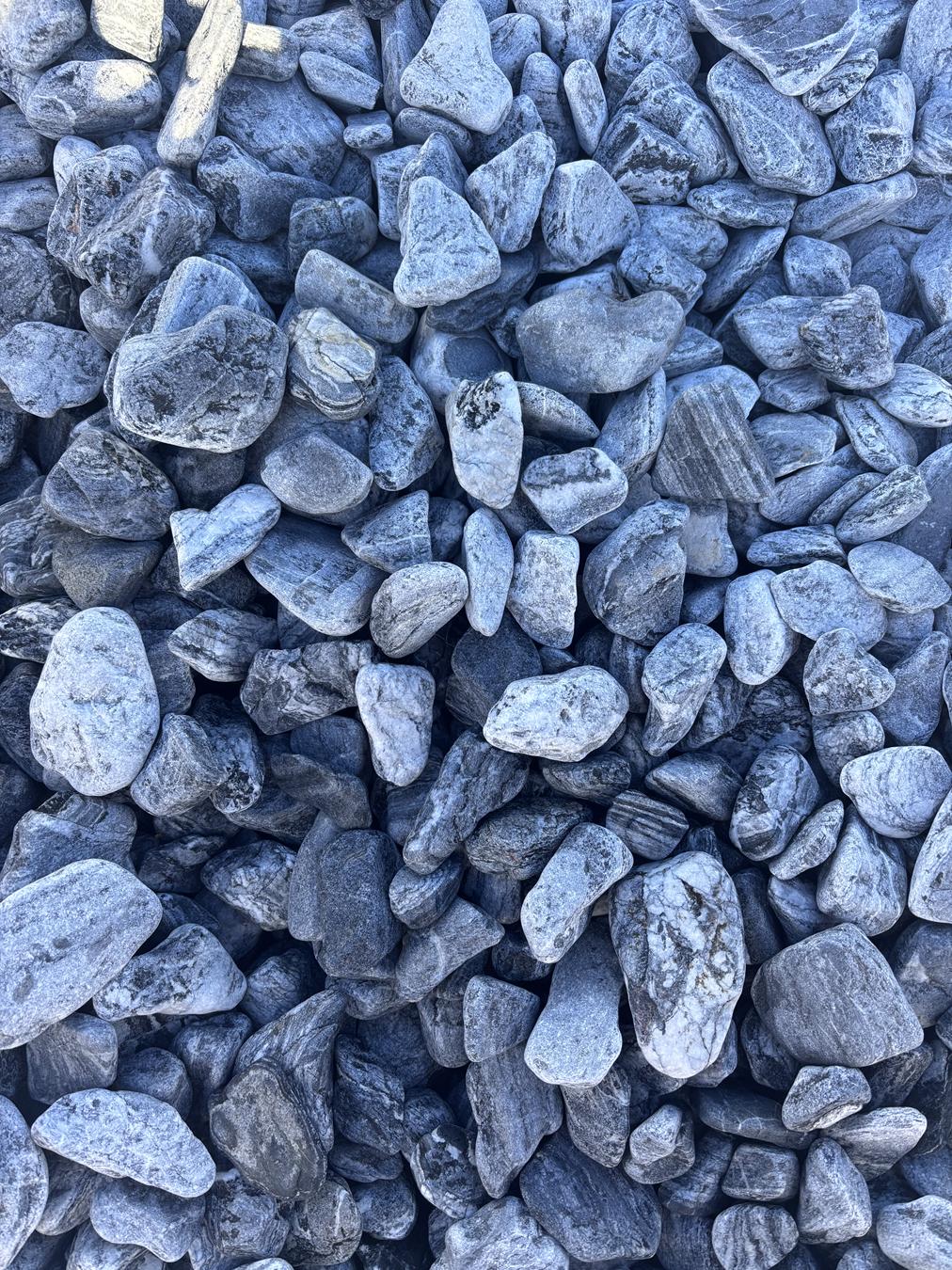
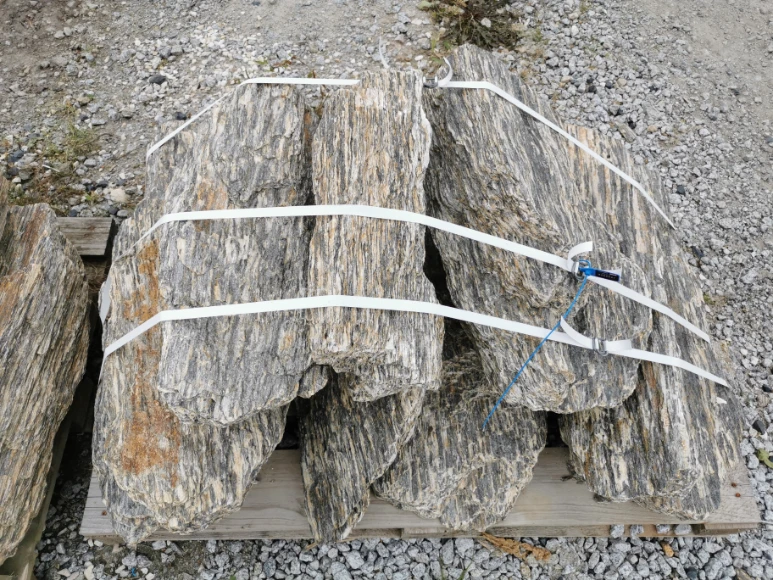
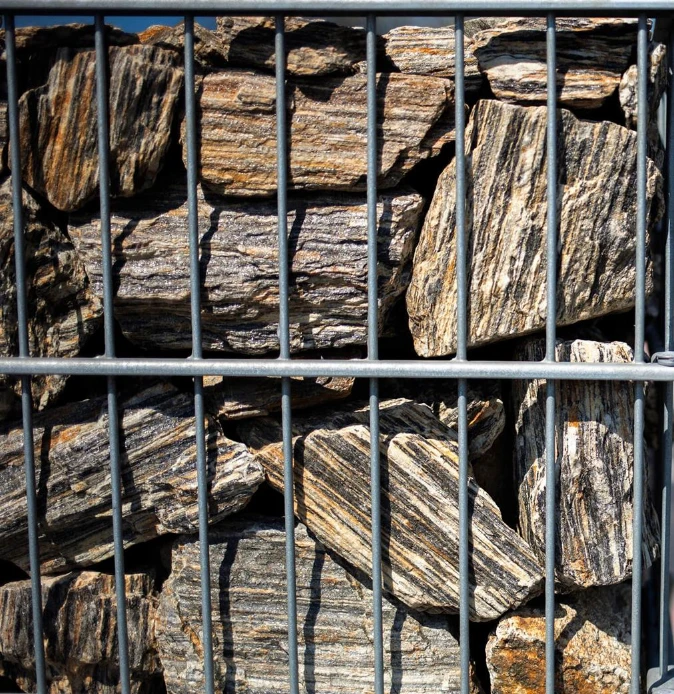
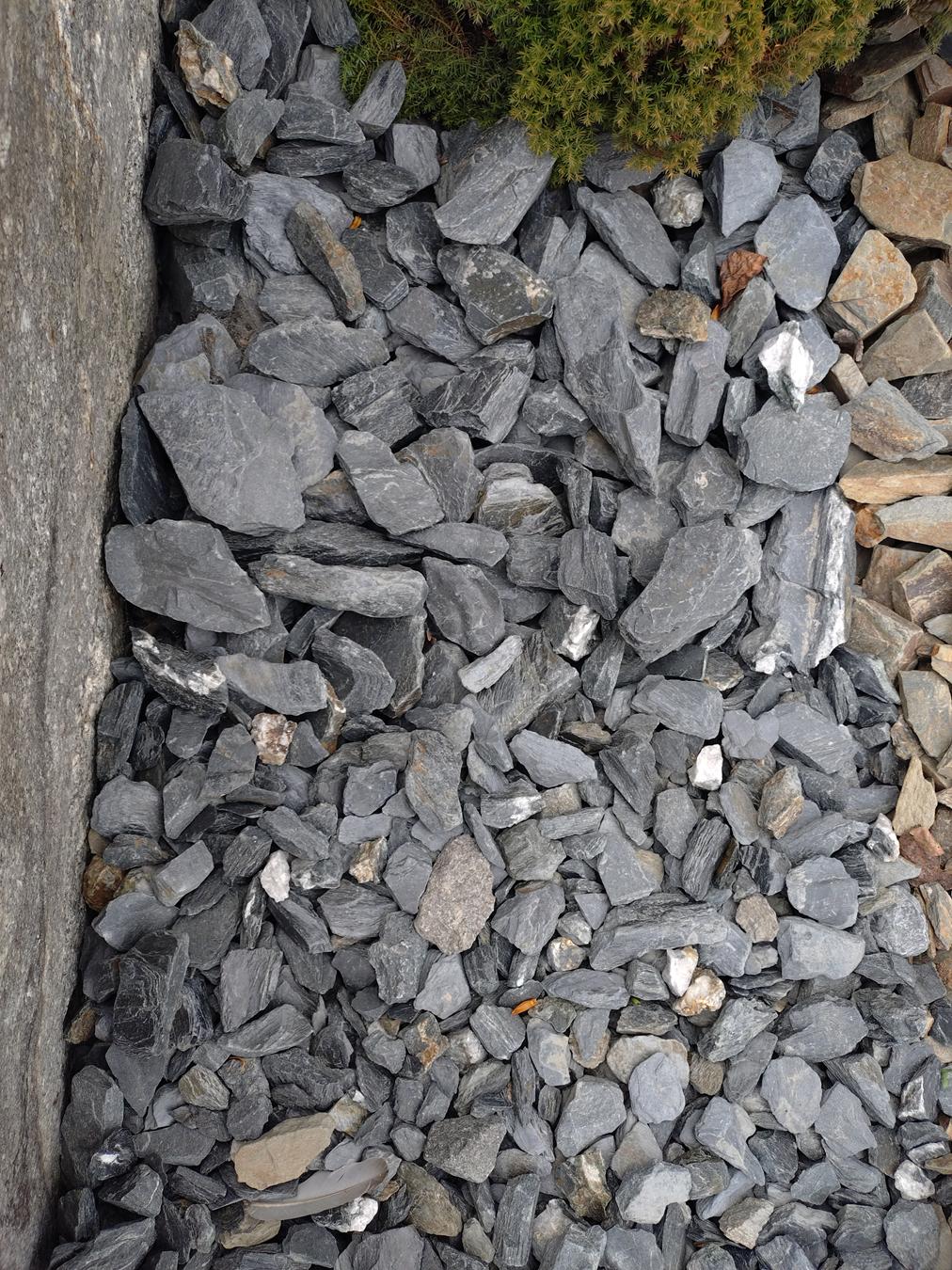
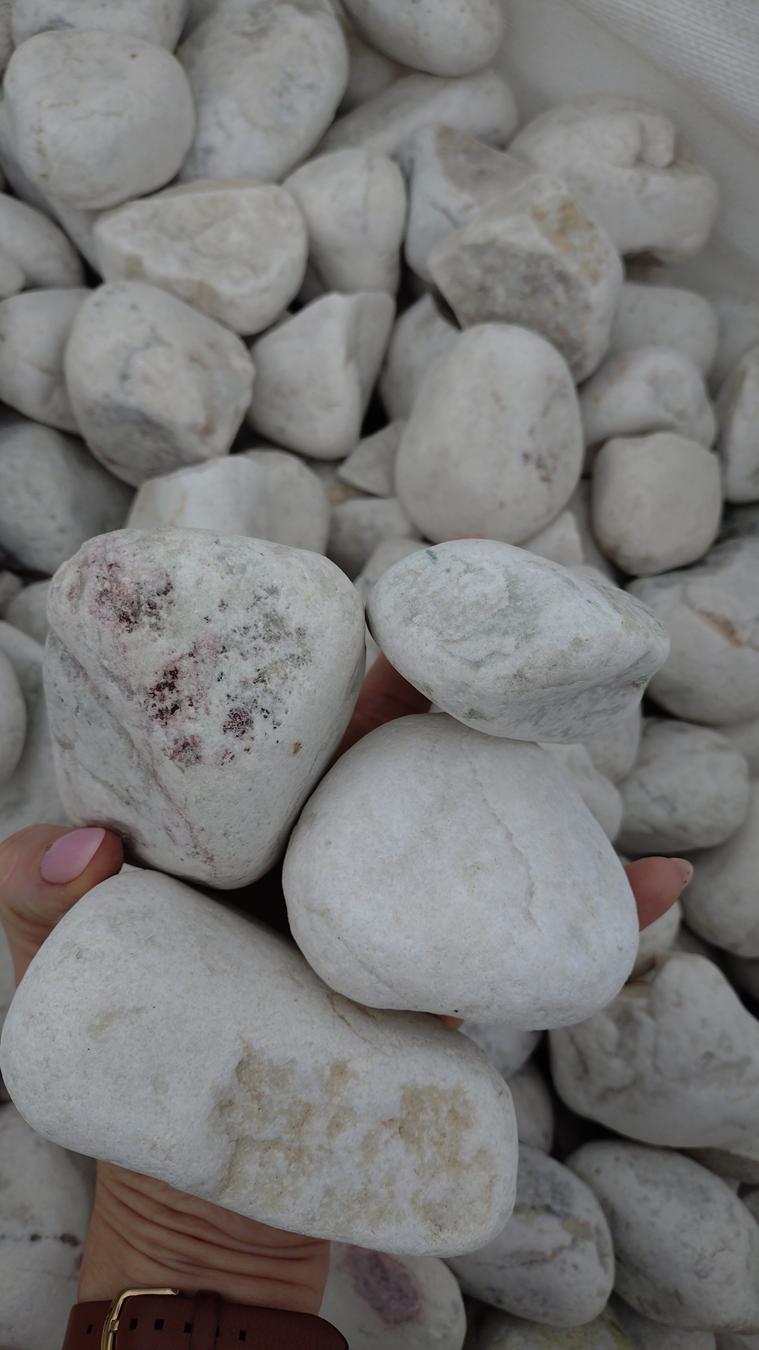
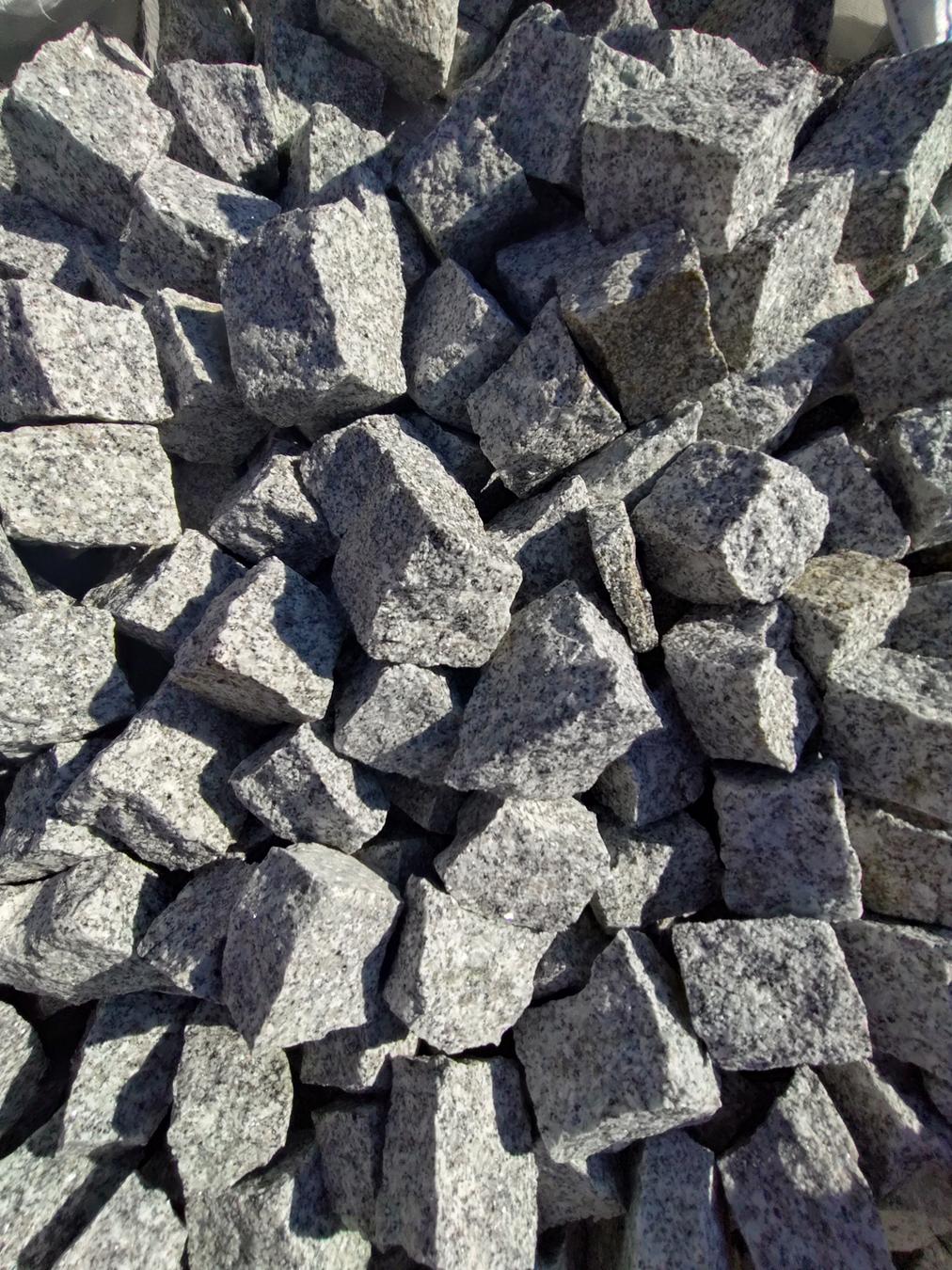
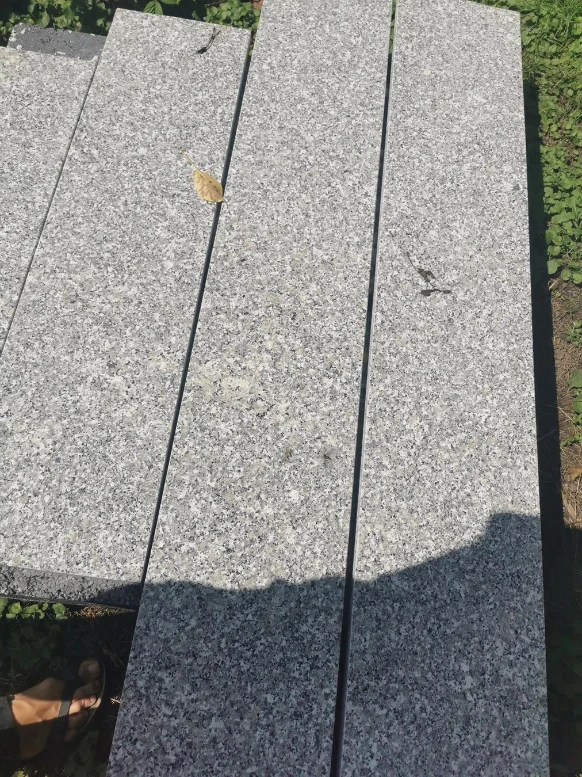
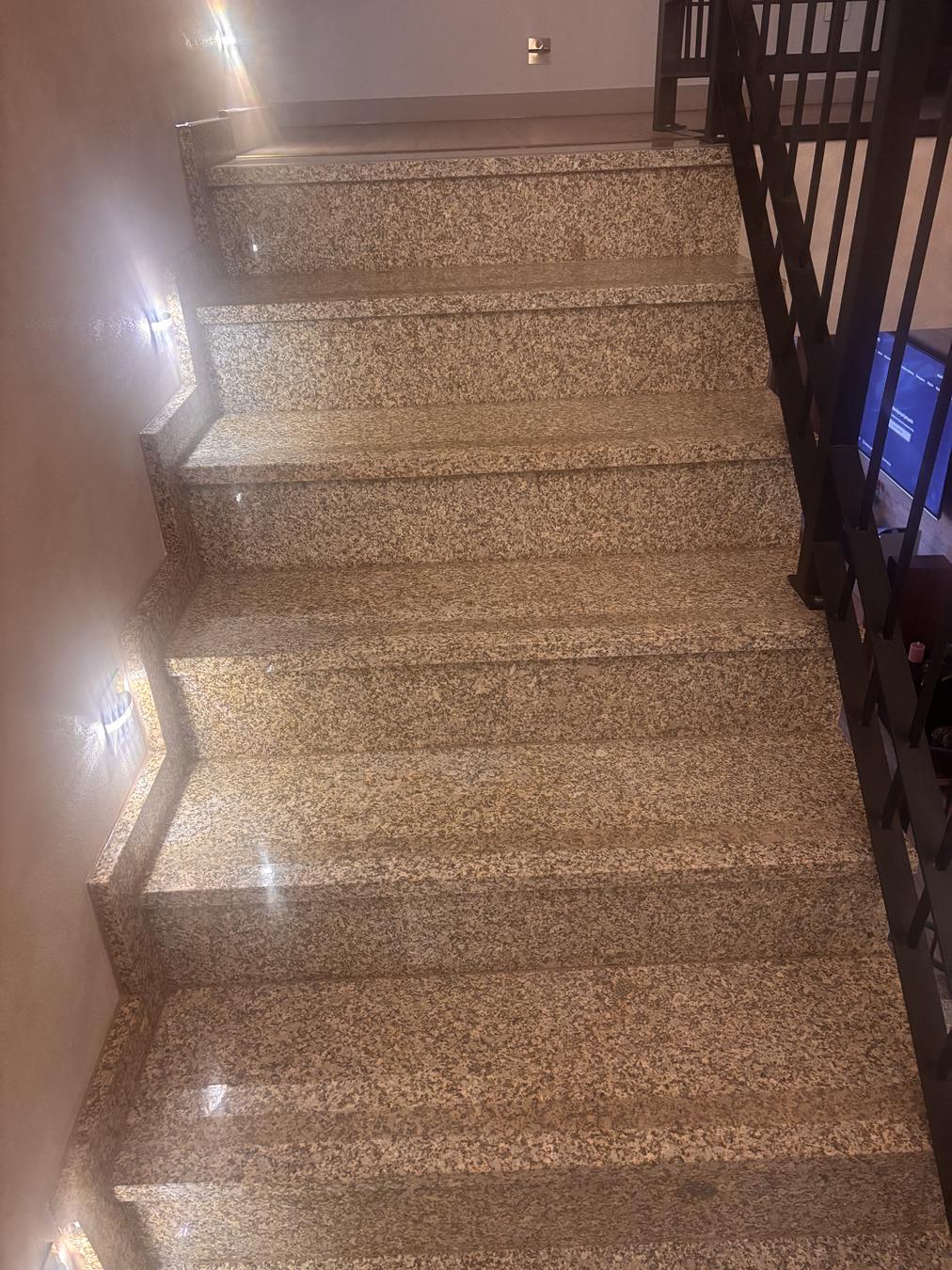


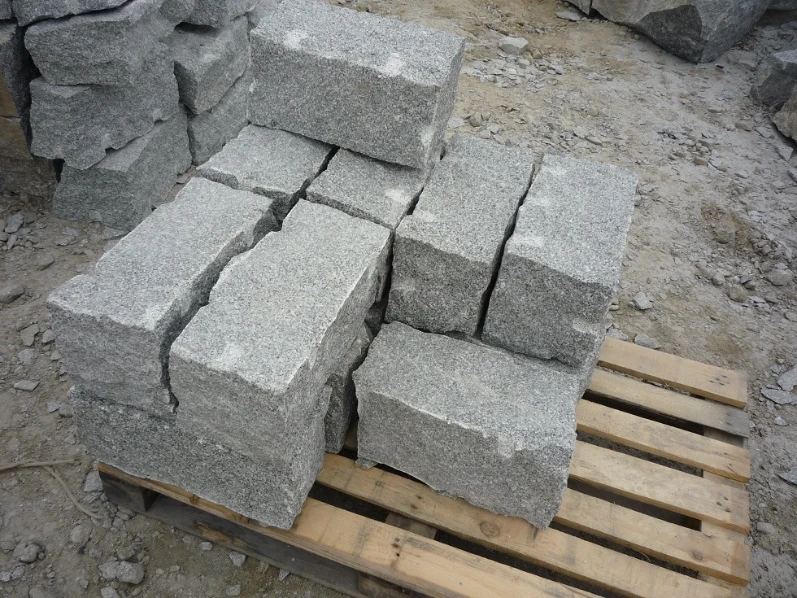
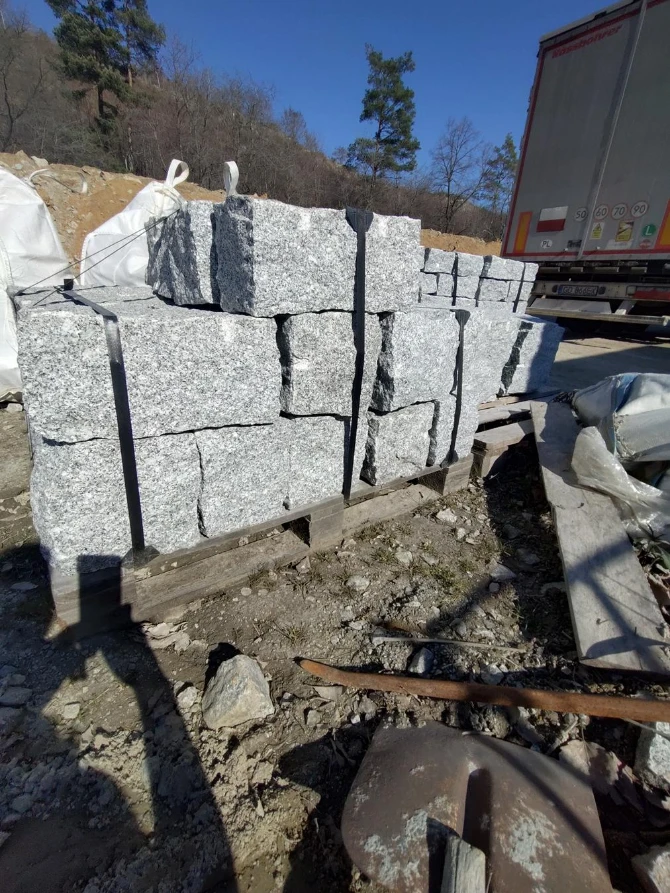
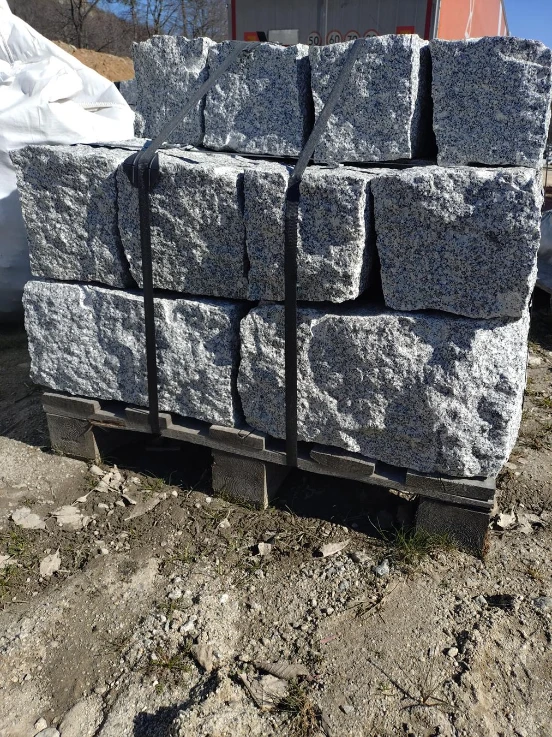
Granite masonry stone
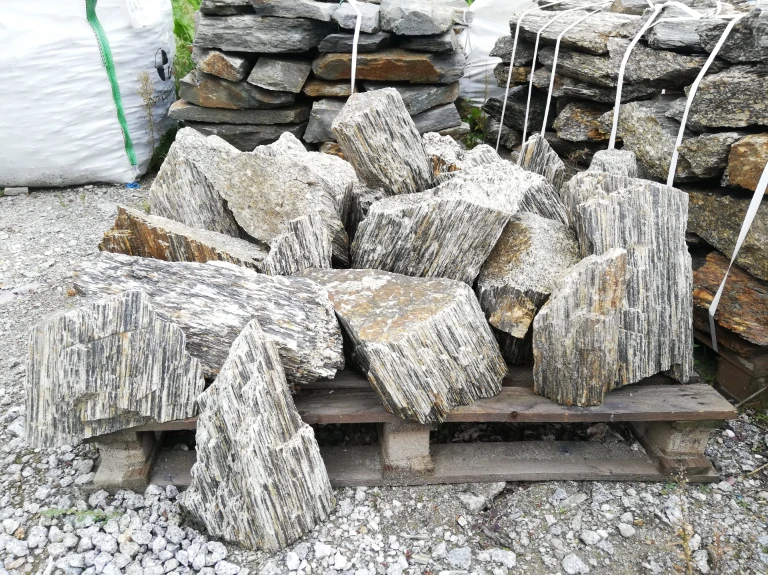
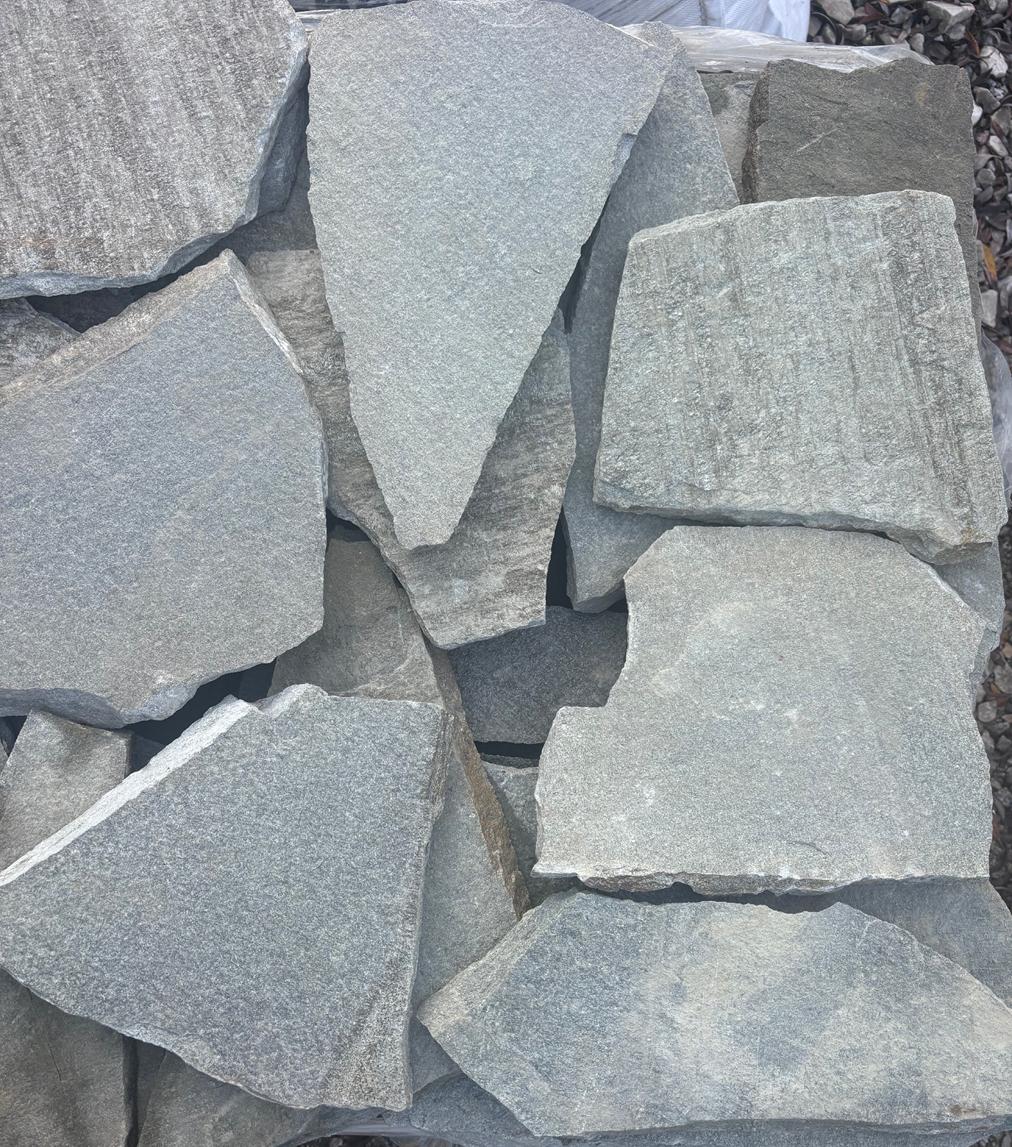
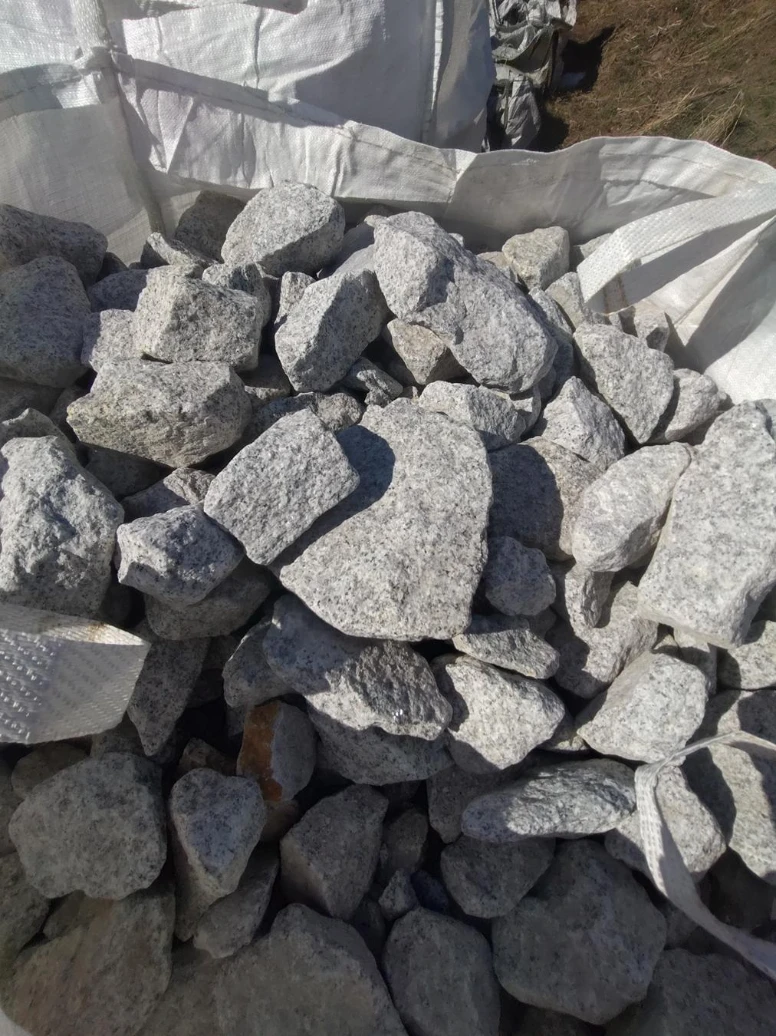
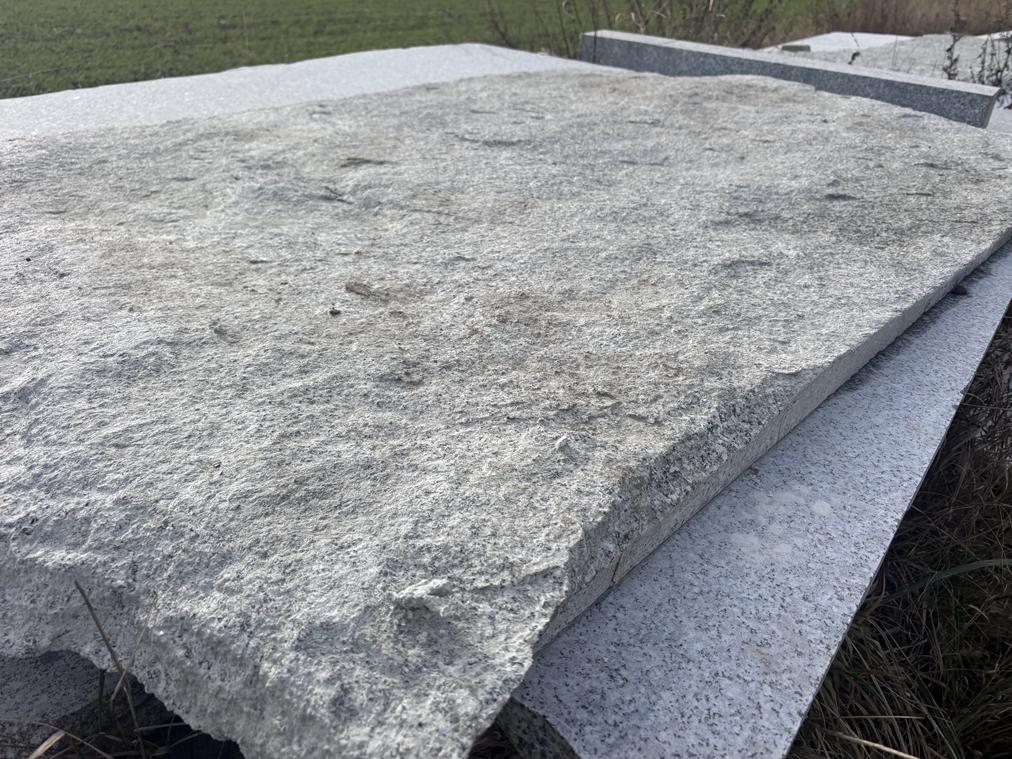
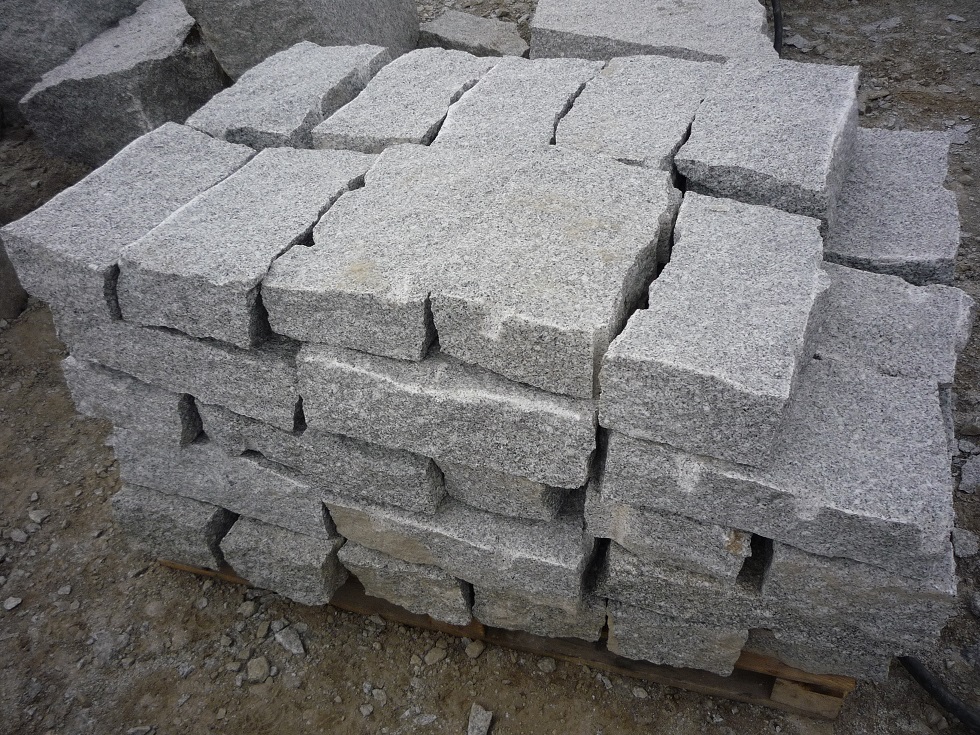
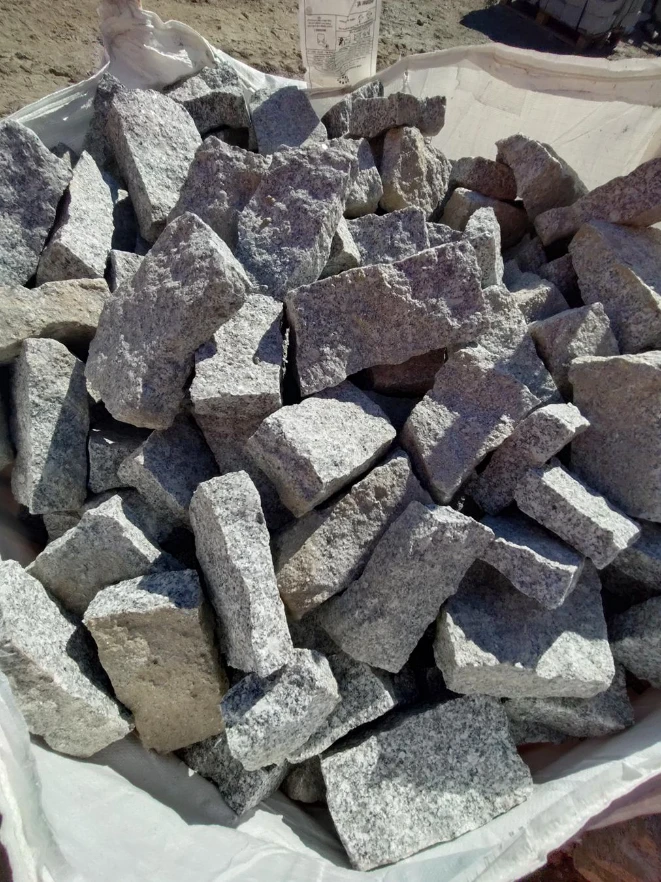
Often called quarry blocks or Strzegom masonry stone, it is one of the most durable natural building materials in Poland. It is mainly obtained from Strzegom granite. These are roughly split blocks with a shape close to a cuboid, intended for dry construction or masonry with mortar.

A comprehensive range

Tried-and-tested mines and material selection

Time-sensitive logistics
- Up to 4 types of gravel
- Delivered straight to a parcel locker
- See how this stone looks
- The cost of the samples is 50 zł, including postage
- Please place your order by email
Granite masonry stone:
(often called quarry blocks or Strzegom masonry stone) is one of the most durable natural building materials in Poland. It is mainly obtained from Strzegom granite. These are roughly split blocks with a shape close to a cuboid, intended for dry construction or masonry with mortar.
Most popular dimensions and typical applications
| Dimensions (width × height × length cm) | Type / finish | Typical application | Approx. weight (kg/piece) |
|---|---|---|---|
| 10 × 20 × 40 | split / cut-split | Low retaining walls, building plinths, fences, base walls | 18–25 |
| 20 × 20 × 40 | split / cut-split | Medium retaining walls, free-standing fences, slopes, stairs | 35–45 |
| 30 × 30 × 40–60 | split / cut-split | Higher retaining walls, premium plinths, partial facades | 50–80 |
| 40 × 40 × 60–120 | split / cut-split | High retaining walls, foundations, slope stabilization | 80–150+ |
- Most often built dry (depending on height) or with cement mortar / stone adhesive
- For walls >1 m a concrete foundation and possible reinforcement are recommended
Granite masonry stone is the best material for retaining walls, fences, plinths and base walls. It withstands everything – soil pressure, water, salt and frost, and always looks timeless. Installation requires a foundation and possibly drainage behind the wall, although these issues are usually decided by the contractor, as each contractor may have their own installation methods for a given element.
Key properties of granite masonry stone
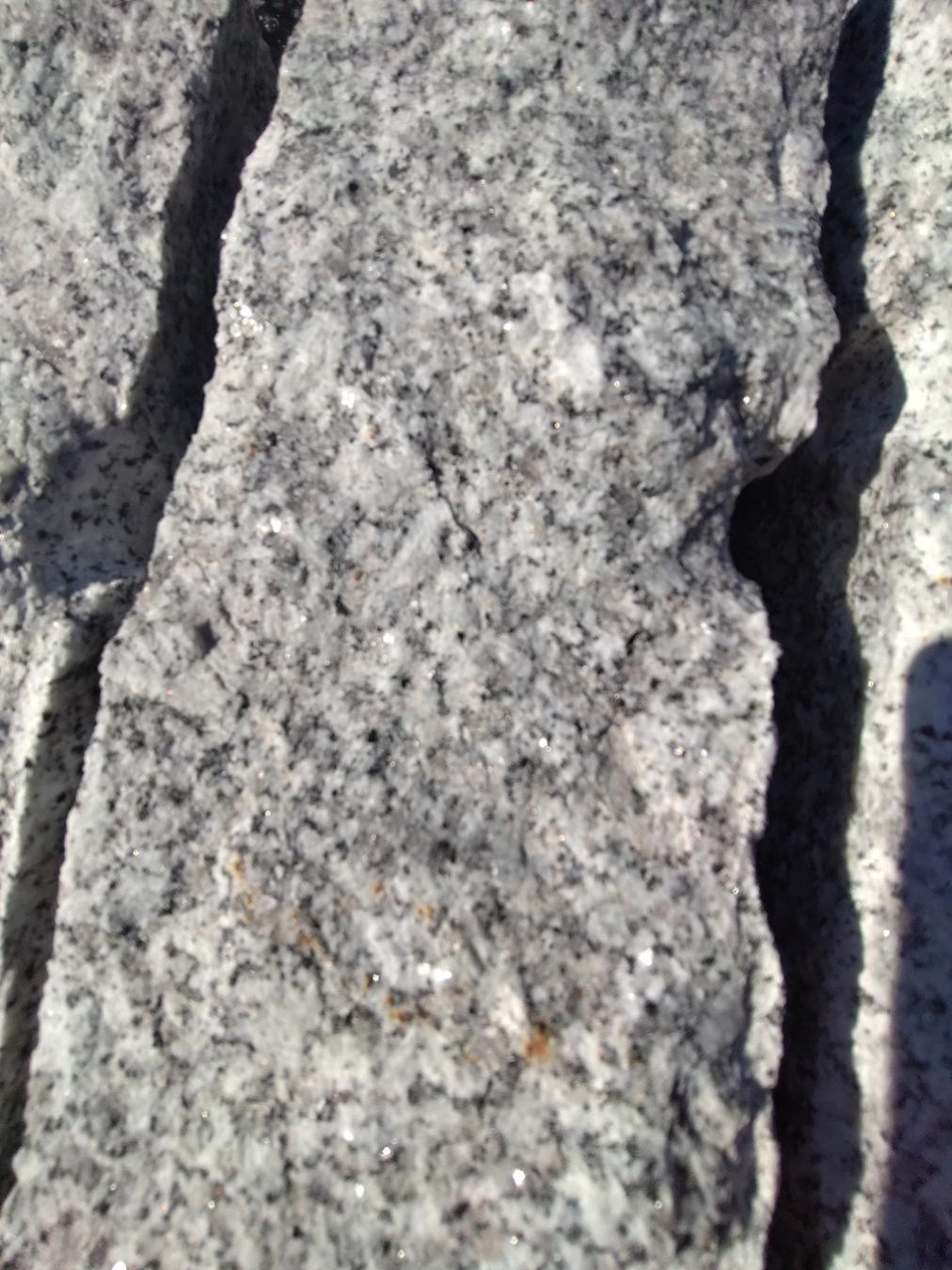
- Rock type — deep igneous granite (quartz + feldspar + biotite/mica)
- Colors:
- light grey / grey Strzegom
- rust / grey-rust
- Finish — roughly split (natural, rough surface – anti-slip and rustic), cut-split (visible sides split, the rest cut) or fully cut
- Hardness and abrasion resistance — extremely high (LA ≈ 20–35)
- Frost resistance — full (F1–F2), does not crack even with road salt and -30°C
- Water absorption — very low (<0.5–1%) → does not absorb water, does not stain easily, does not grow moss
- Weather resistance — highest: UV, acid rain, salt, frost, heat – color stable for decades (granite walls last >100 years)
- Mechanical strength — high compressive strength (150–250 MPa) → suitable for retaining walls, fences and plinths
- Aesthetics — raw, natural, timeless; grey is universal, rust/red adds warmth and character
- Natural, without dyes, ecological
