

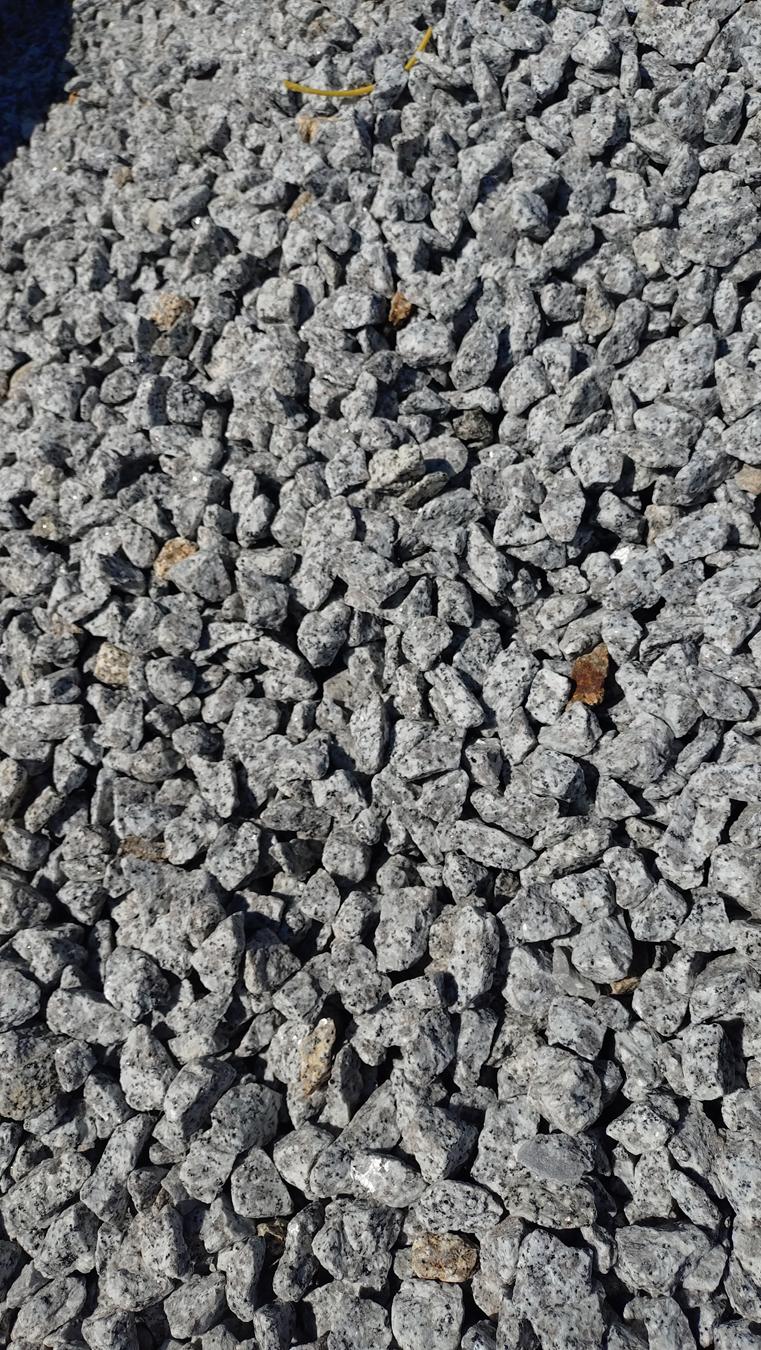
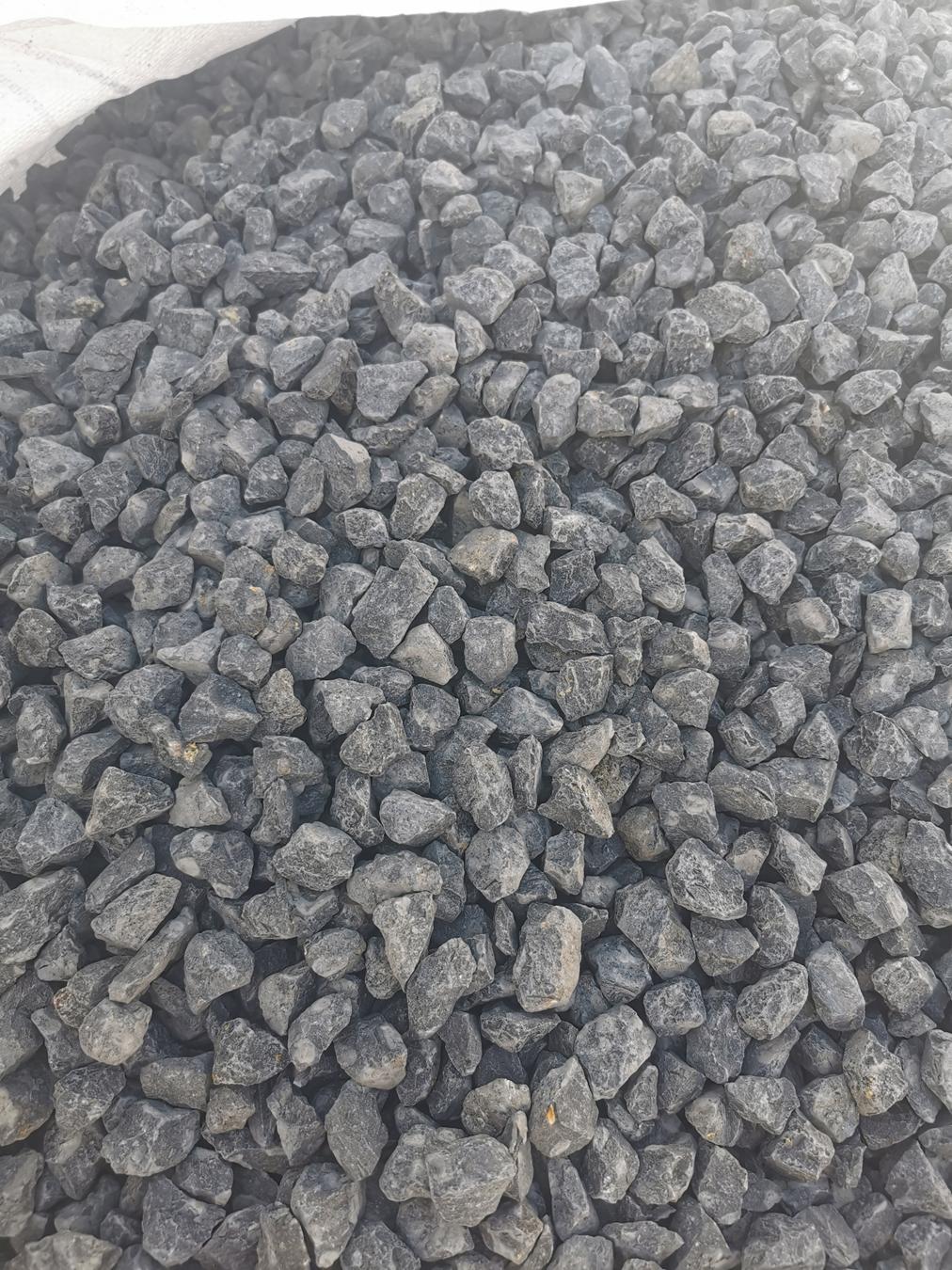
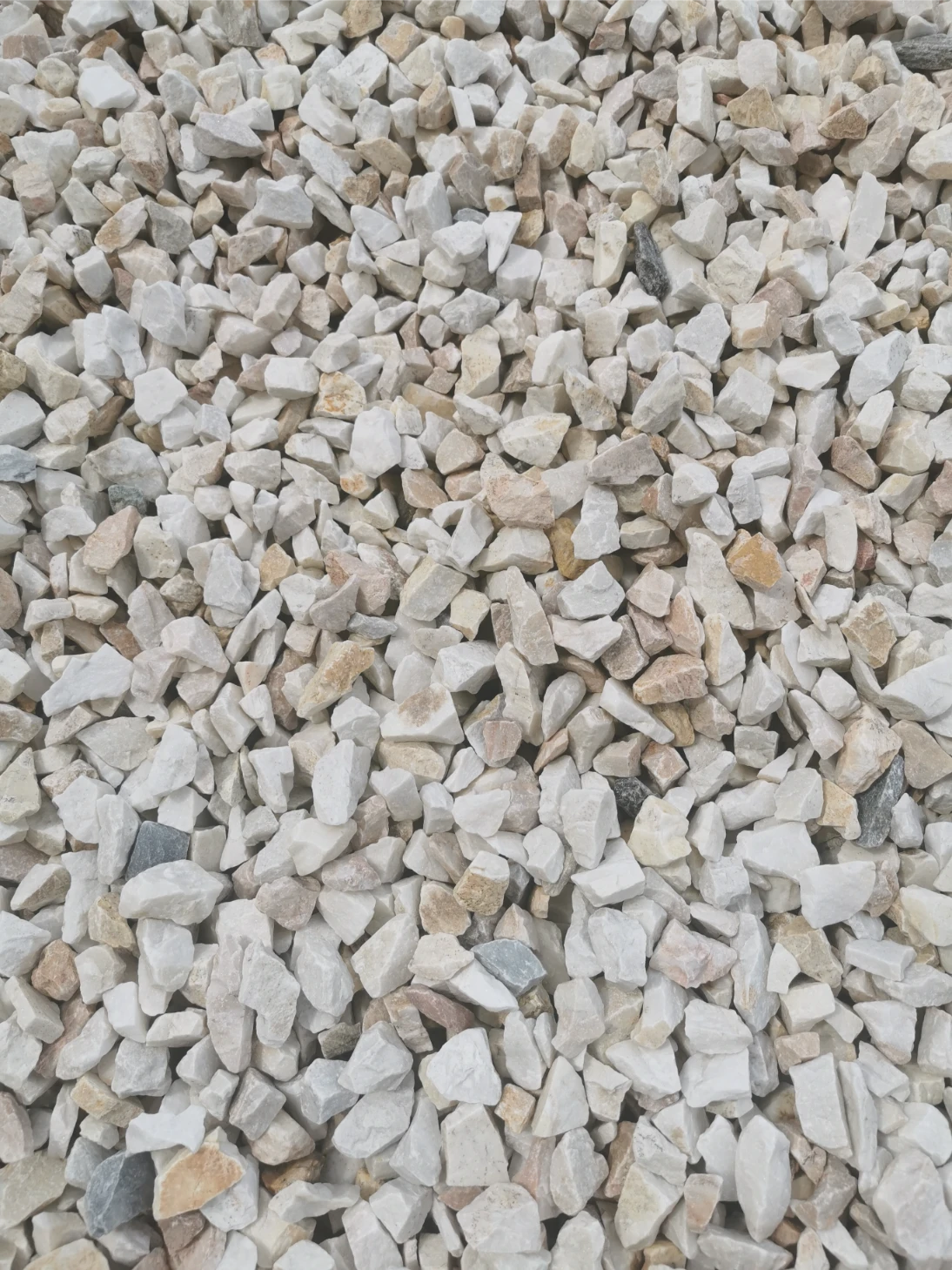
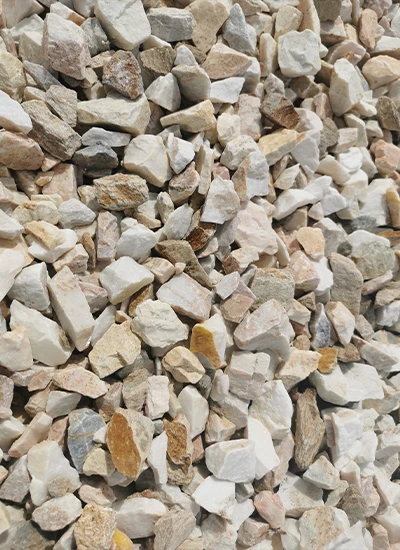
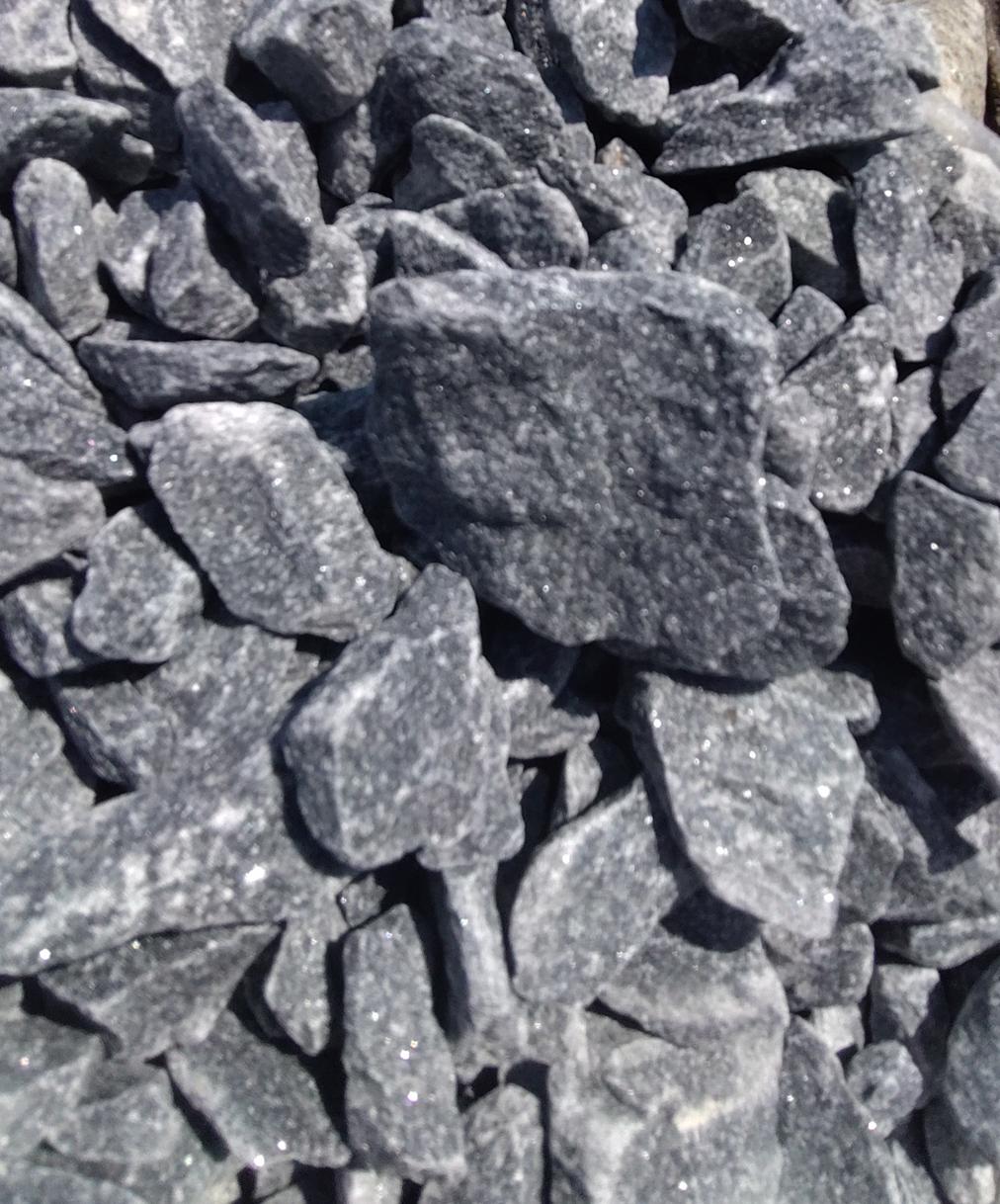
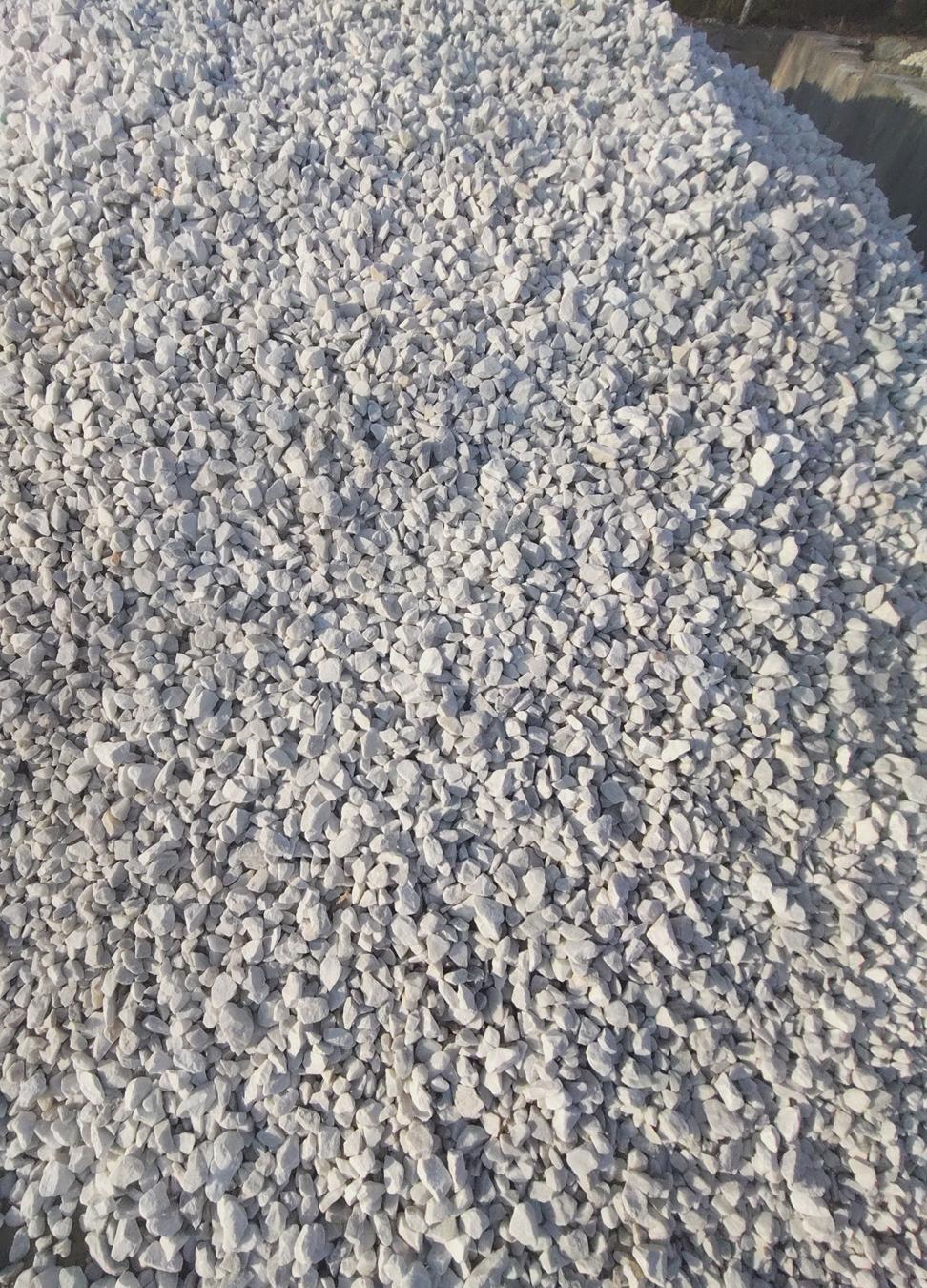
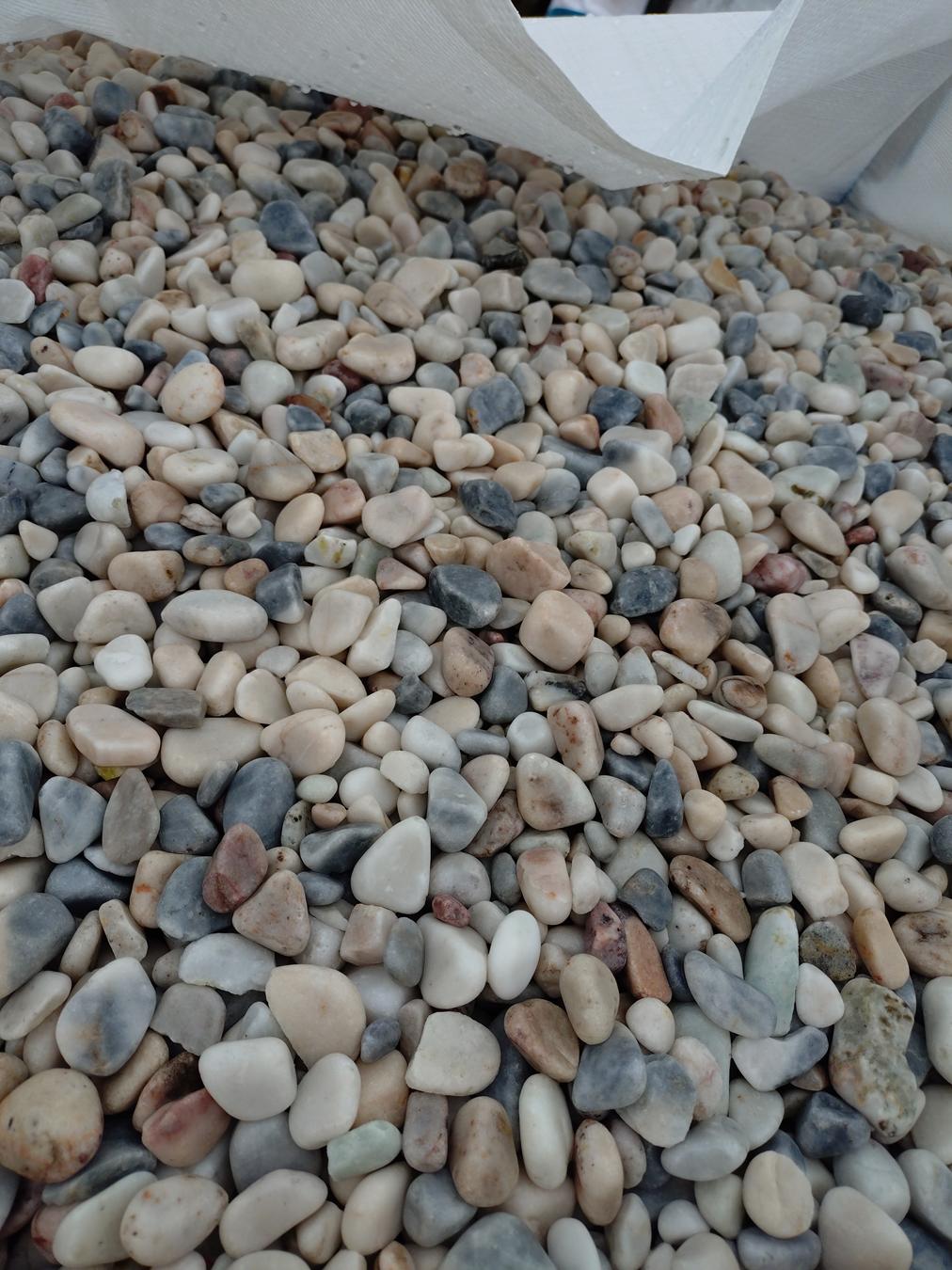



Greywacke slate
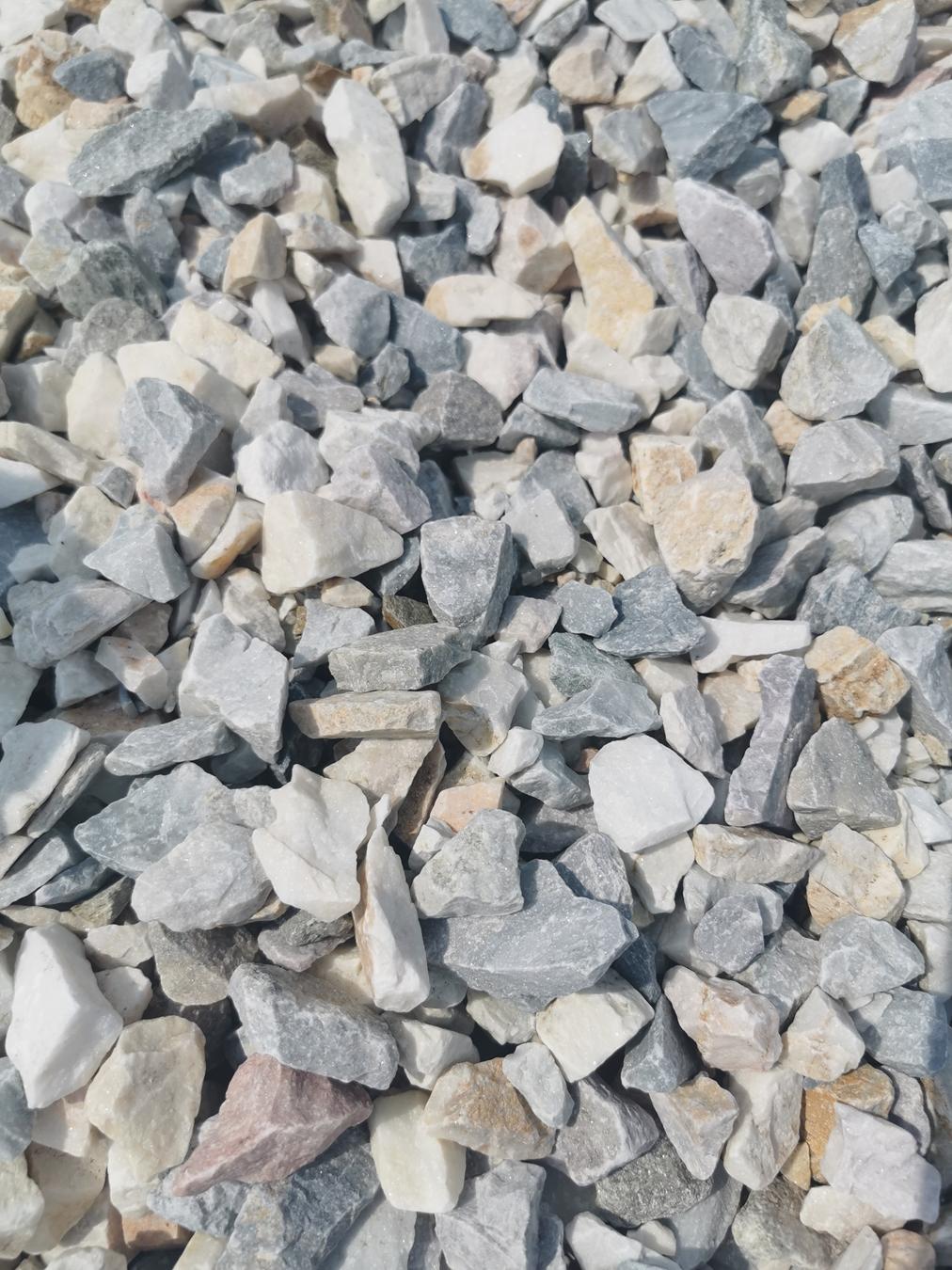
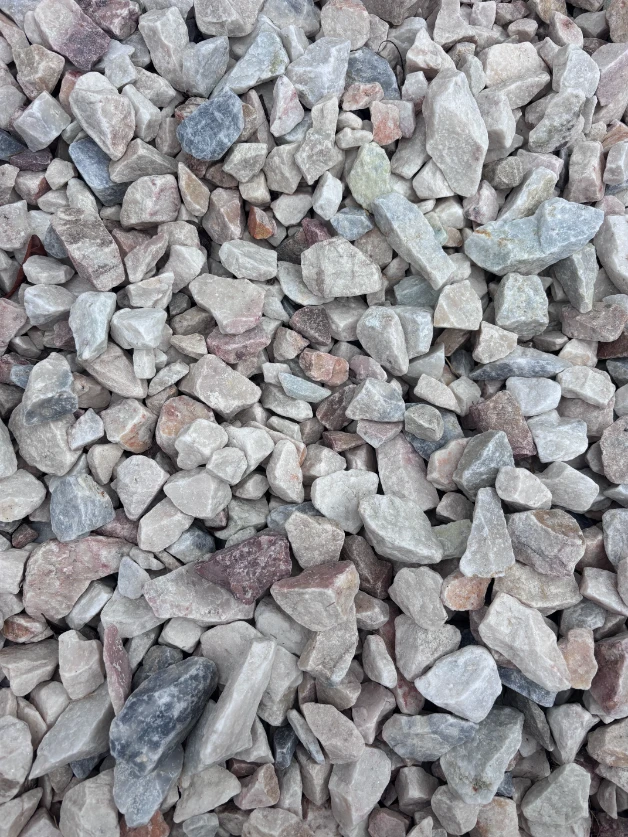
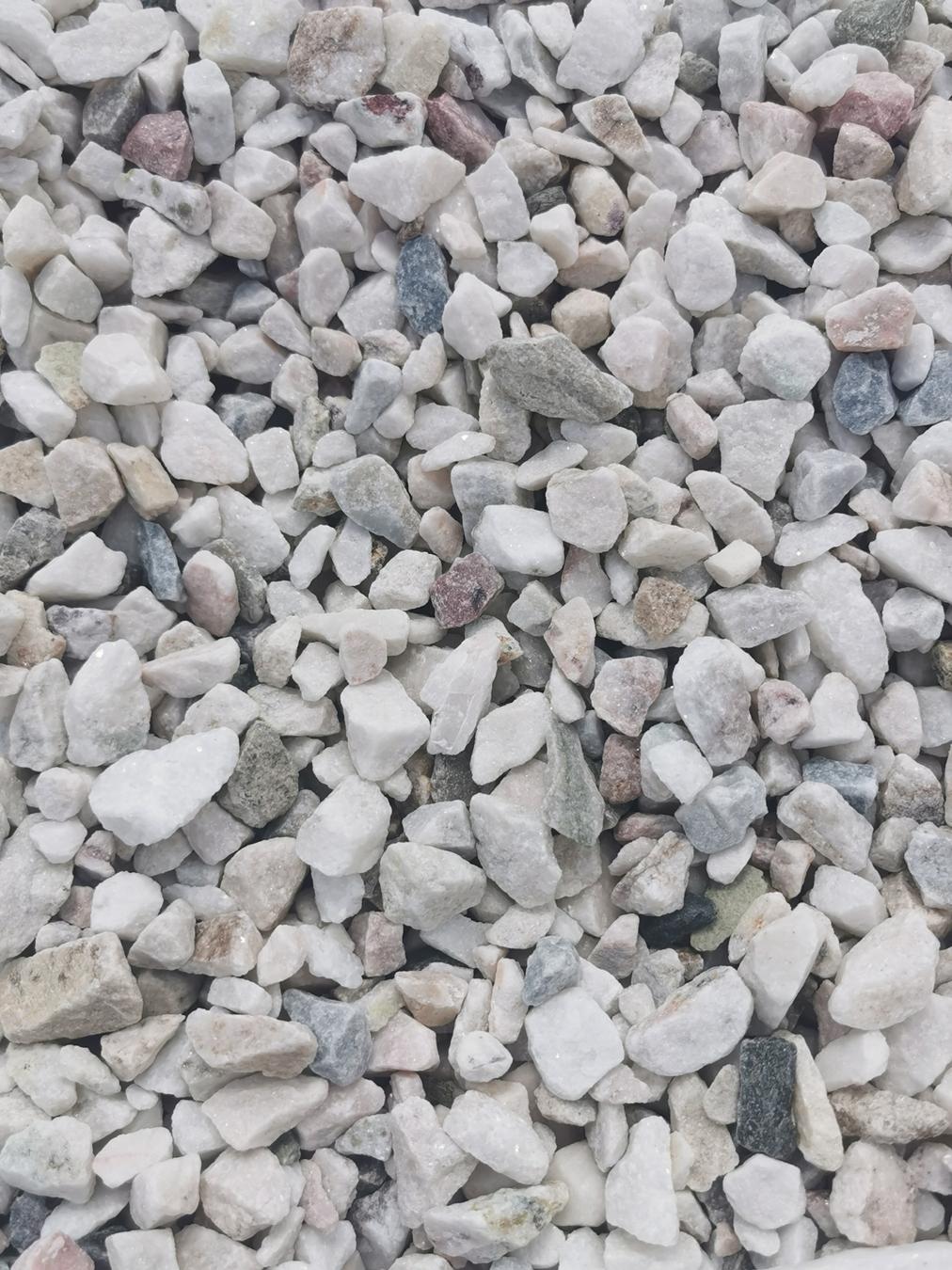
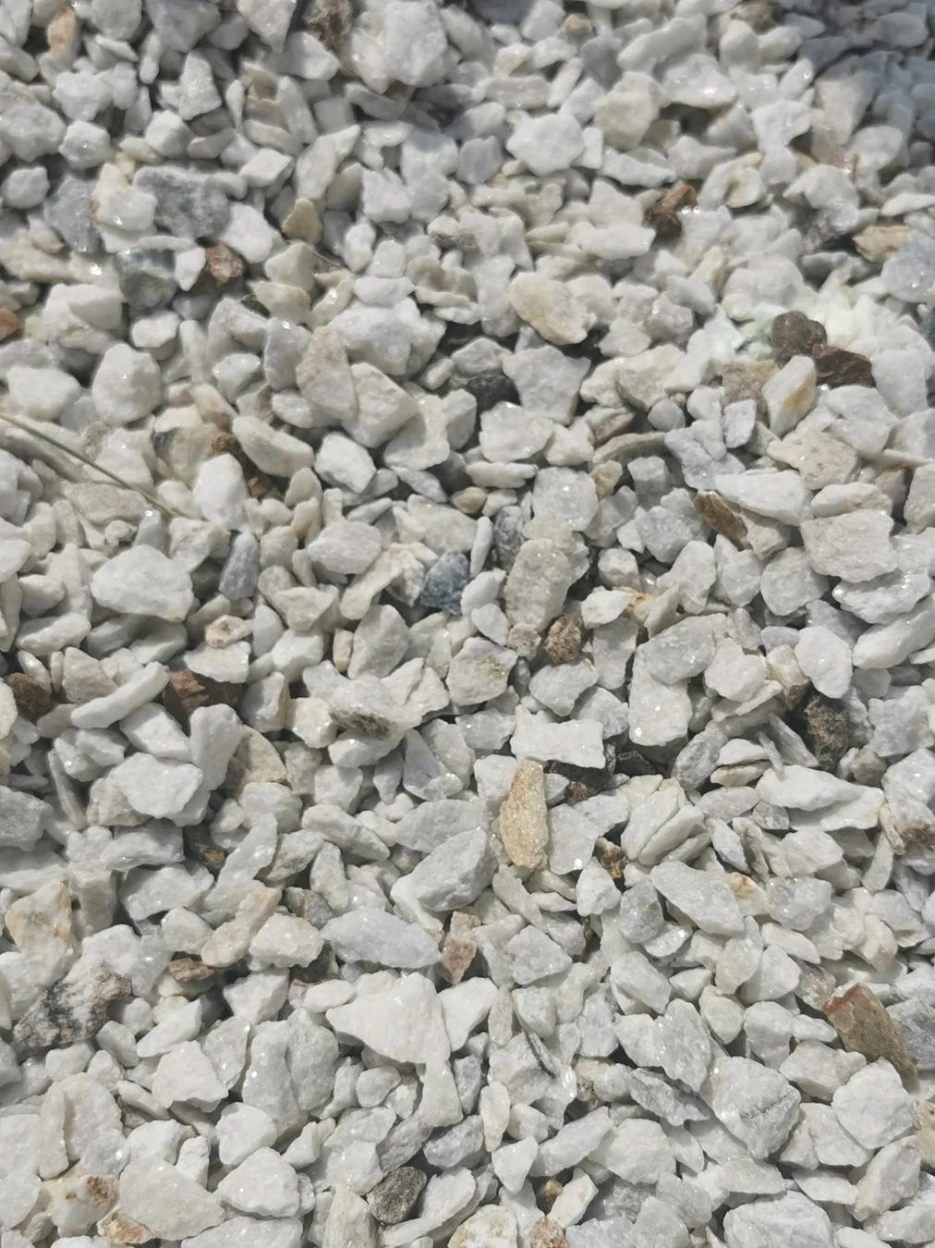
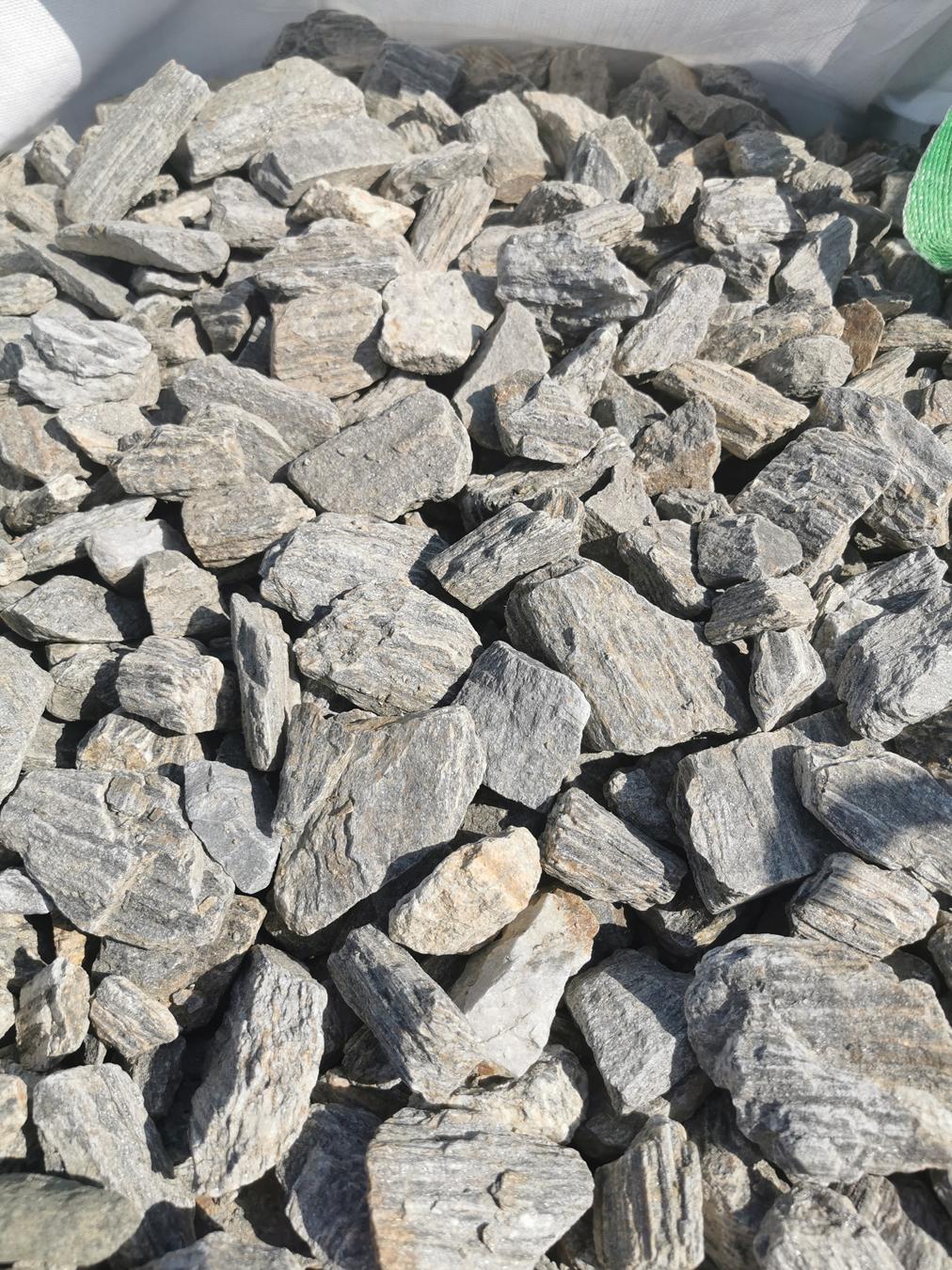
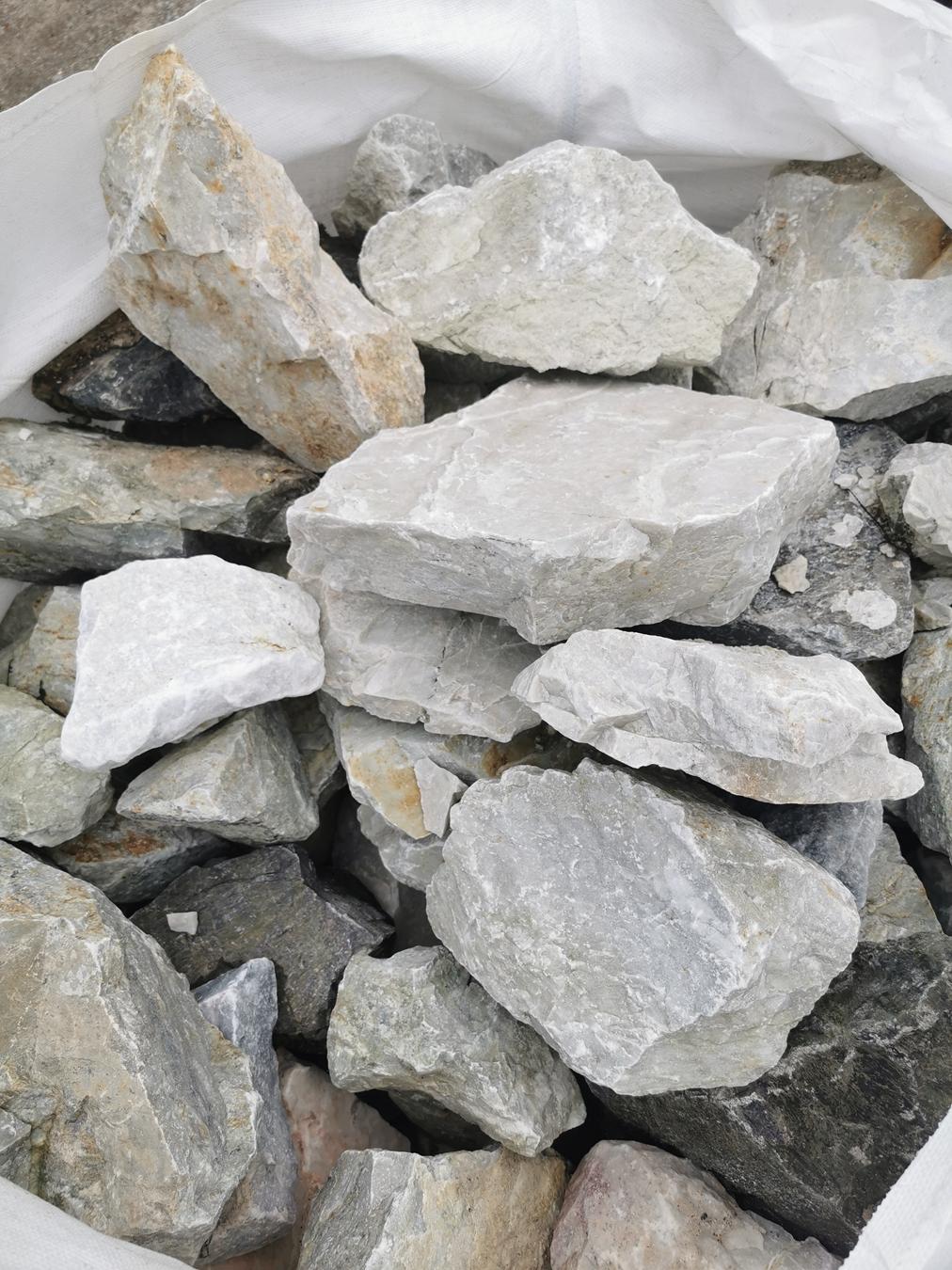
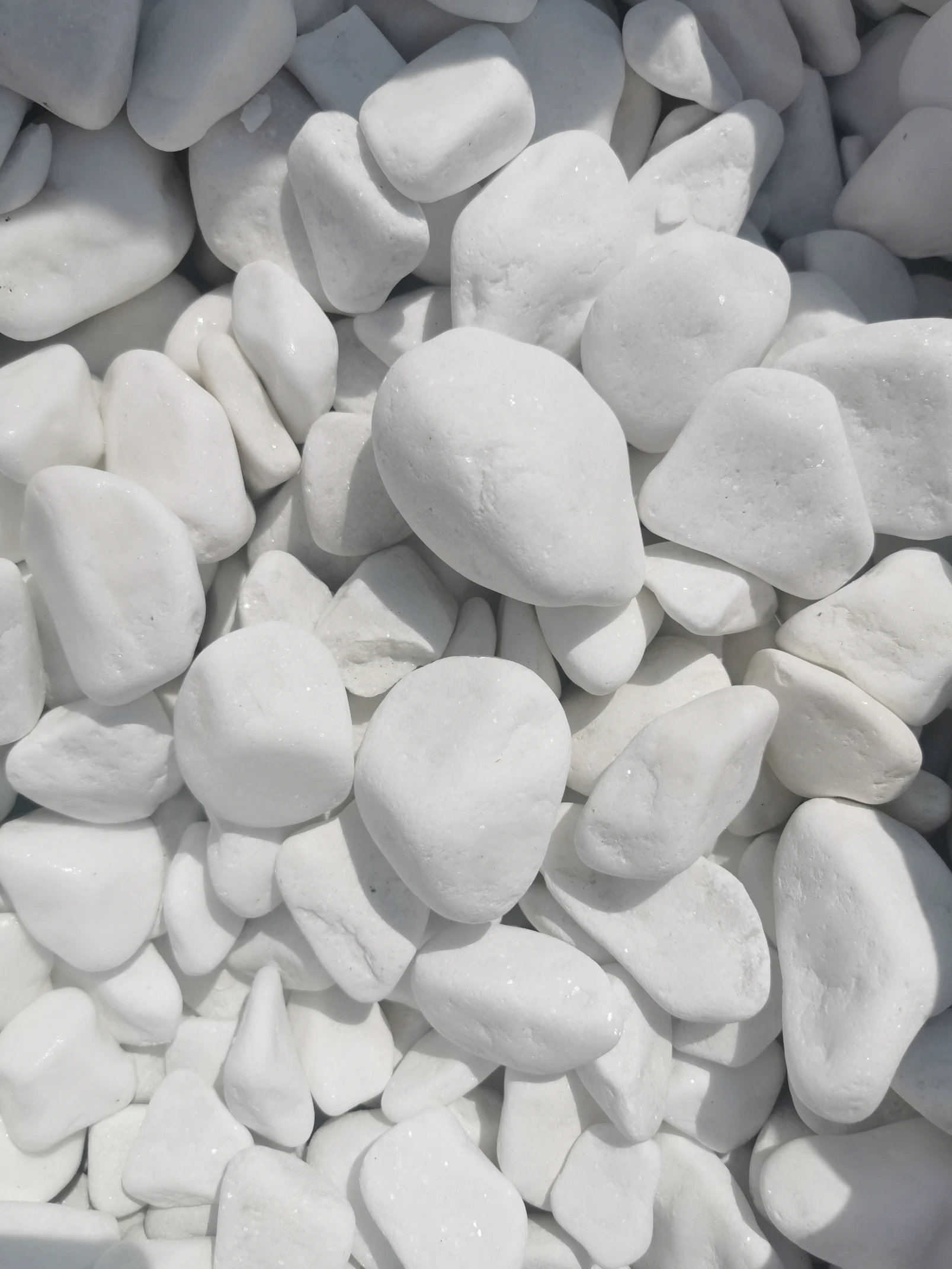
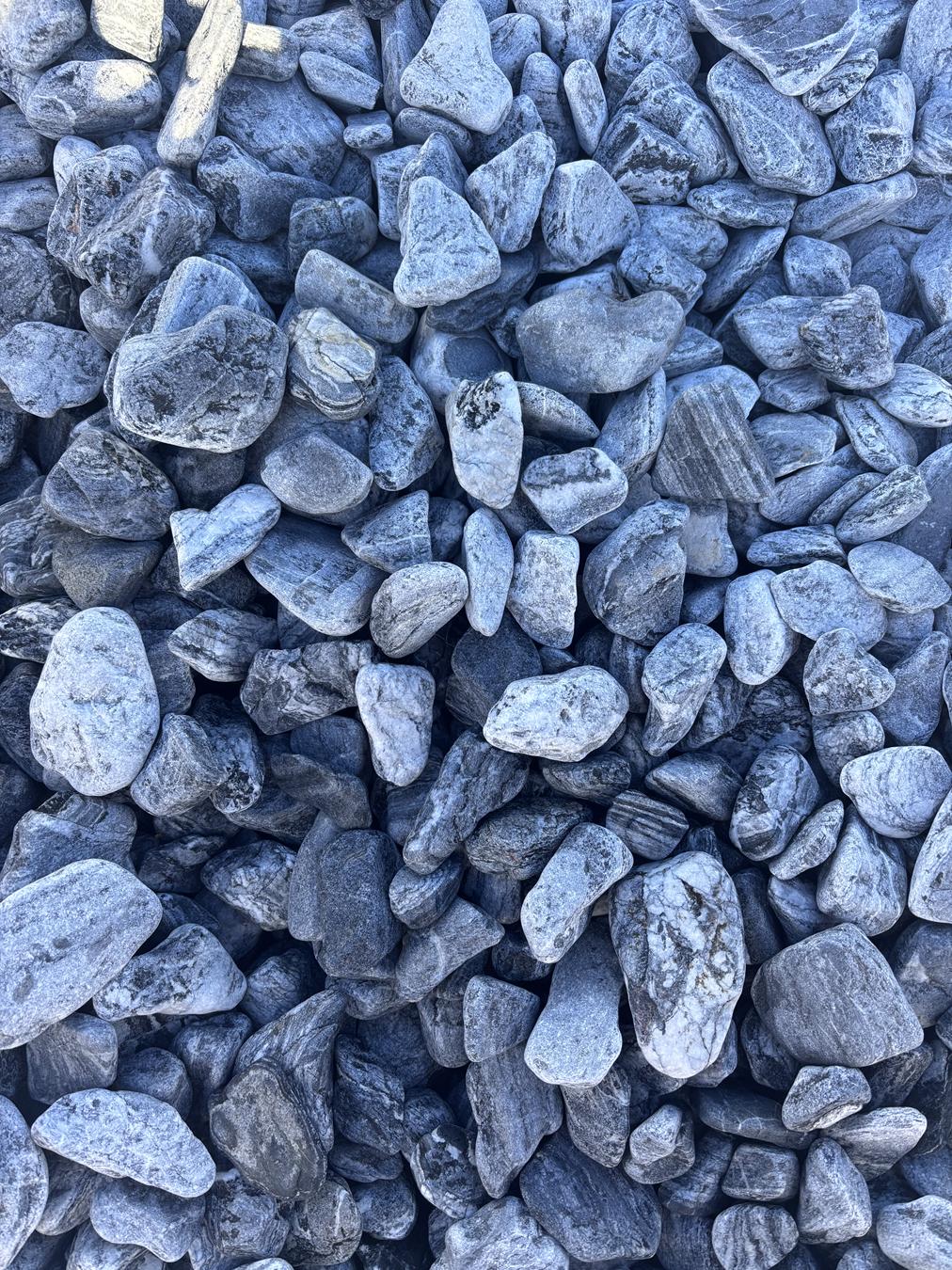
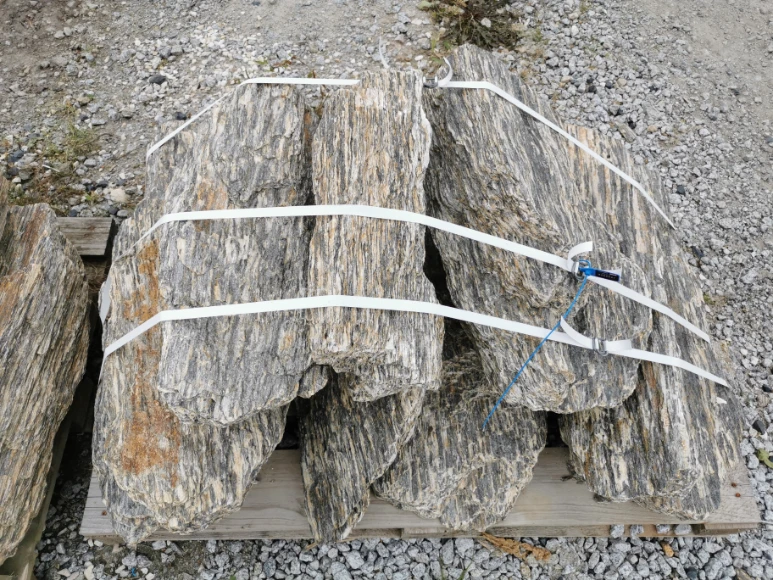
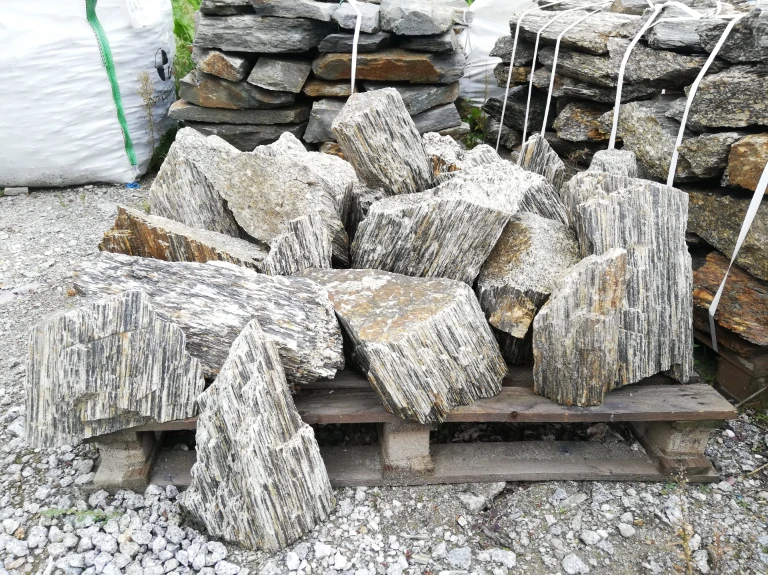
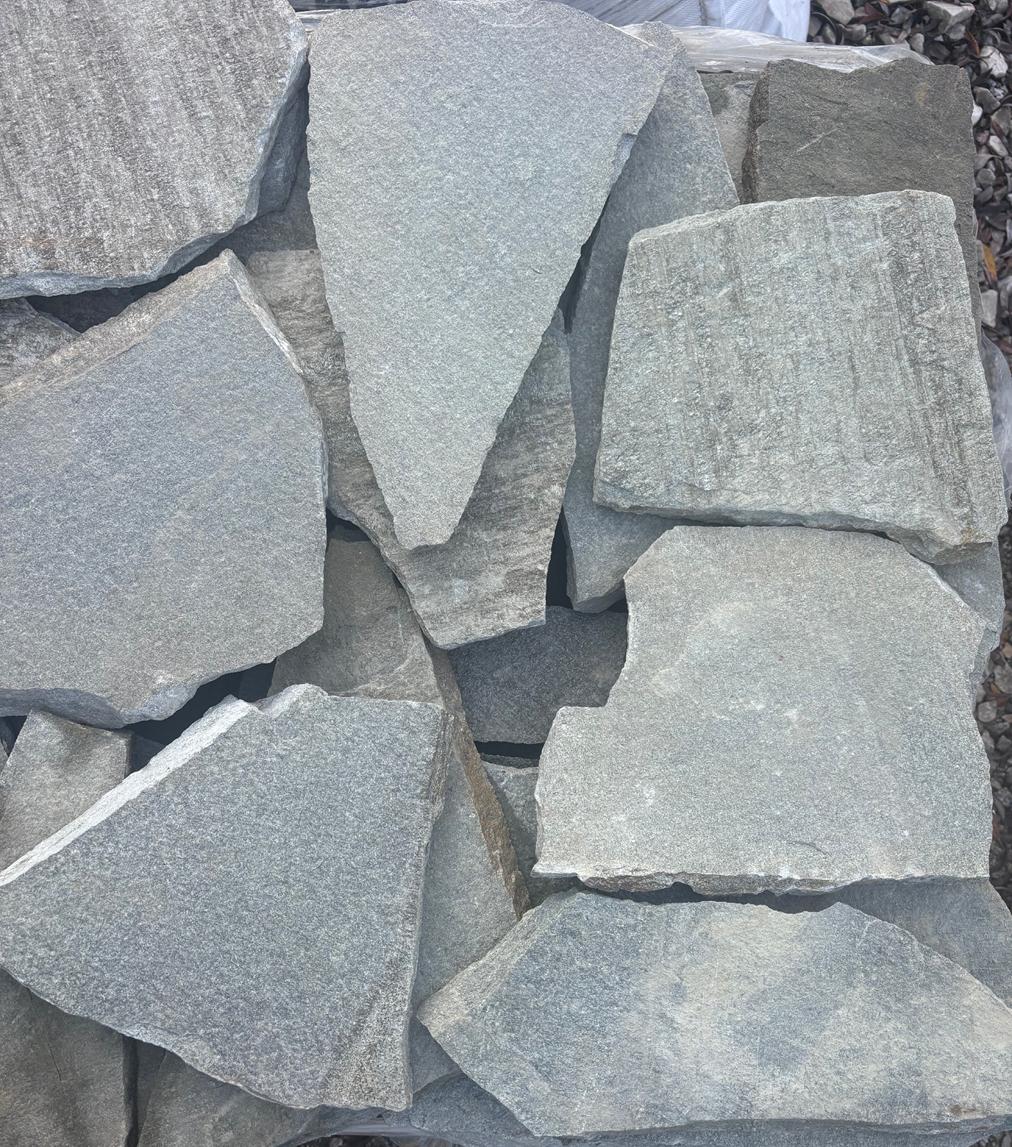
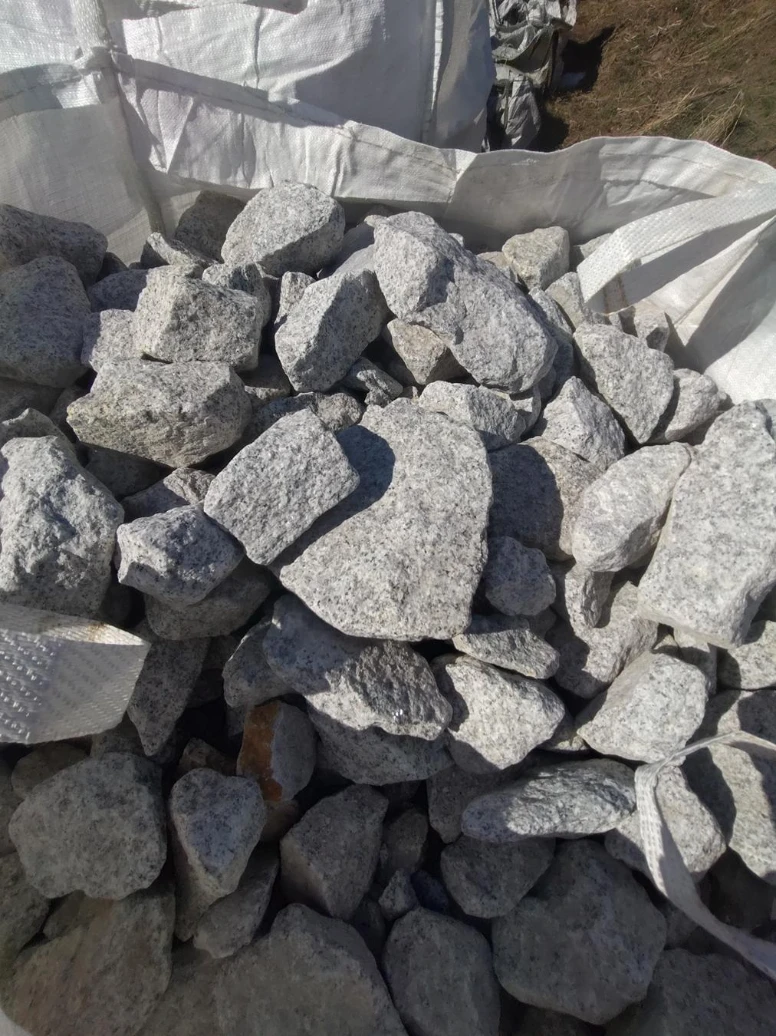
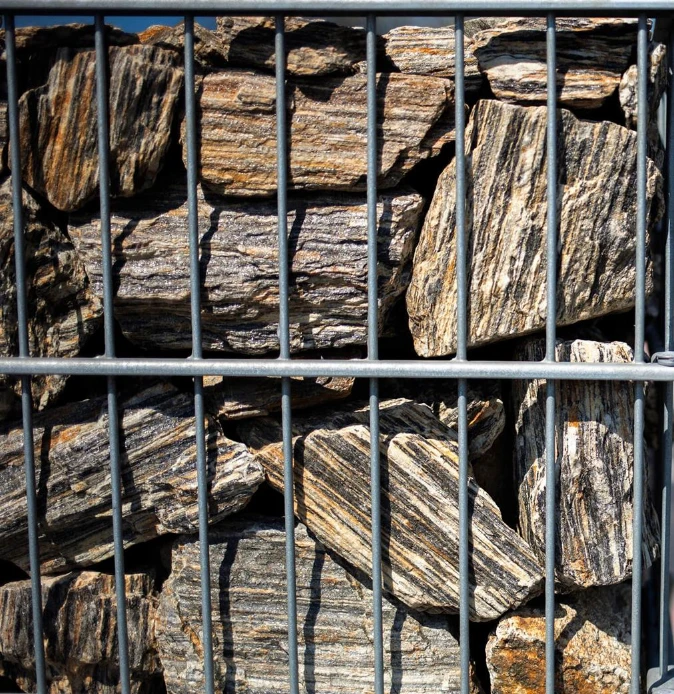
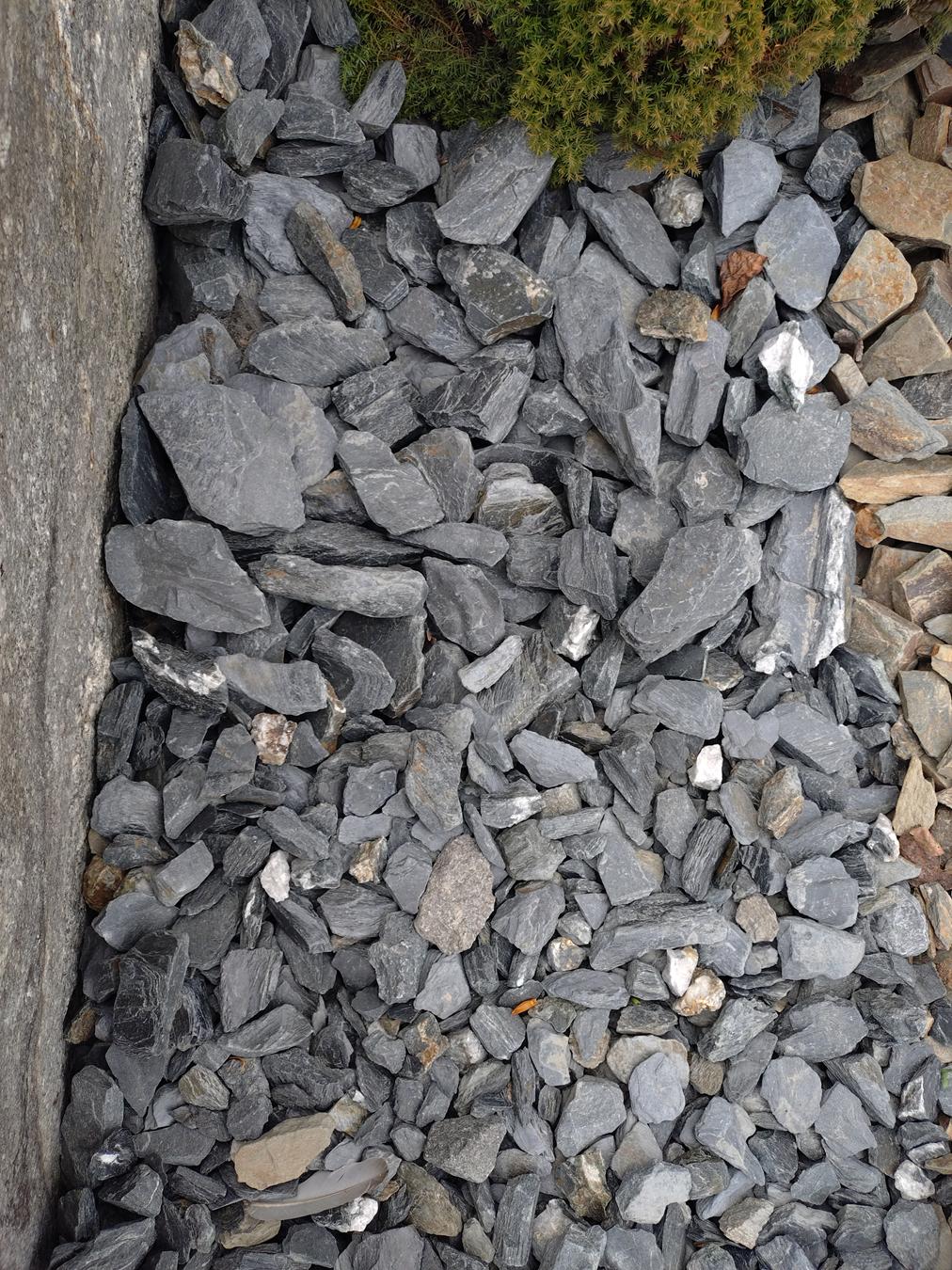
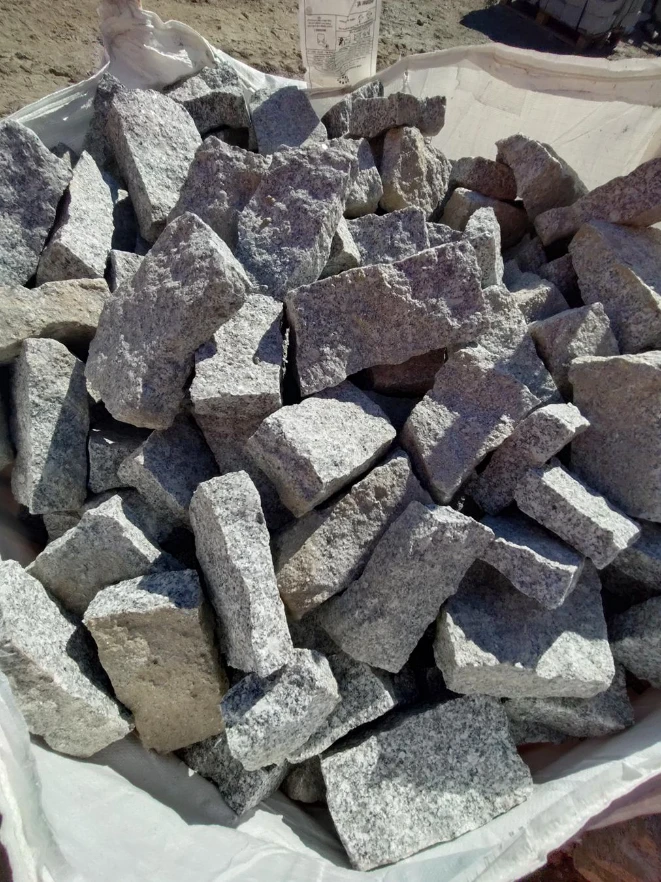
It is a natural sedimentary–metamorphic rock with a layered (cleavable) structure, compact and very hard. In Poland it is often found in the form of decorative aggregate (stone bark) or façade and pathway slabs. Its color and shape make it one of the most popular “stone bark” materials used in gardens. Its appearance is very similar to natural wooden bark, making it ideal for installation along fences and in larger planting beds. The color is brown-grey, with warm tones clearly dominating the overall appearance.

A comprehensive range

Tried-and-tested mines and material selection

Time-sensitive logistics
- Up to 4 types of gravel
- Delivered straight to a parcel locker
- See how this stone looks
- The cost of the samples is 50 zł, including postage
- Please place your order by email
Greywacke Slate – 300 PLN/ton (big bag)
Greywacke slate is a natural sedimentary–metamorphic rock with a layered (cleavable) structure. It is compact and very hard. In Poland it is often used as decorative aggregate (stone bark) or as façade and pathway slabs. Its color and shape make it one of the most popular “stone bark” materials used in gardens. It closely resembles natural wooden bark in appearance, making it ideal for use along fences and in larger flower beds. The color is brown-grey with warm tones dominating the visual impression.
Take a look at our Facebook page to see how this material looks:
https://www.facebook.com/photo?fbid=122094299462815149&set=pcb.122094306422815149
https://www.facebook.com/reel/760259276666158
Most popular fractions and typical applications
| Fraction | Typical use | Notes |
|---|---|---|
| 20–40 mm / 30–60 mm | Flower beds, rock gardens, plant mulching, pots, garden borders, walkways | Strong “stone bark” effect, highly decorative |
| 40–60 mm / 60–80 mm | Paths, terraces, larger flower beds, water features, retaining walls | Most commonly purchased – a good decorative and practical balance |
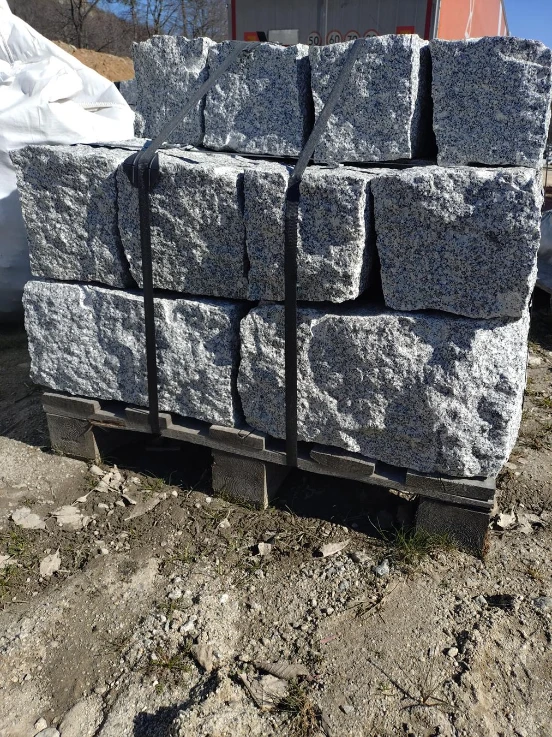
| 60–150 mm | Gabions, large compositions, borders, decorative drainage, rock gardens | Gabion / block version for larger structures |
Ideal for flower beds, paths, gabions, mulching and façades – it creates a natural “bark-like” effect without the disadvantages of organic bark (such as rotting). Most often chosen in the 40–60 mm or 60–80 mm fraction as greywacke stone bark. It looks excellent with conifers, ornamental grasses, heathers, modern garden arrangements and architectural concrete.
The wide range of products made from this material allows you to maintain a consistent and elegant style throughout your landscape using a single type of stone.
Key properties of greywacke slate
- Rock type — greywacke, a compact sandstone with shale inclusions; metamorphic and strongly cleavable
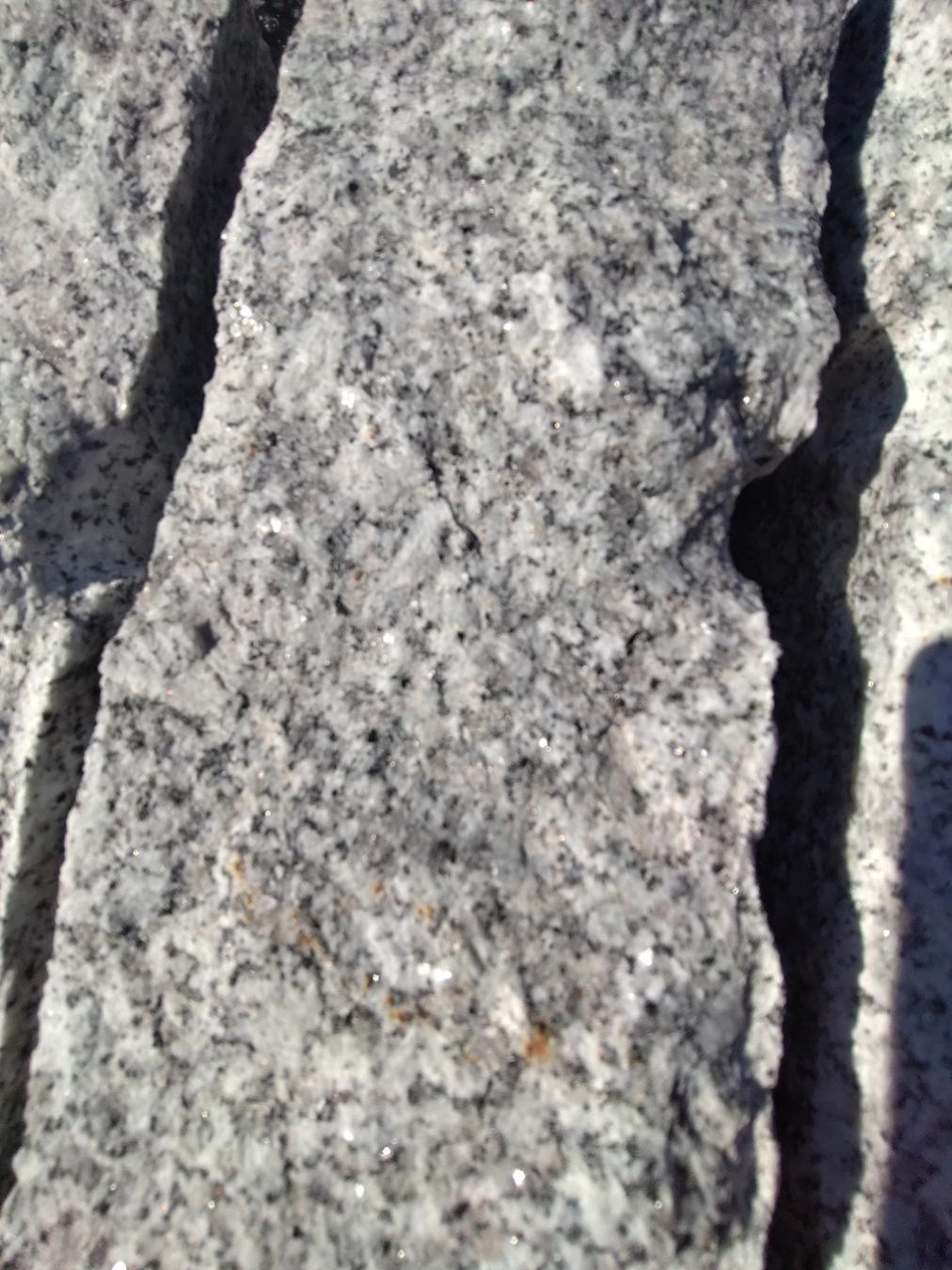
- Color — grey-graphite / graphite-brown / dark grey with brown streaks and subtle satin shine
- Grain shape (stone bark form) — flat, broken, irregular with sharp edges, creating a strong tree-bark effect
- Hardness — high (approx. 5–7 on the Mohs scale), very resistant to abrasion and mechanical damage
- Frost resistance — full (F1–F2), excellent for Central European climates – does not crack, flake or change color
- Water absorption — low, resistant to staining and moss growth
- Weather resistance — extremely high; resistant to UV radiation, frost and rain
- Aesthetics — neutral, elegant and suitable for both modern and rustic designs; the grey-graphite palette contrasts beautifully with greenery, concrete, wood and plants with bright foliage
- Practical advantages — suppresses weeds, retains soil moisture, stabilizes the ground, heavy and wind-resistant, does not require seasonal replacement
- Natural, eco-friendly material without artificial pigments; chemically neutral (does not deacidify soil)
Other forms
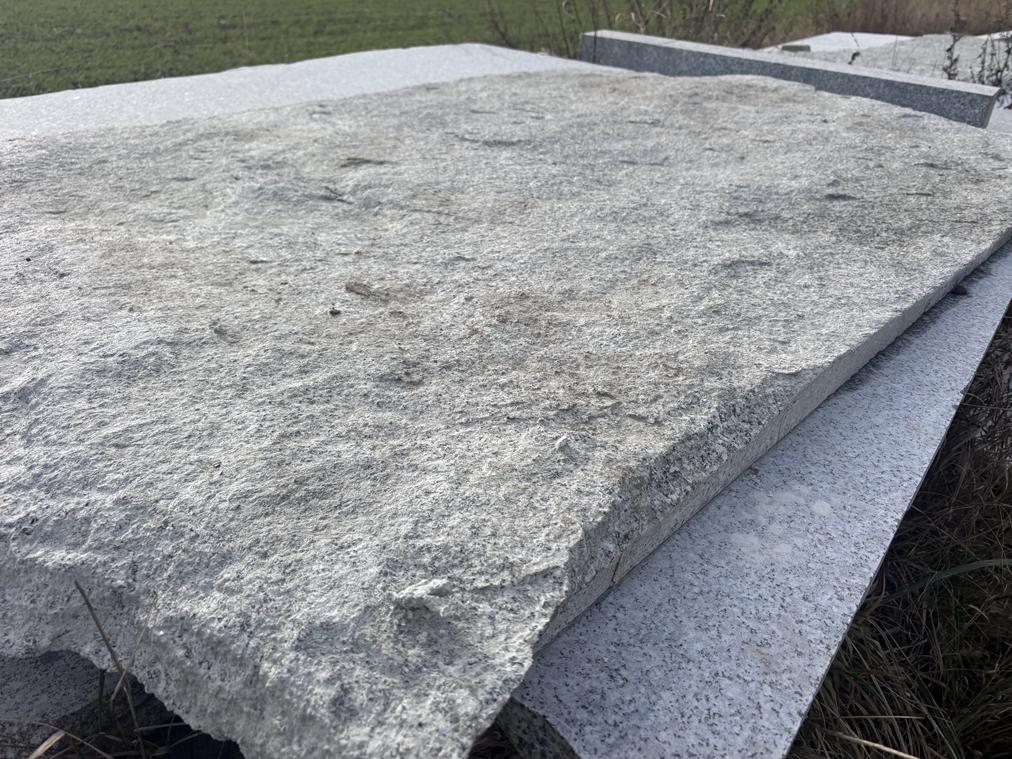
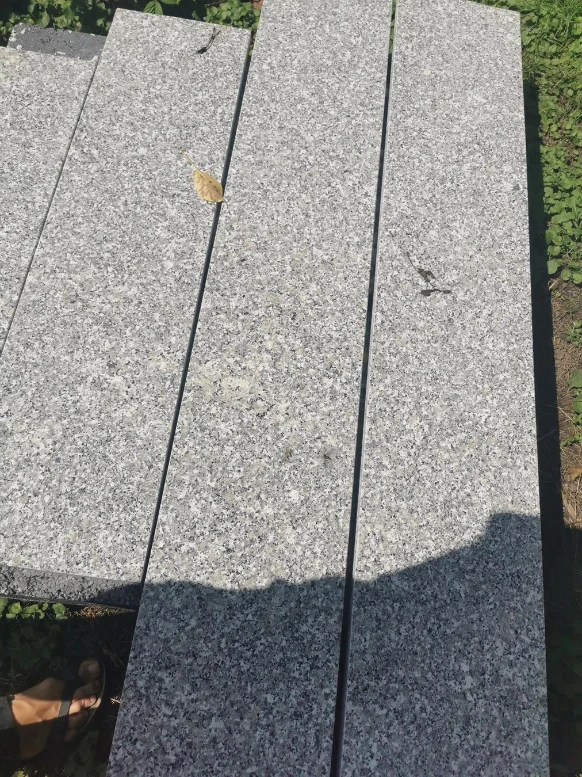
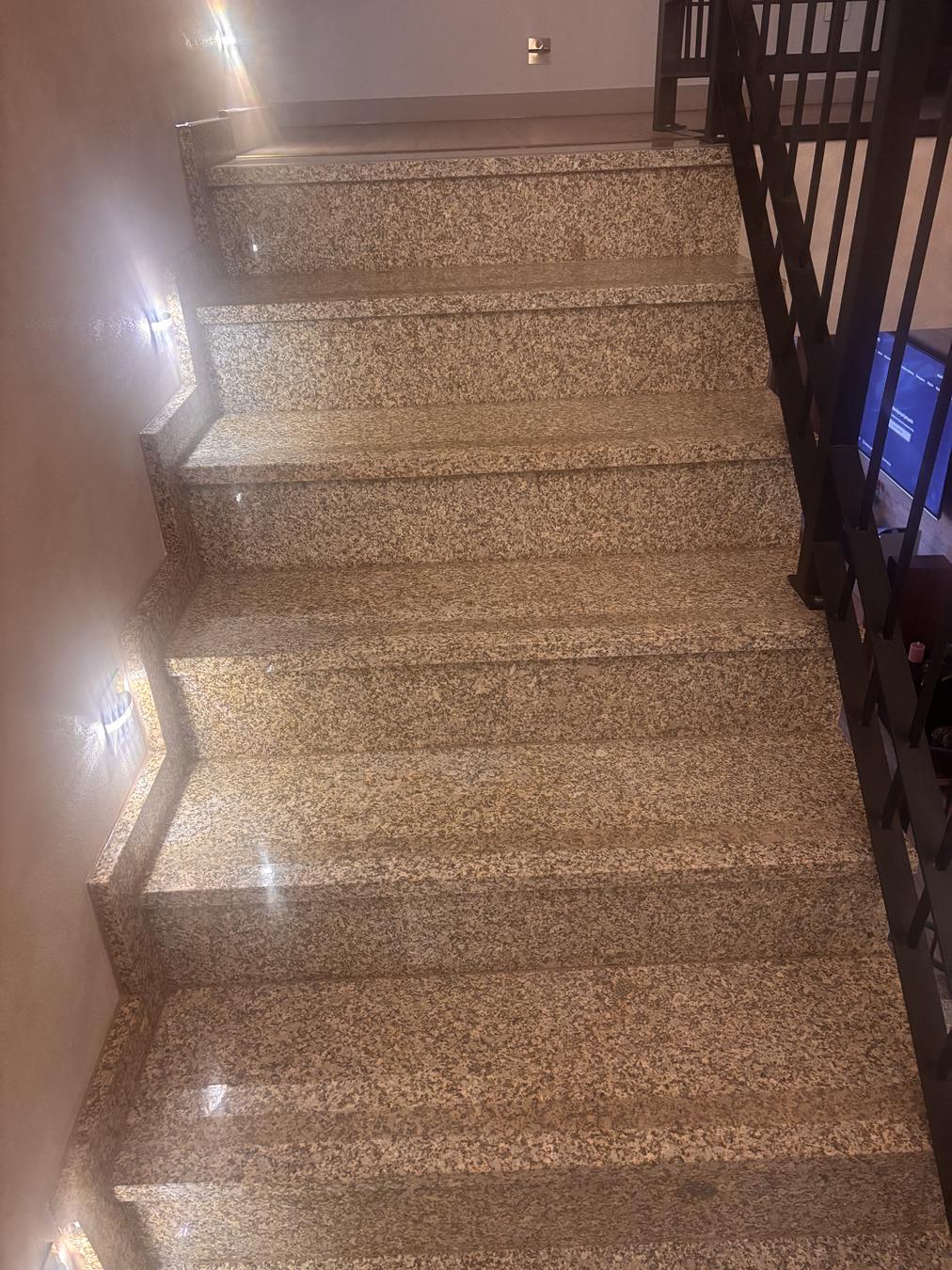
- Façade / pathway slabs (thickness 3–6 cm) → façades, stairs, driveways, retaining walls, ponds, cascades
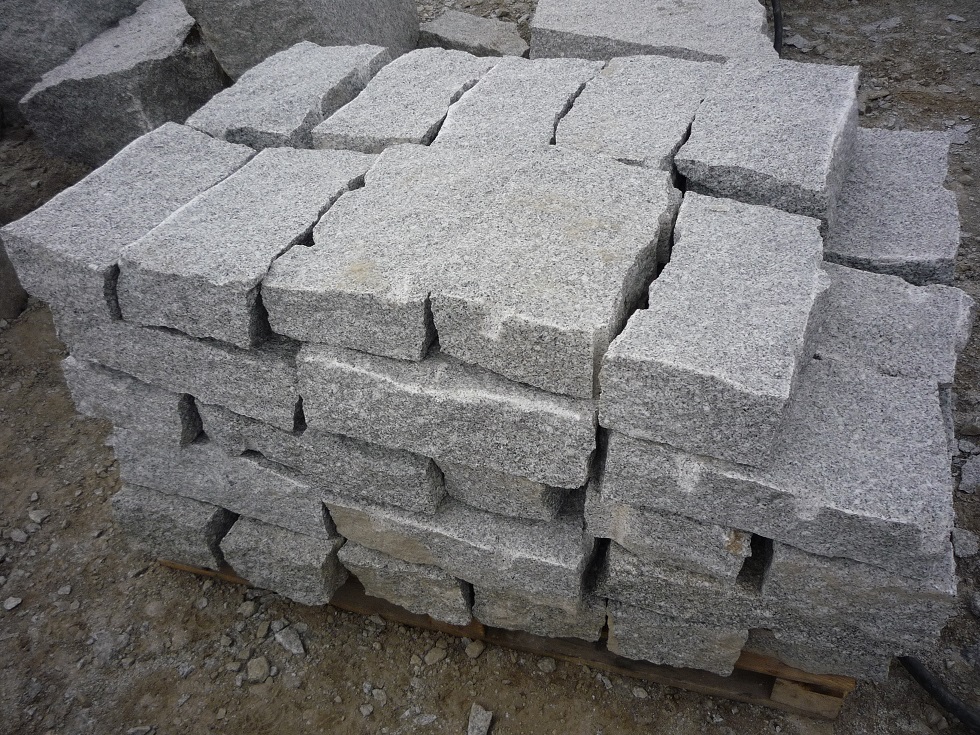
- Boulders / large stones → solitaires, large decorative compositions, pond borders
Ideal for flower beds, paths, gabions, mulching and façades – it creates a natural “stone bark” effect without the disadvantages of organic bark. Most commonly used in 40–60 mm or 60–80 mm fractions. It pairs perfectly with conifers, ornamental grasses, heathers, modern designs and architectural concrete.
