




Janowice Marble Grit
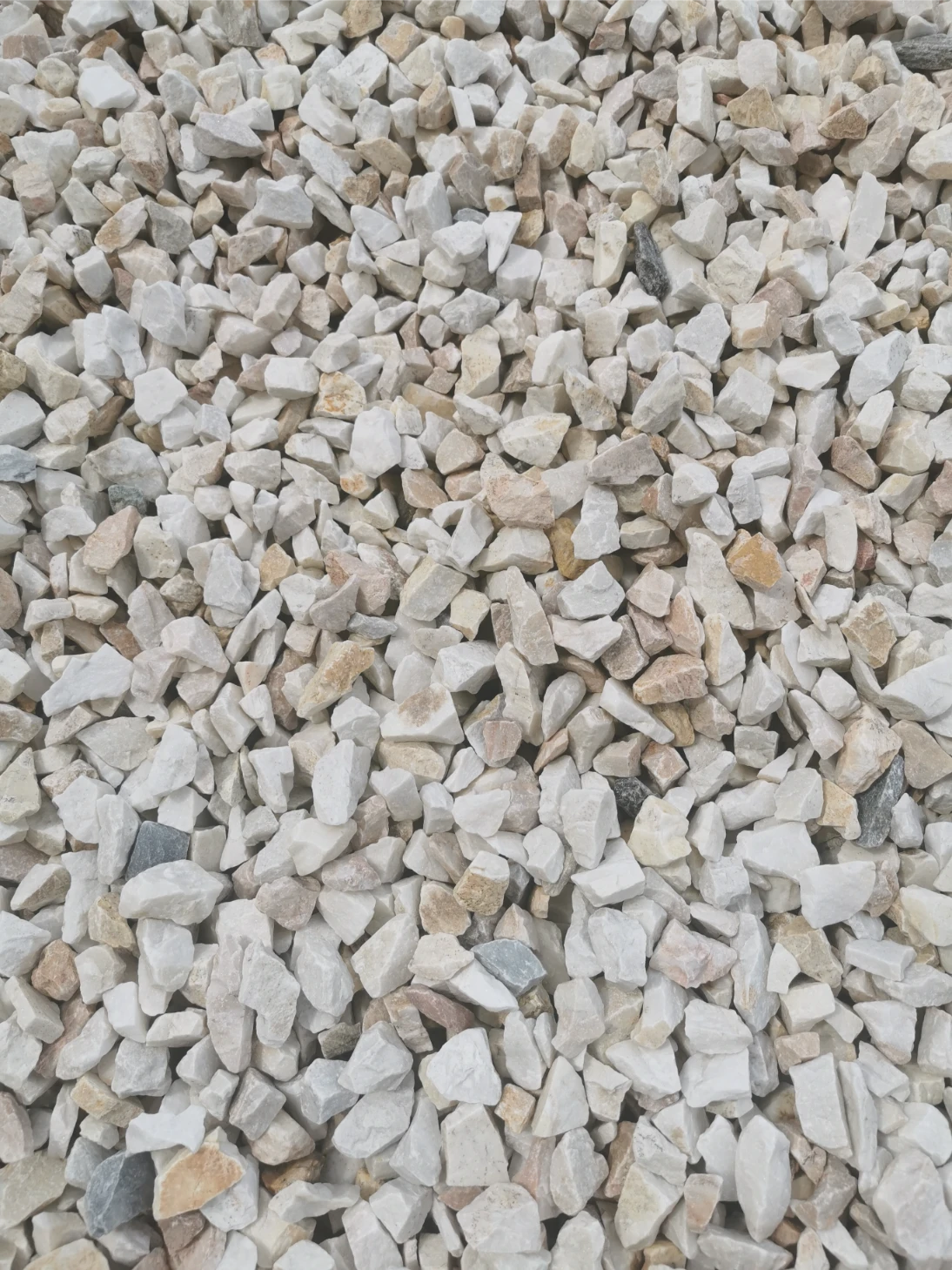
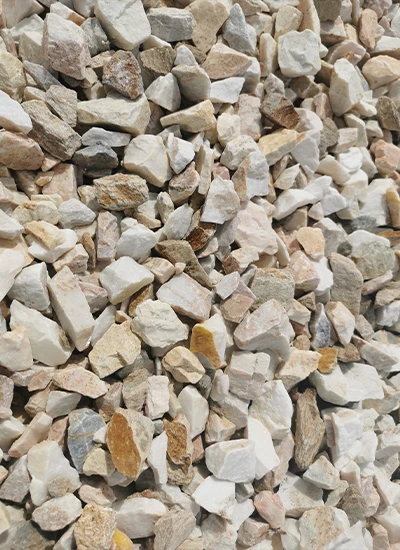
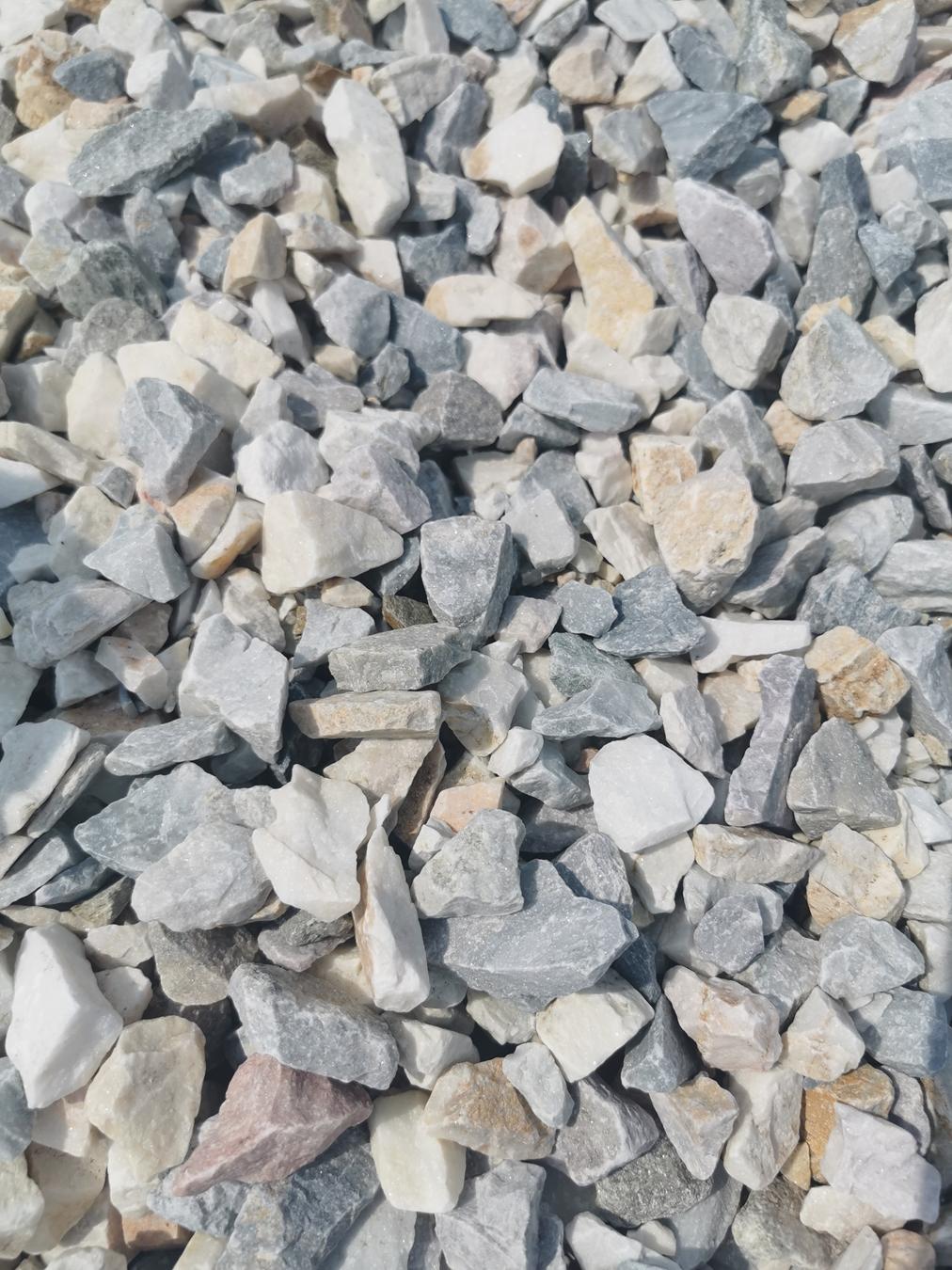
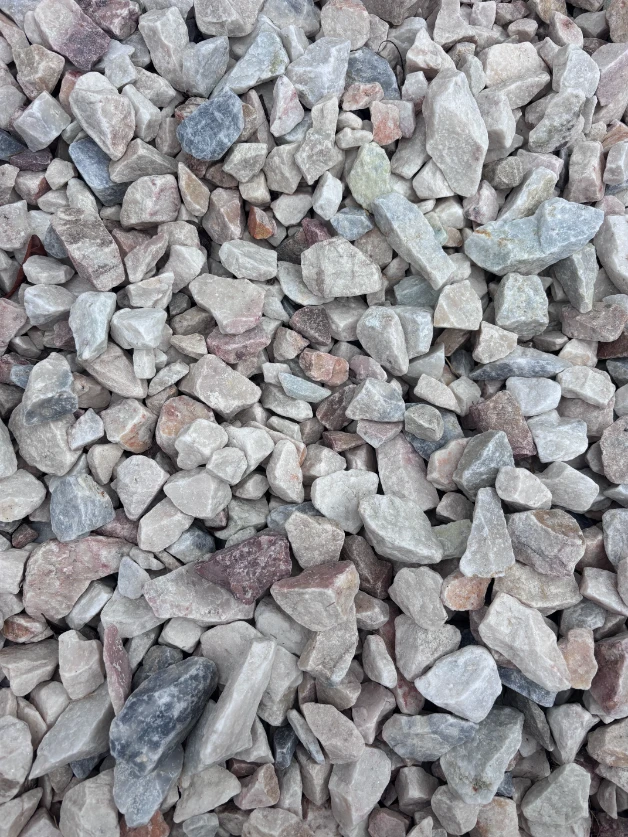
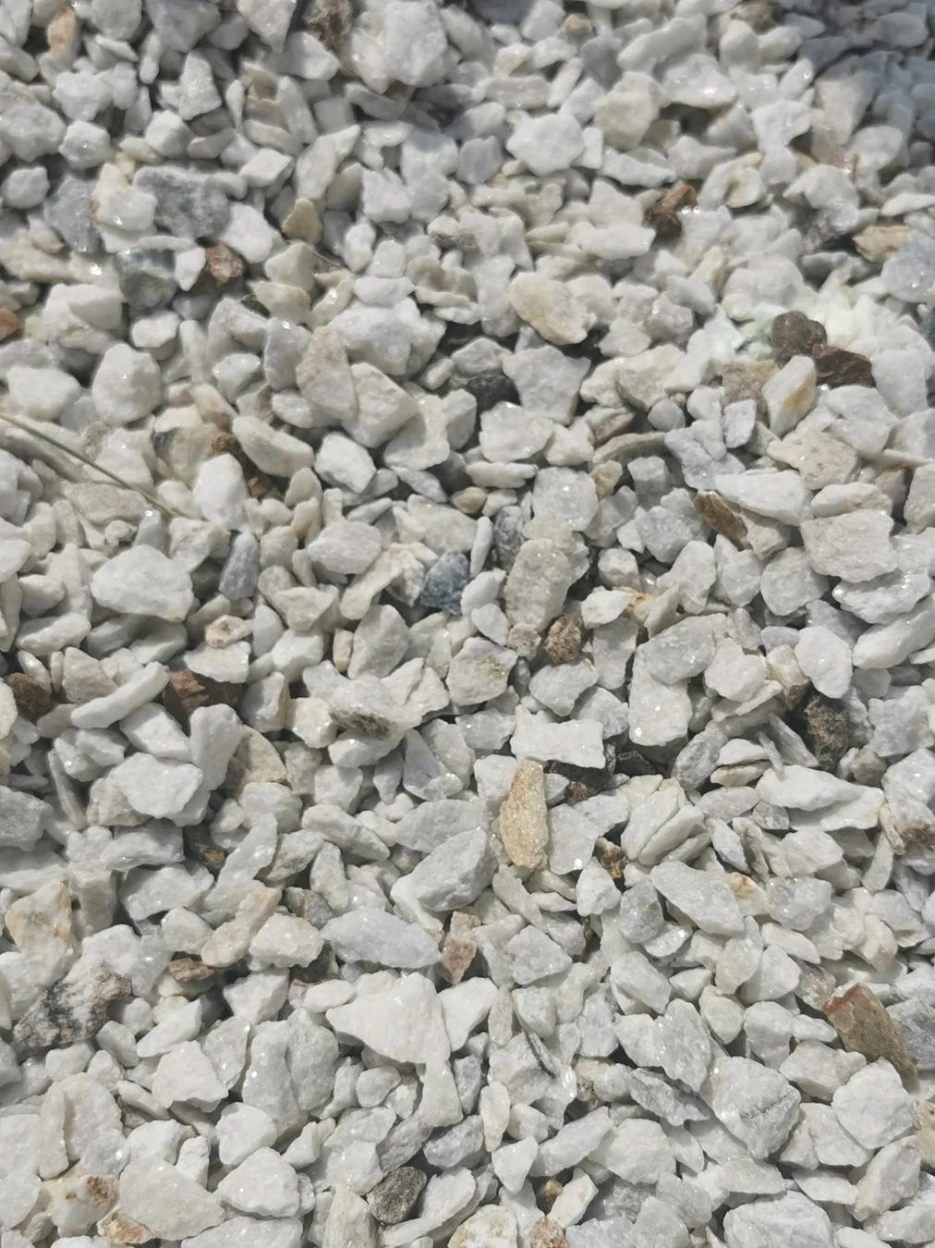
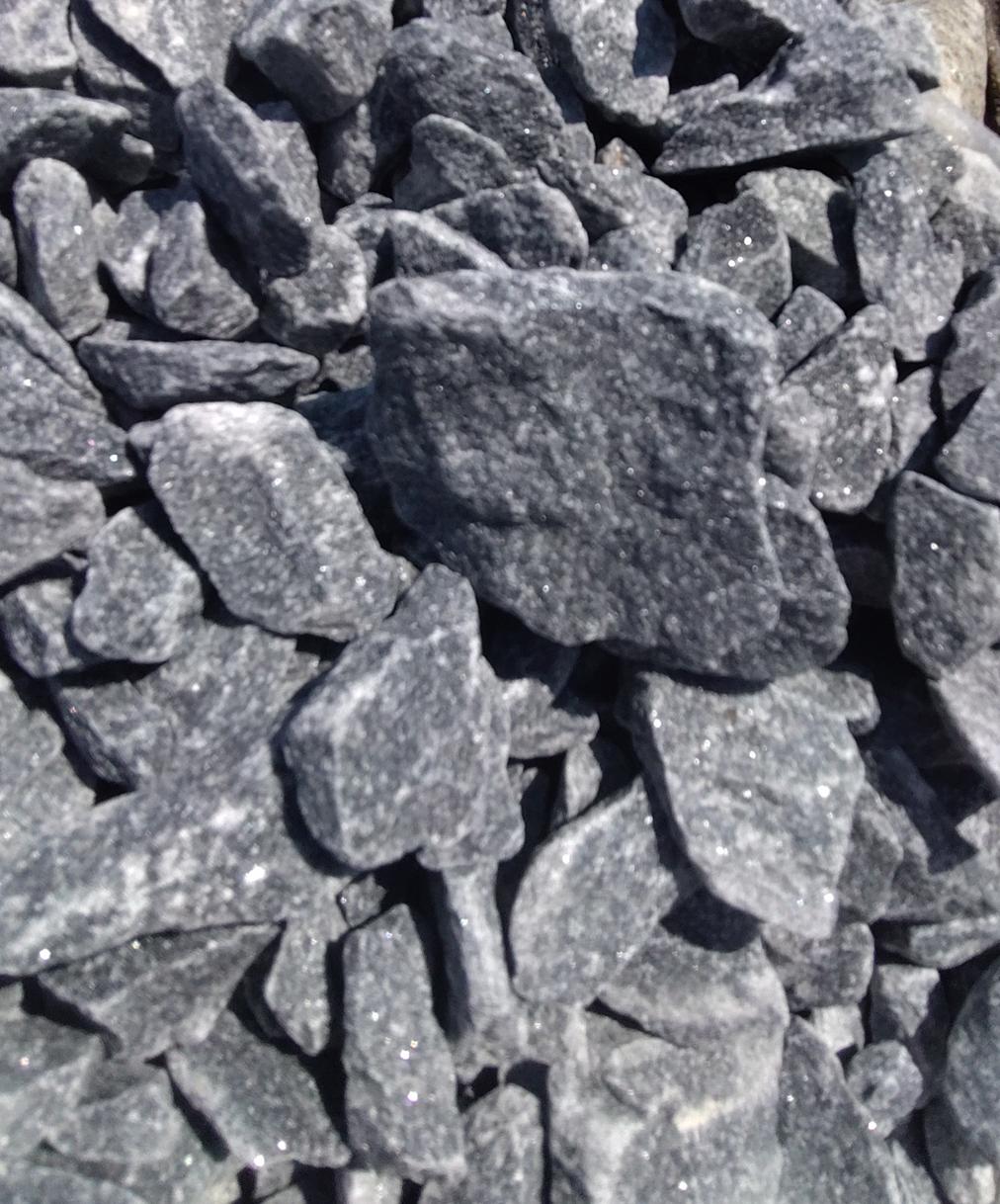
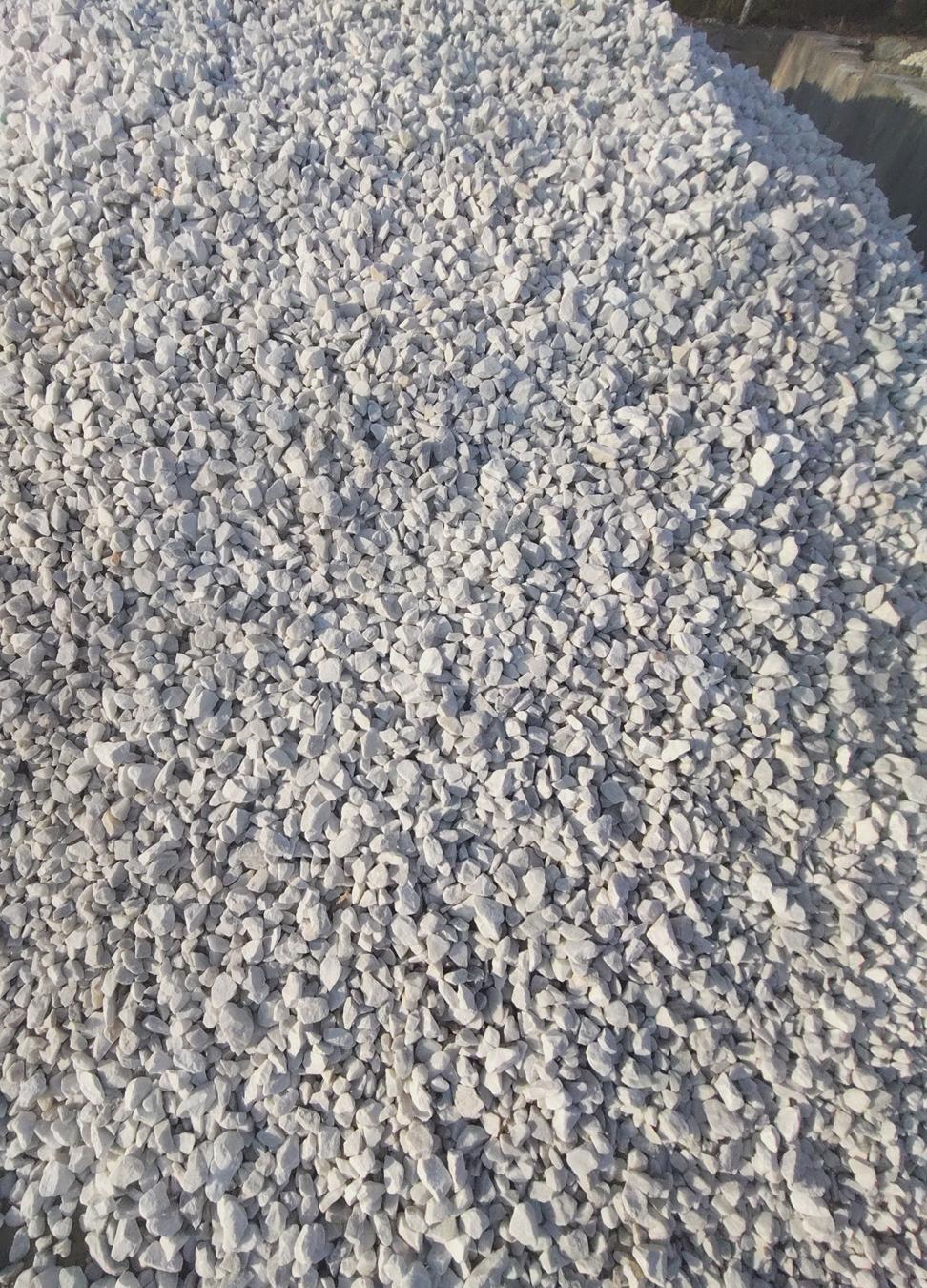
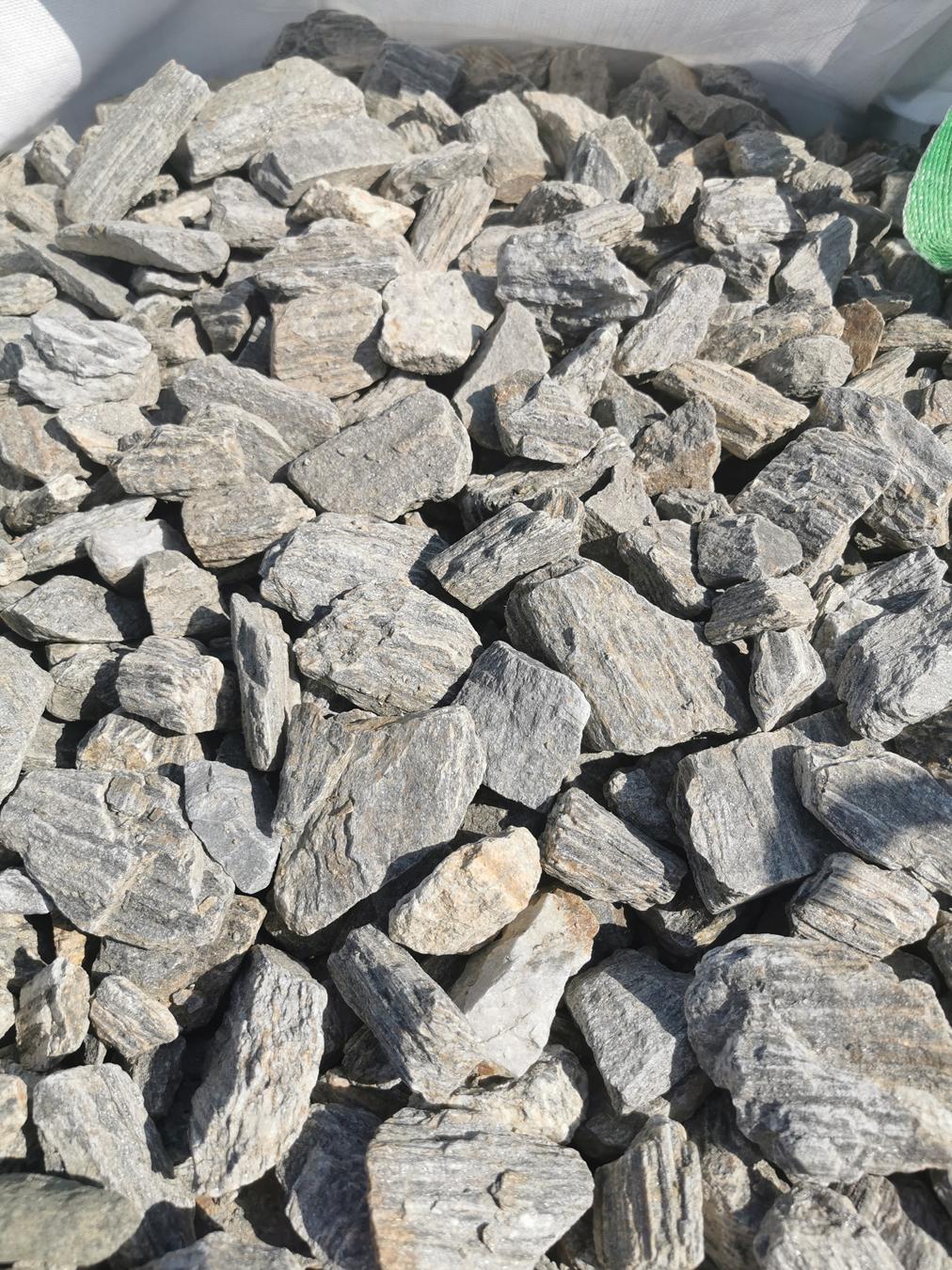
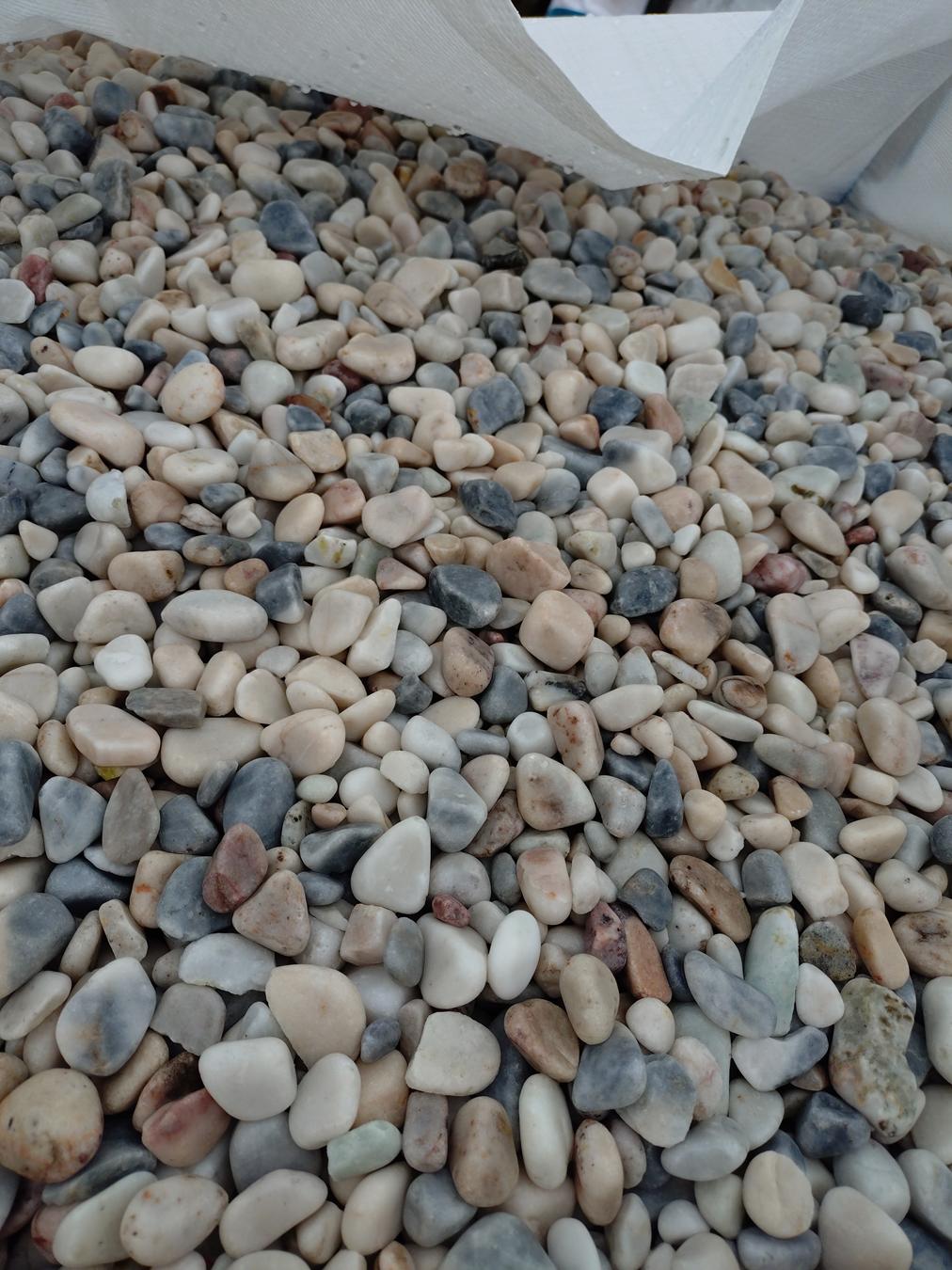
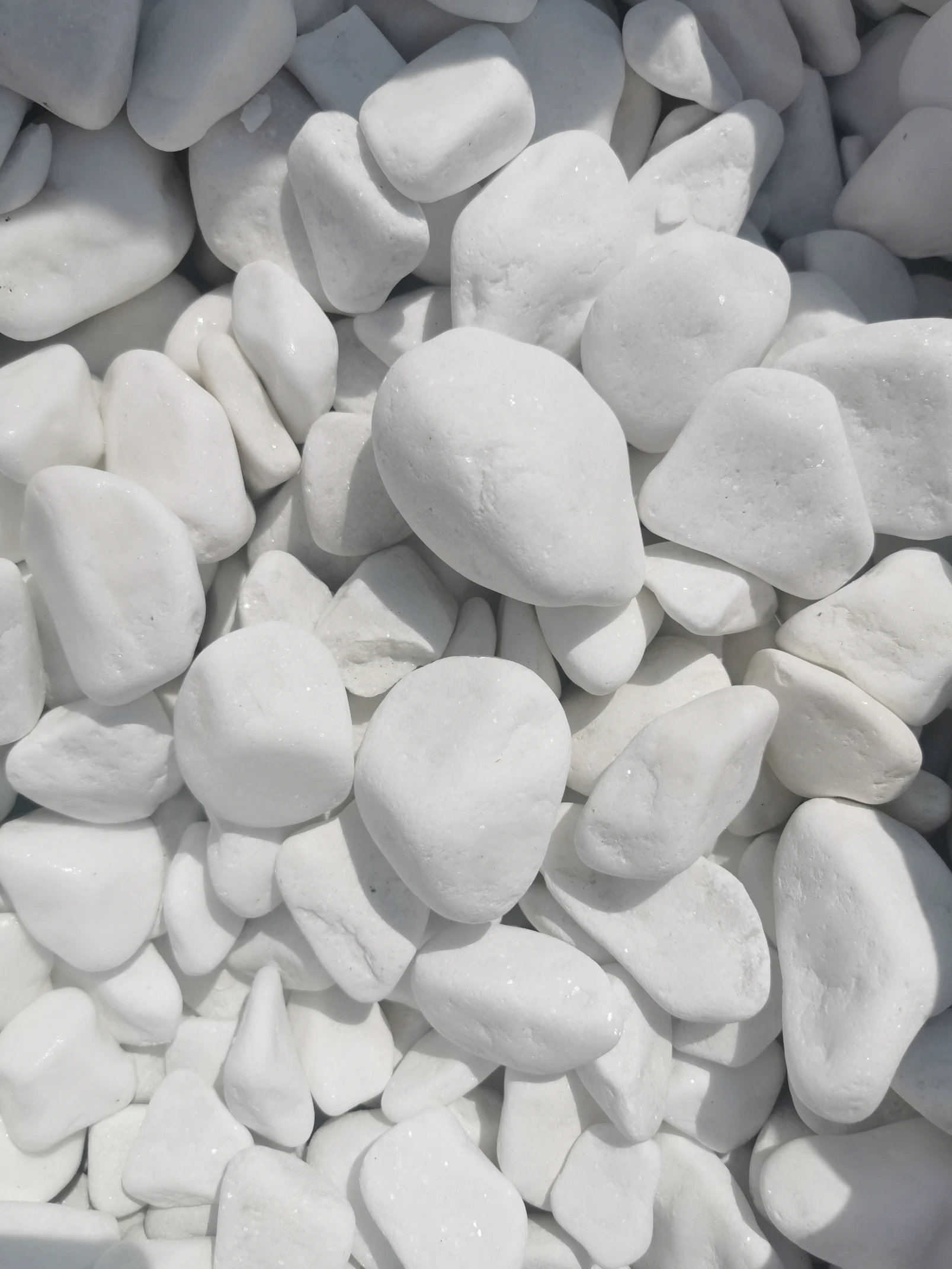
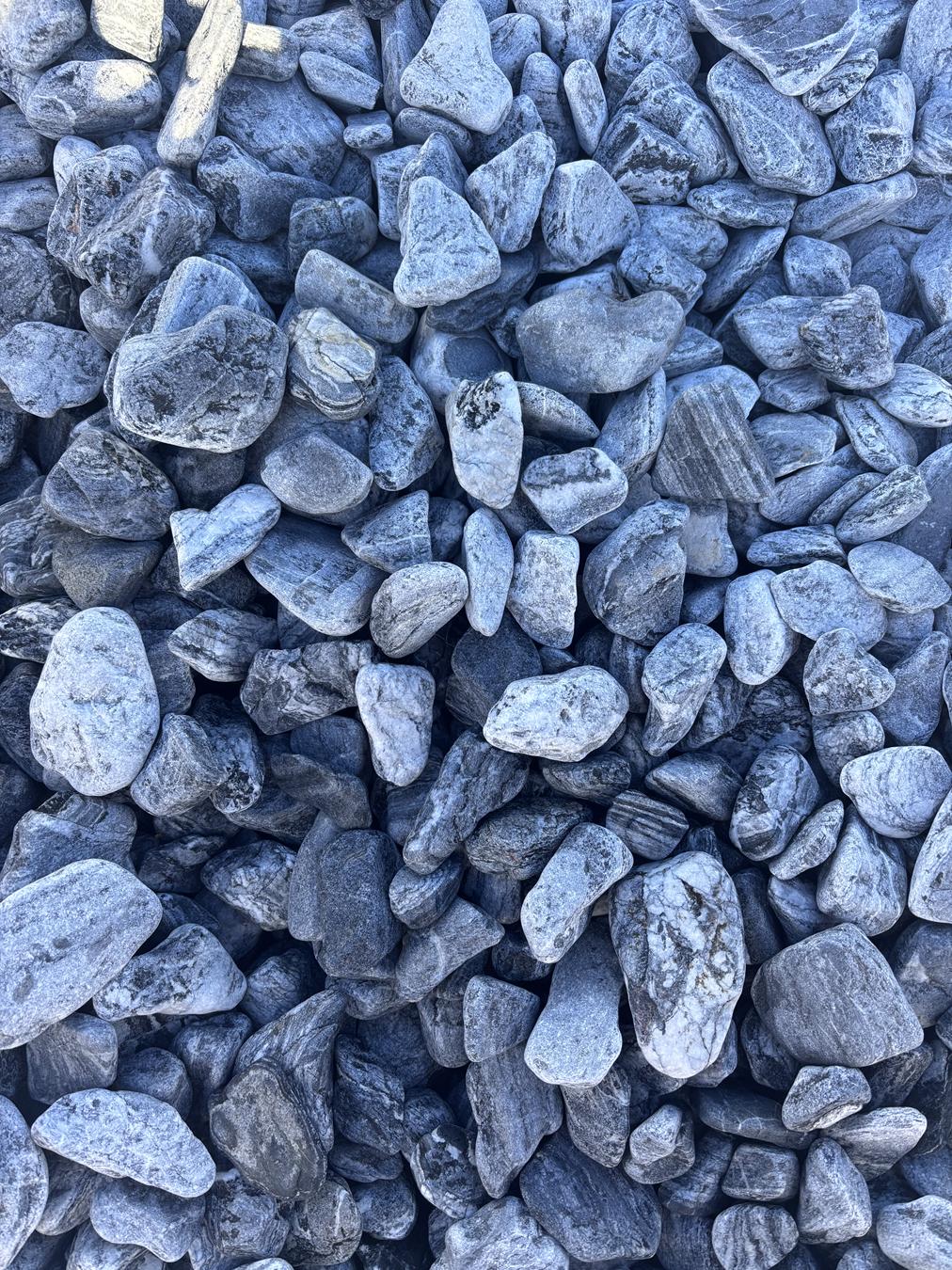
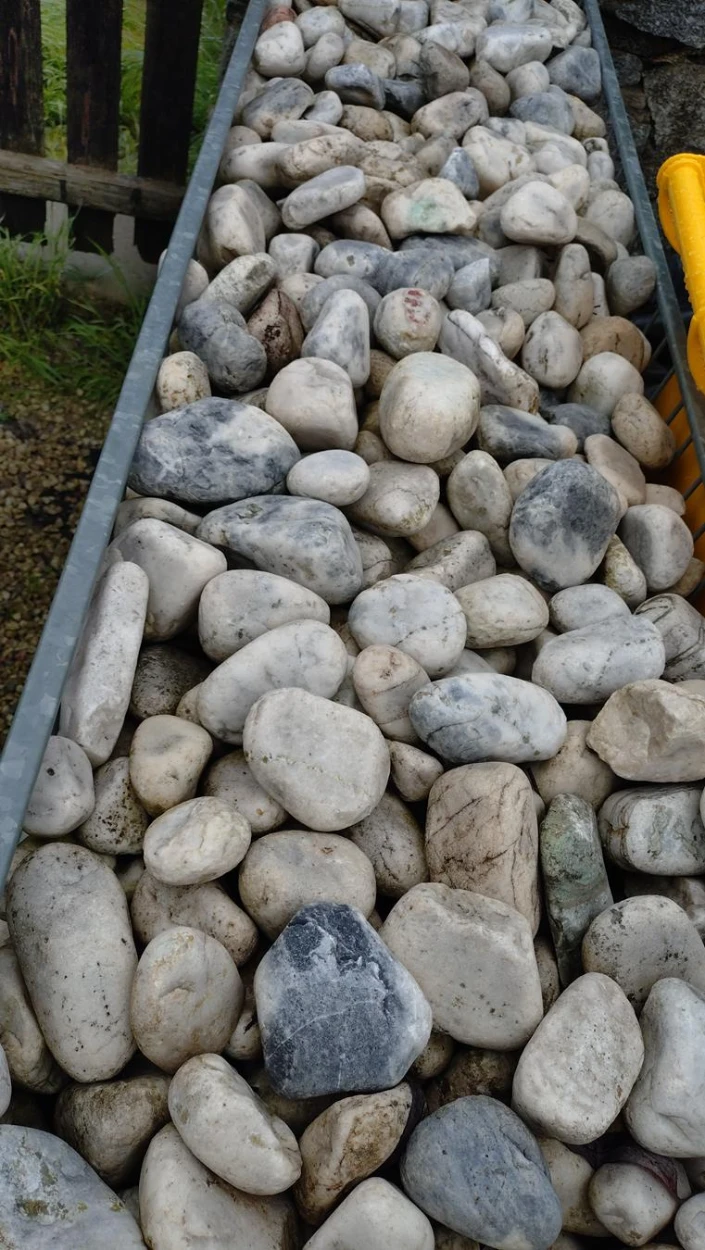
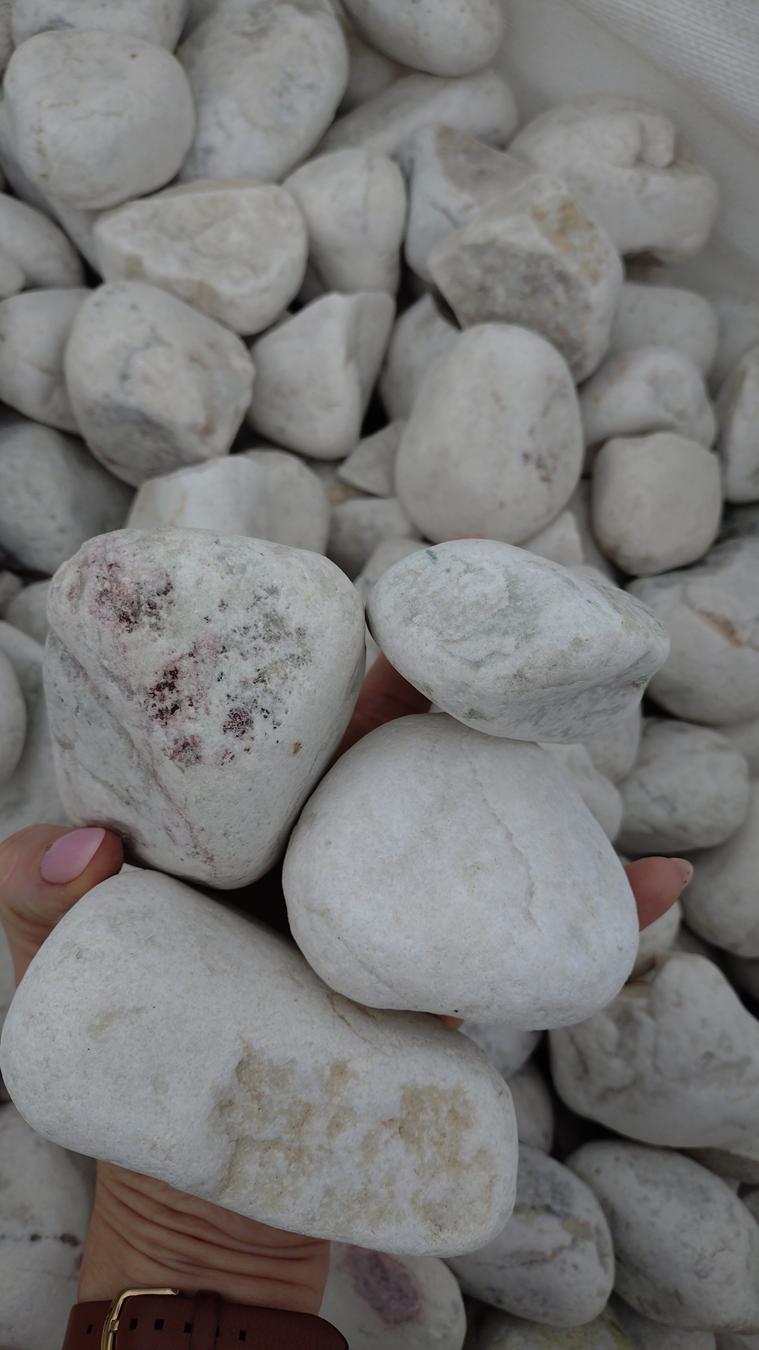
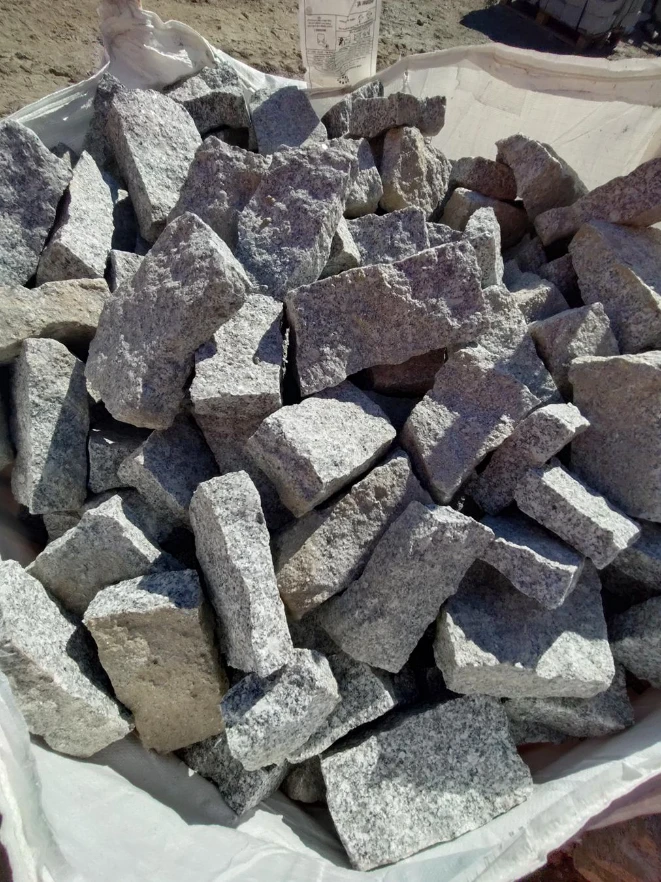
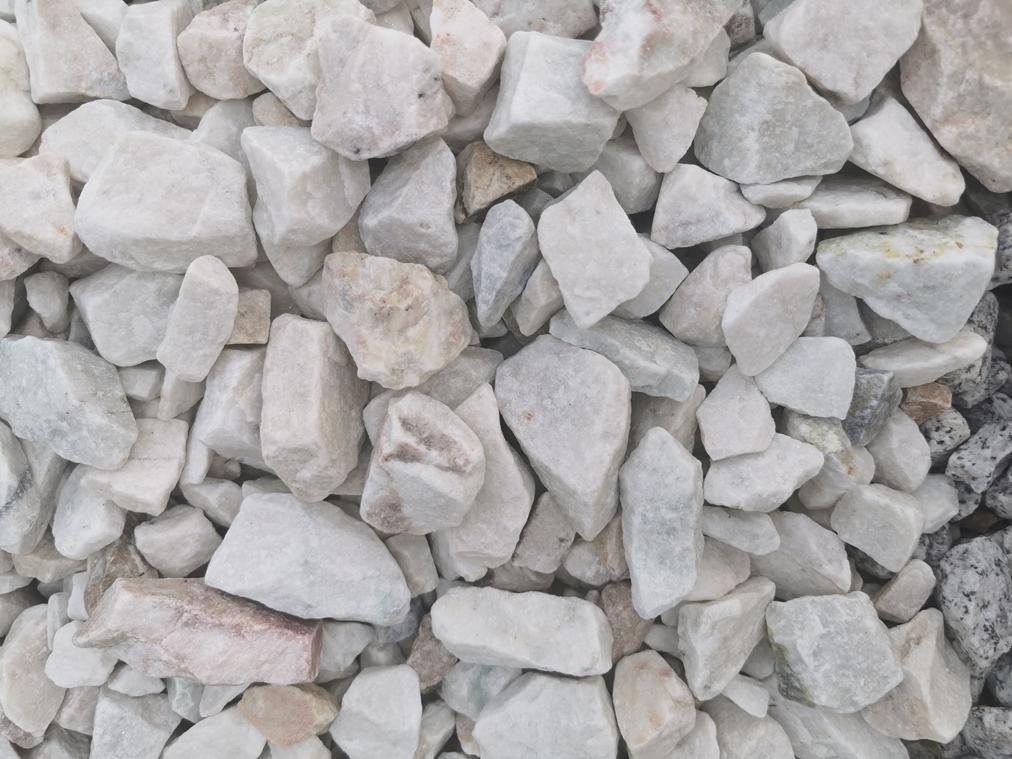
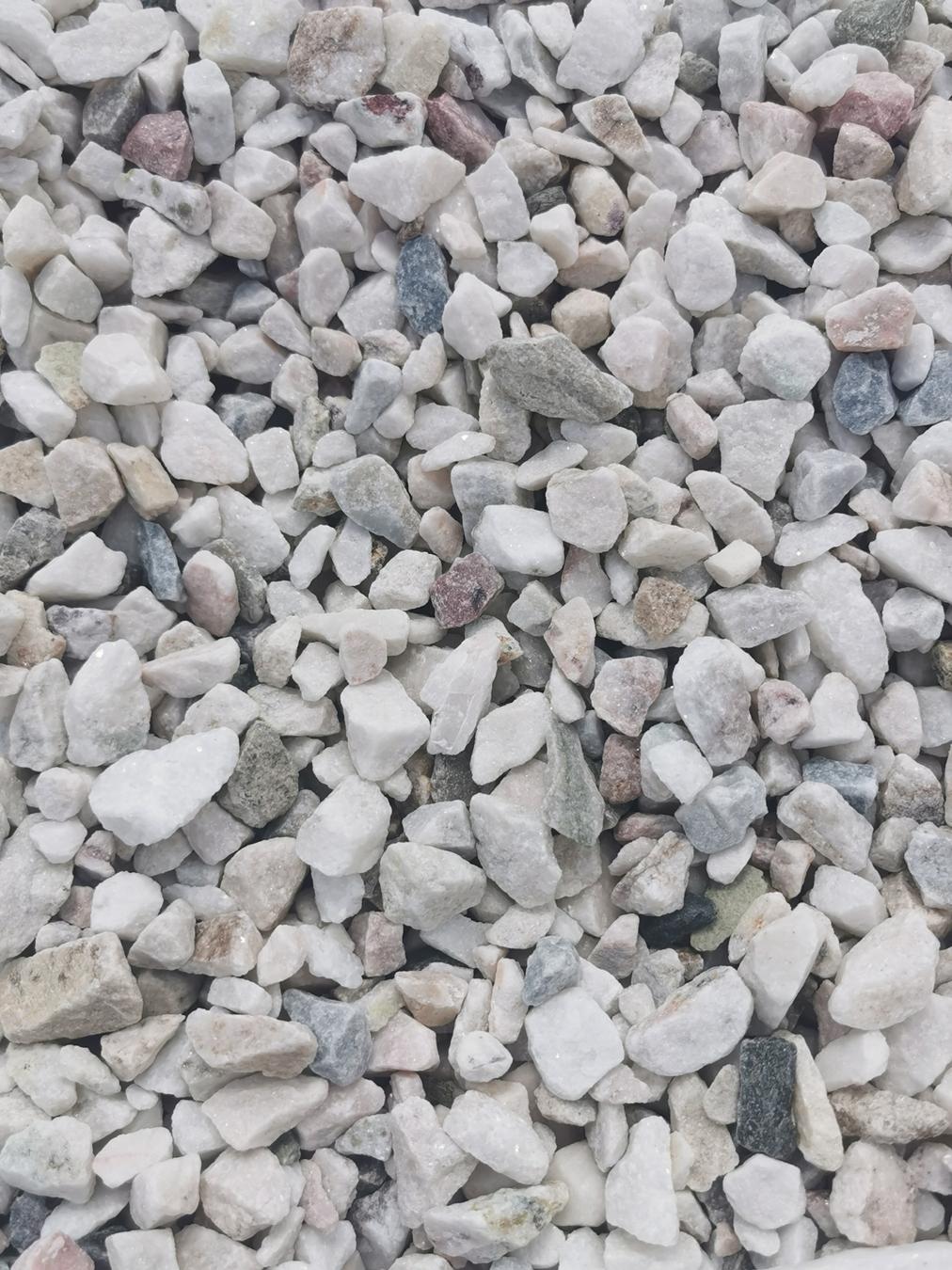
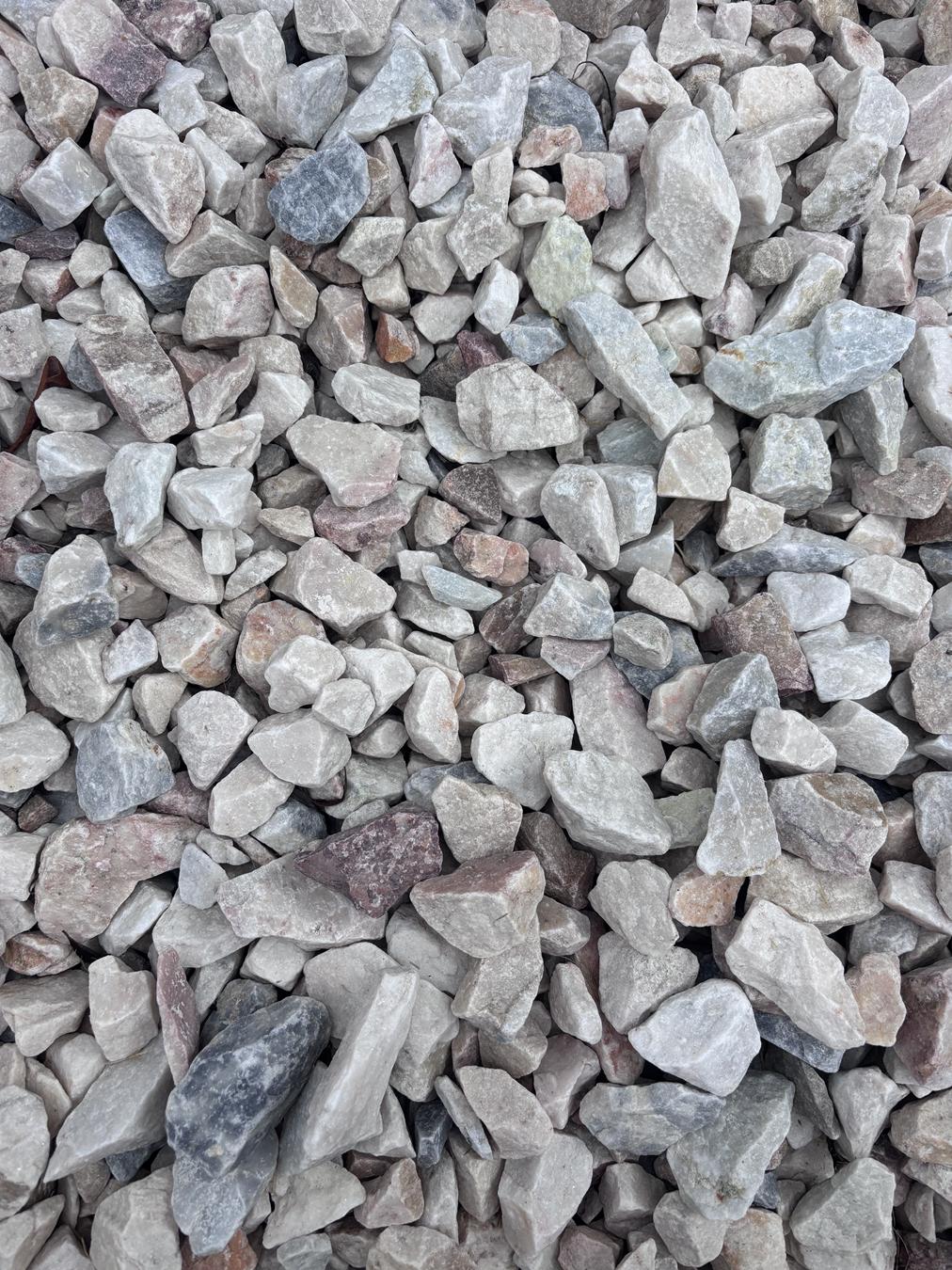
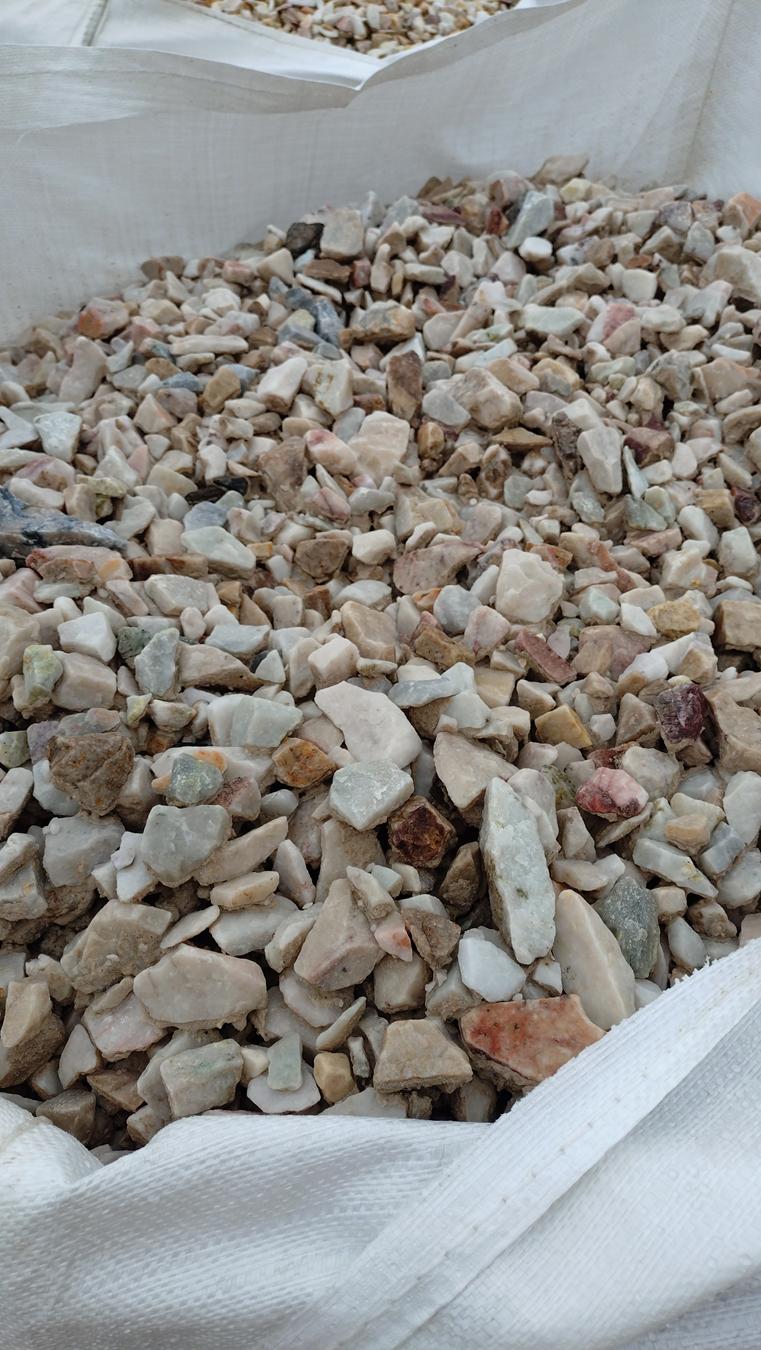
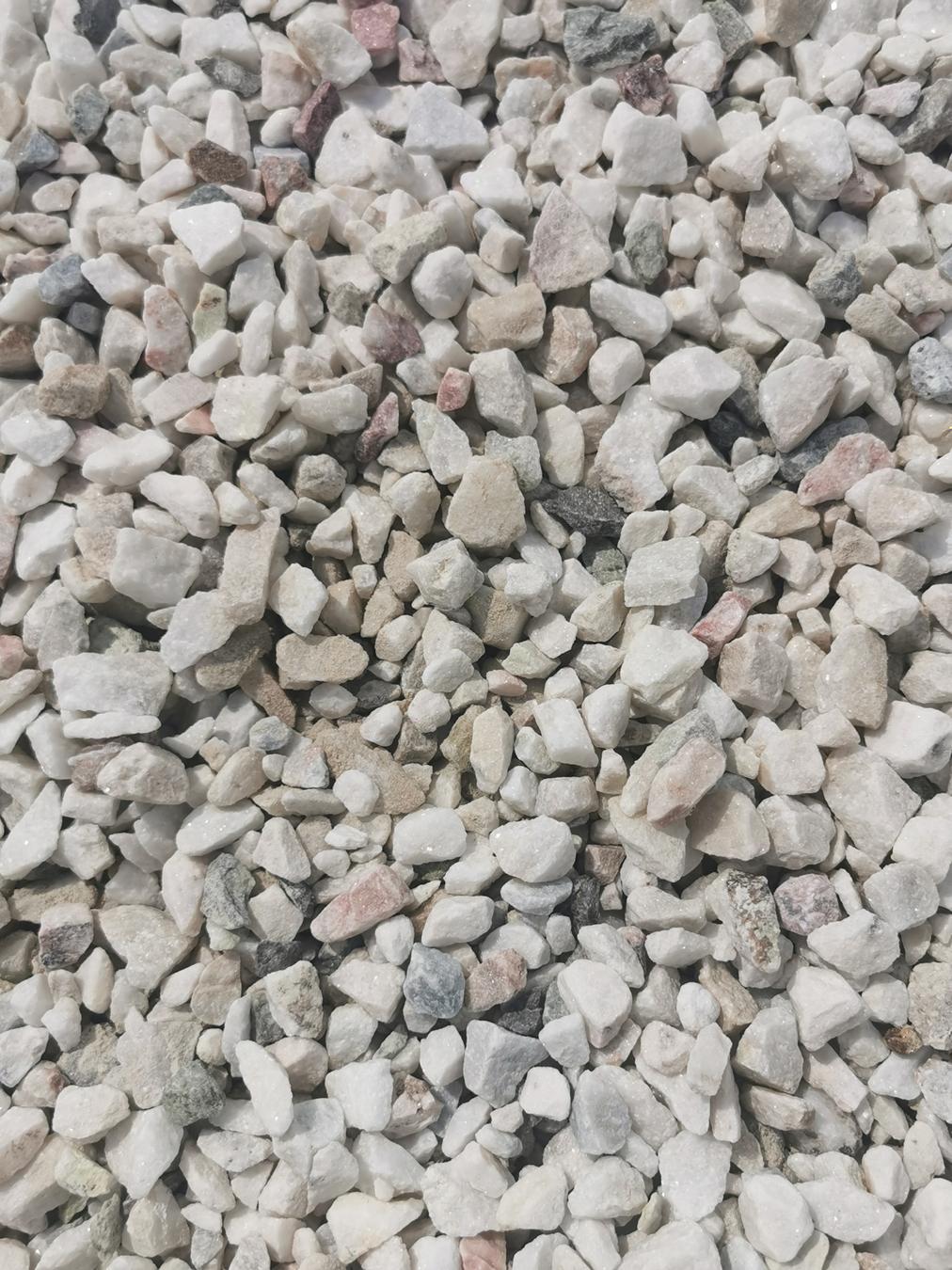
Janowice marble grit is a dolomite aggregate in a white color accompanied by pastel shades such as delicate pink, blue, green and red, all combined with shimmering crystals of the dolomite mineral that have a glassy or pearly shine. Recommended for every type of garden.

A comprehensive range

Tried-and-tested mines and material selection

Time-sensitive logistics
- Up to 4 types of gravel
- Delivered straight to a parcel locker
- See how this stone looks
- The cost of the samples is 50 zł, including postage
- Please place your order by email
Janowice Marble Grit – 410 PLN / ton in a big bag
Janowice marble grit is a dolomite aggregate in a white color accompanied by pastel shades such as delicate pink, blue, green and red, all combined with shimmering crystals of the dolomite mineral that have a glassy or pearly shine. Recommended for every type of garden.
Take a look at our Facebook page and see how this material looks:
https://www.facebook.com/photo?fbid=122094284726815149&set=pcb.122094285044815149
https://www.facebook.com/reel/1183182116682496
INFO HOW MUCH AREA CAN BE COVERED WITH 1 TON
Most popular fractions and typical applications
| FRACTION | TYPICAL APPLICATION |
|---|---|
| 8–16 mm | Flower beds, mulch, planters, rock gardens, small paths, garden ponds |
| 16–35 mm | Paths, walkways, house borders, terraces, larger flower beds |
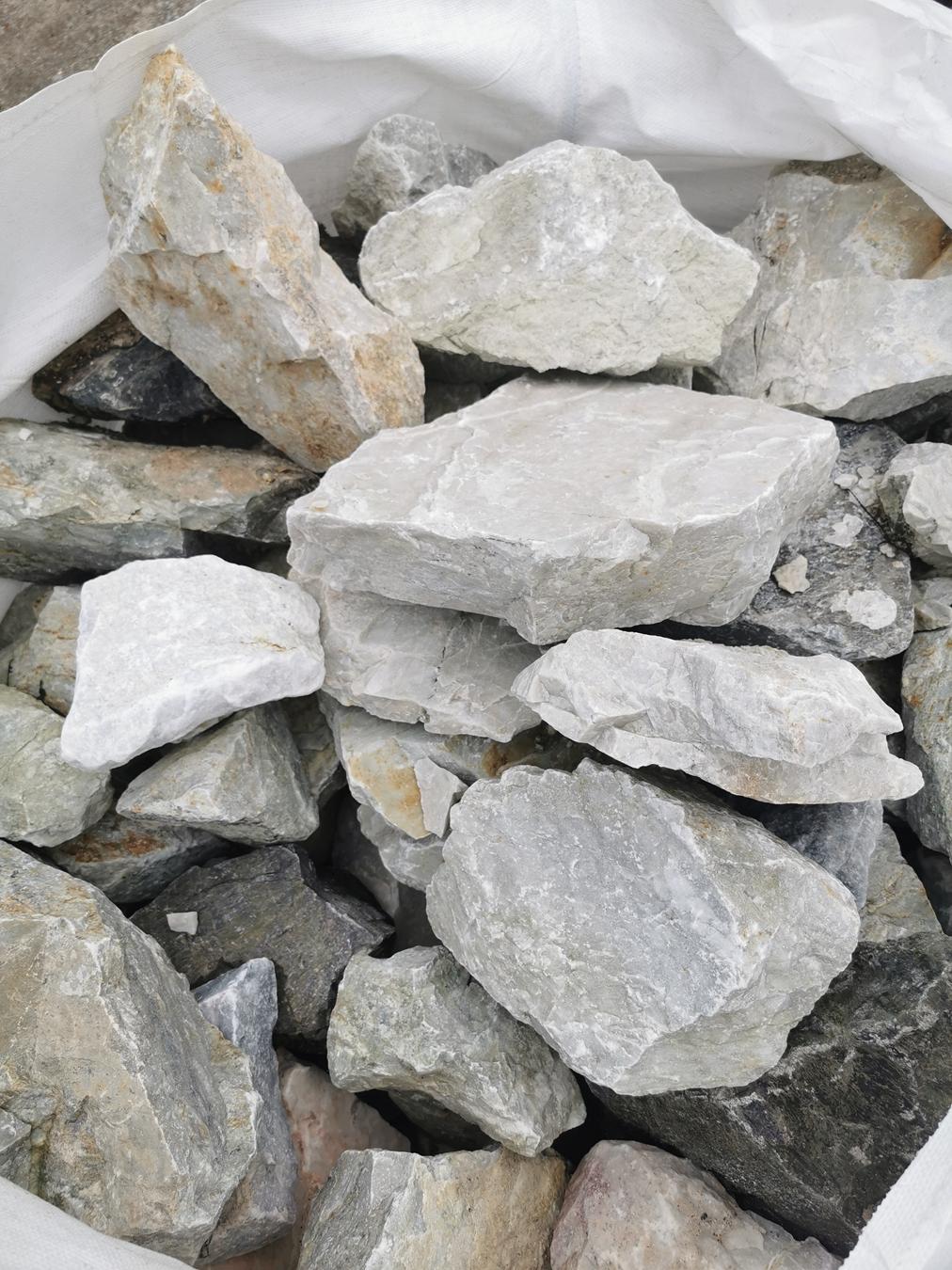
| 35–60 mm 60–100 mm | Large compositions, gabions, edging, decorative drainage |
Key features and description:
- Rock type → dolomitic (dolomitic marble) – natural carbonate rock (mainly CaMg(CO₃)₂), not dyed
- Dominant color → light, pastel / cream-white → approx. 50–60% of grains are purely white or very light → the rest contains subtle admixtures: beige, cream, light brown, gray, sometimes slight yellowish, pink or bluish discolorations → the whole creates a pastel, neutral, light tone
- Visual effect → numerous crystals in the structure → the stone beautifully shimmers and sparkles in sunlight
- Processing → contains dust, requires rinsing
- Hardness → medium (dolomite ≈ 3.5–4 on the Mohs scale) → sufficient for decorative use but not for driveways with car traffic
- Water absorption → moderate to high (like most dolomites / marbles) → may darken slightly after rain, absorbs water, prone to moss / algae growth in humid places and on the northern side
- Acid resistance → low (dissolves under the influence of acids → not recommended near acidic fertilizers or animal waste)
- Soil deacidification → positive – dolomite naturally raises soil pH → ideal for conifers, heather plants and plants that prefer alkaline soil
- Coverage → approx. 12–14 m² from 1 ton with a layer of 4–5 cm
- Recommended use → flower beds, borders around the house, planters, rock gardens, garden ponds, mulch under trees / shrubs, paths with low traffic, naturalistic / Scandinavian / minimalist gardens
- Key advantages → bright, elegant, natural appearance, beautiful shine, great contrast with greenery, dark wood, black stone and concrete, deacidifies soil, Polish stone
- Disadvantages / notes → not suitable for heavy use (may crumble), sensitive to acids, may develop moss in humid places, natural differences in shades between batches
